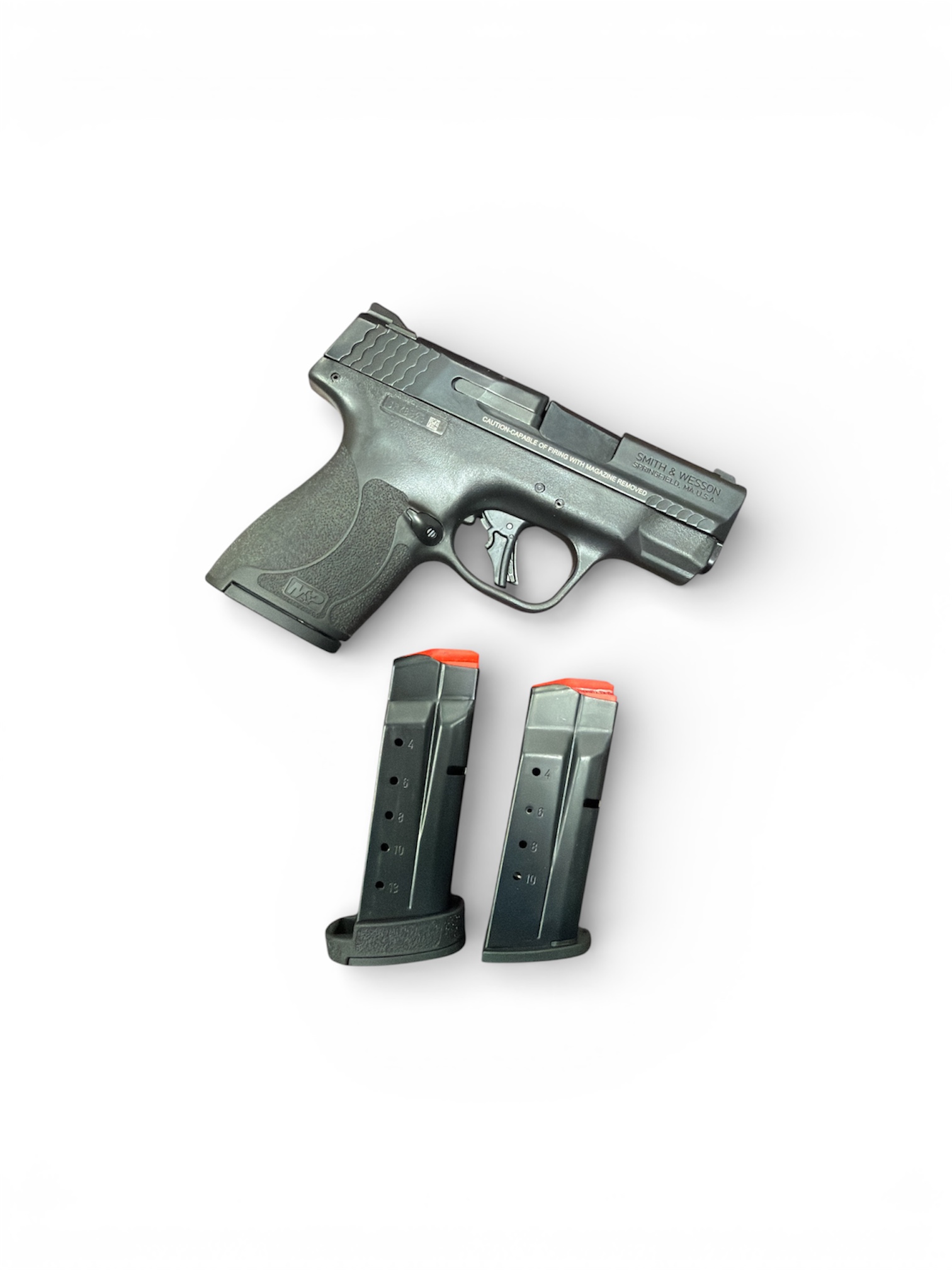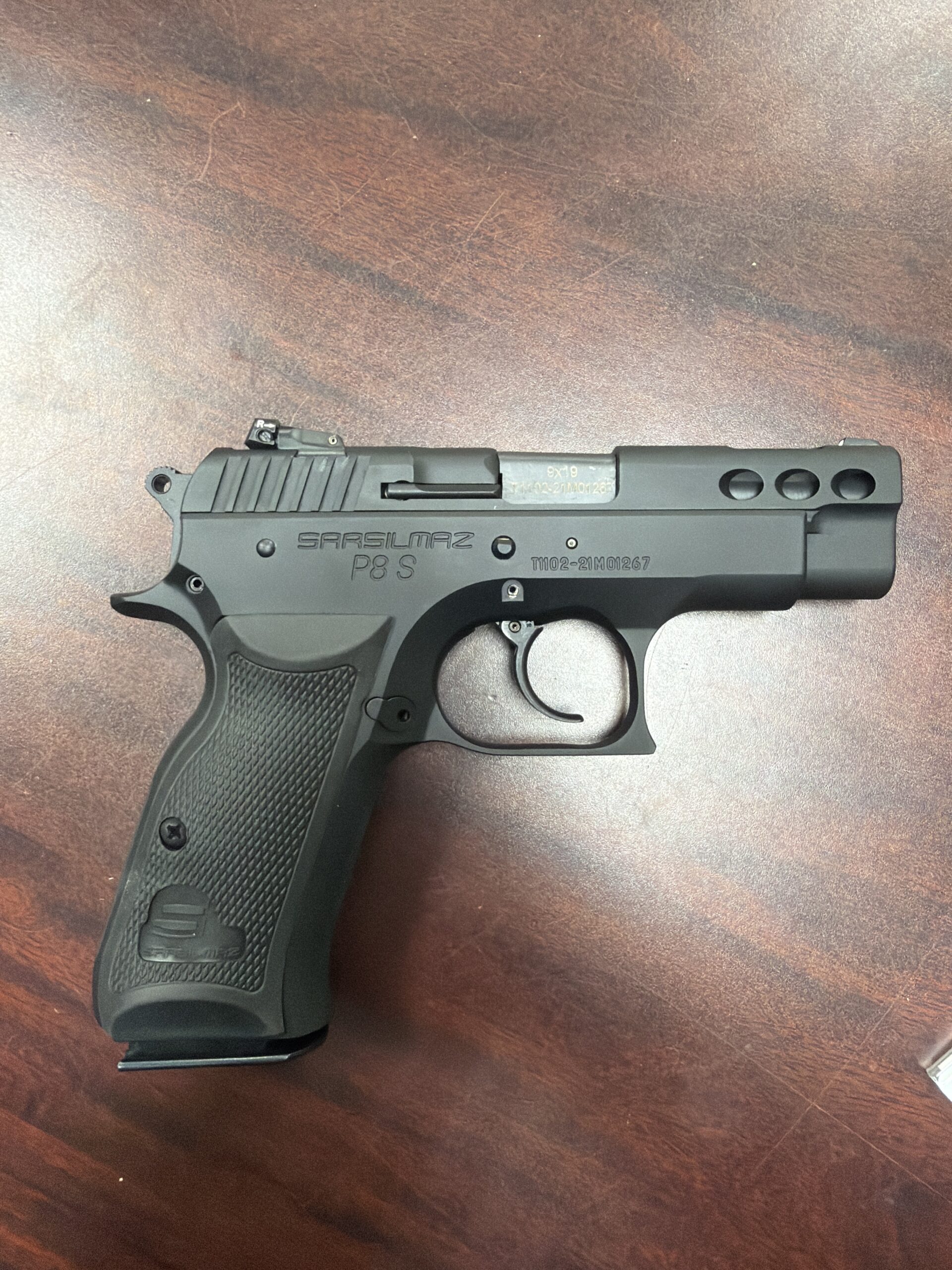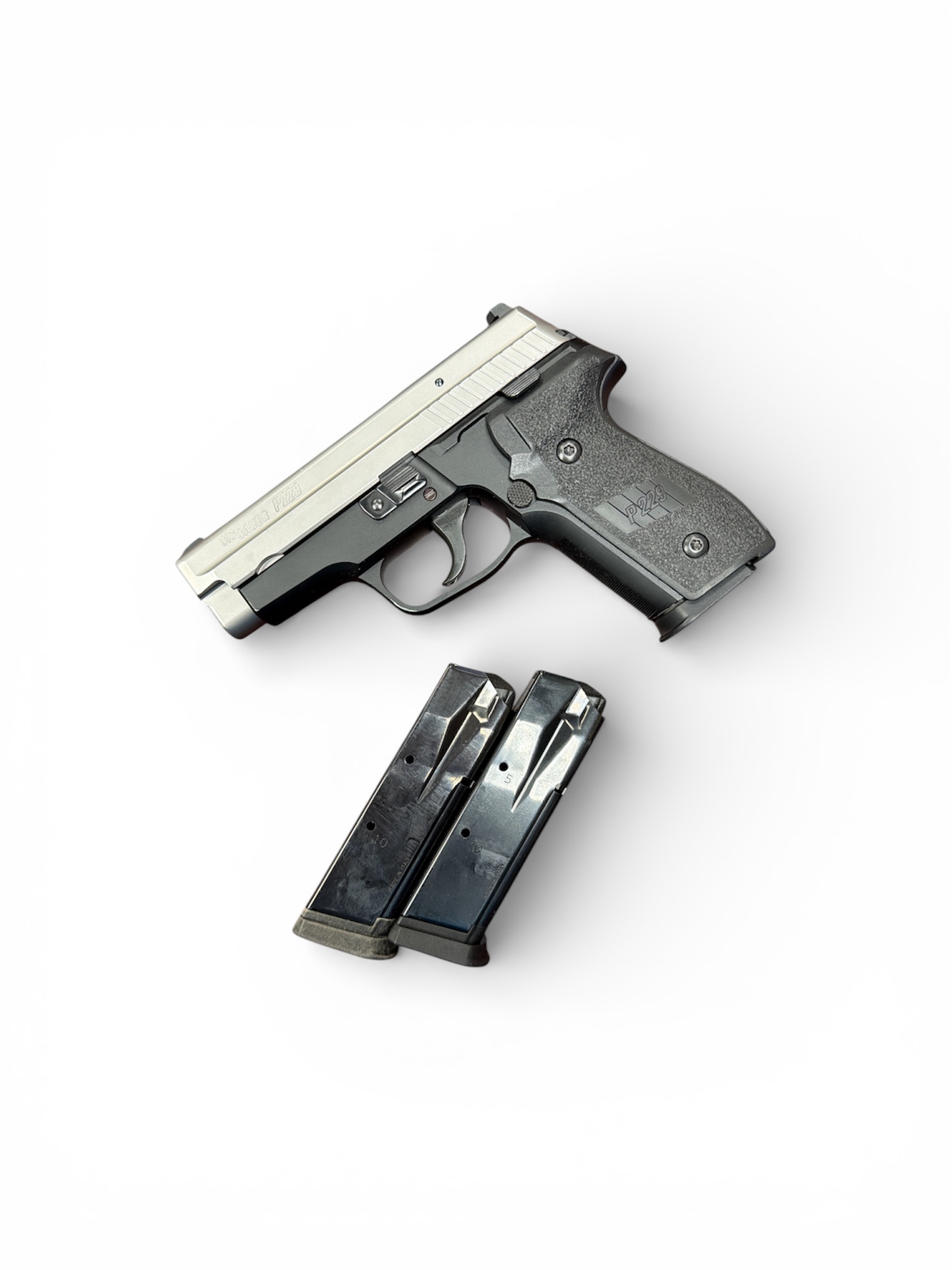
Used 229 in 357sig, 3 mags
Author: [email protected]
-
How to Buy Used Guns in Ohio: Top Tips and Store Picks
Handing down a favorite hunting rifle or discovering a rare collectible in a local shop forms lasting memories for Ohio’s firearm owners. Yet, when it comes time to buy a used gun, many are left wondering how to ensure a safe, legal, and worthwhile purchase.
The search for a quality used firearm can feel overwhelming, with questions about condition, value, and where to trust your business. People in Amherst and across Lorain County want a reliable local resource, not just an online listing. Navigating state laws, assessing authenticity, and working with a licensed dealer all take patience and attention—there’s more to the process than simply spotting a great price.
By connecting with a trusted hometown expert like Amherst Arms, LLC at 1927 Cooper Foster Park Rd, Suite B, you’ll gain insight that helps protect your investment and peace of mind. From understanding what to look for in pre-owned guns to learning the basics of safe transactions, these insights prepare you for a confident and informed purchase, all while respecting Ohio’s regulations and your time.
In a world where trust is as valuable as firepower, Amherst Arms, LLC stands as Amherst’s hometown haven—proving that buying and selling used firearms can be personal, professional, and principled all at once.
1. Understand Ohio Laws for Buying Used Firearms
Purchasing a used firearm in Ohio involves several important legal requirements that every buyer should understand before completing a transaction. Whether you are a seasoned collector, a first-time gun owner, or a local hunting enthusiast, having a clear grasp of Ohio state regulations can help you avoid legal issues and enjoy a safe, responsible firearm ownership experience.
If you’re looking for a trusted source to purchase or sell used firearms in the Amherst area, Amherst Arms, LLC at 1927 Cooper Foster Park Rd, Suite B, Amherst, OH 44001 is a licensed FFL dealer offering expert guidance and a wide selection of quality pre-owned firearms.
Know Age and Eligibility Requirements for Buyers
Understanding who can legally purchase a used firearm in Ohio is a crucial first step. According to Ohio law, you must be at least 18 years old to buy a rifle or shotgun, and at least 21 to purchase a handgun from a licensed dealer. This requirement is in line with federal regulations as well.
For example, Amherst Arms, LLC strictly enforces these age rules and will request valid government-issued identification before proceeding with any sale. If a 19-year-old walks in to buy a used Glock 19 handgun, they will be informed they need to wait until they are 21—ensuring compliance and safety for the entire community.
Understand Background Check Processes
Every purchase from an FFL dealer like Amherst Arms, LLC requires a background check, regardless of whether the firearm is new or used. Ohio uses the federal National Instant Criminal Background Check System (NICS) for this process, which helps prevent sales to prohibited individuals such as felons or those with certain mental health adjudications.
If your background check is delayed or denied, Amherst Arms, LLC staff are trained to guide customers on the next steps, whether it’s providing additional documentation or understanding appeal rights.
Learn About Private Sales vs. Dealer Purchases
Ohio law allows private sales of firearms between residents without mandating background checks, except when dealing with prohibited persons. However, purchasing from a licensed FFL dealer like Amherst Arms, LLC provides an added layer of safety and record-keeping, which is especially valuable for first-time buyers or those looking to document ownership.
For example, if you sell a used Remington 870 shotgun to a neighbor privately, there’s no record unless you complete a bill of sale for your records. Buying the same firearm at Amherst Arms, LLC ensures all proper checks and paperwork are completed.
Review Ohio-Specific Firearm Ownership Regulations
Ohio has specific rules regarding firearm ownership that buyers should be aware of. There is no mandatory firearm registration in Ohio, but laws prohibit ownership for individuals convicted of certain crimes or those under active protection orders.
In 2021, Ohio reported over 11,000 denied firearm transfers due to failed background checks, highlighting the importance of understanding and complying with these laws. Amherst Arms, LLC staff regularly assist customers in clarifying eligibility, ensuring each transaction aligns with state guidelines and protecting customers from inadvertent legal violations.
2. Research and Choose the Best Ohio Gun Stores
2. Research and Choose the Best Ohio Gun Stores Selecting a reputable gun store in Ohio is a vital first step for both new buyers and seasoned collectors. With numerous options available, understanding how to distinguish trustworthy dealers and quality used firearms can help buyers avoid headaches and ensure confidence in their purchases. Local FFL (Federal Firearms License) dealers often provide the necessary legal compliance, expert guidance, and transparency crucial for responsible gun ownership.
Shoppers should also consider community reputation, variety of inventory, and access to knowledgeable staff for a positive buying experience. Taking time to compare different stores and their offerings will help you make informed decisions and potentially find unique or rare firearm options.
Look for Licensed Ohio Gun Stores and FFL Dealers
Always prioritize shopping with FFL-licensed gun stores in Ohio. These dealers are authorized under federal law to buy, sell, and transfer firearms, ensuring that every transaction follows stringent background check protocols.
For instance, Amherst Arms, LLC at 1927 Cooper Foster Park Rd, Suite B, Amherst, OH 44001, operates as a fully licensed FFL dealer. Choosing a licensed location like this not only ensures compliance with state and federal regulations, but also provides peace of mind that staff are knowledgeable about both legal requirements and firearm safety best practices.
Compare Reputations and Customer Reviews (e.g., Yelp, Google)
Before visiting a store or making a purchase, review its reputation using platforms like Google and Yelp. Online reviews often reveal how a business handles customer service issues, whether inventory matches descriptions, and if the staff are approachable and informed.
For example, stores with consistently high ratings and positive comments about their transparency and service—such as rapid background checks, honest trade-in assessments, or no-pressure sales—tend to result in more satisfied customers. Checking independent reviews can uncover patterns that might not be immediately obvious from a store’s website or advertising.
Evaluate Store Inventory for Used Firearms in Ohio
Not all Ohio gun stores are equal in the quality or selection of their used firearms. A well-regarded store will offer a variety of makes and models, and will transparently present the condition and history of each firearm. This is critical for buyers hoping to invest in a reliable piece or hard-to-find model.
Some stores, such as those highlighted in the Guide to Top Gun Stores in Ohio, provide practical tips for examining used firearms, including checking serial numbers, inspecting visible wear, and asking for maintenance records if available. Such transparency builds customer trust and helps prevent common mistakes, like purchasing a firearm with hidden defects or uncertain legal status.
Highlight: Amherst Arms, LLC—1927 Cooper Foster Park Rd, Suite B, Amherst, OH 44001
Amherst Arms, LLC stands out for its commitment to knowledgeable, community-oriented service. Known in Amherst and surrounding areas as a hometown expert, the store carries a curated selection of quality used firearms and offers straightforward guidance to both buyers and sellers. As an established, local FFL dealer, Amherst Arms helps customers navigate state law requirements and provides appraisals for those looking to sell or trade their firearms.
In summary, working with a trusted business like Amherst Arms, LLC not only offers access to diligently inspected inventory but also a personalized experience grounded in integrity and expertise—key qualities that set the best Ohio gun stores apart from the rest.
3. Examine the Condition and Value of Used Guns
Assessing the quality and value of a used firearm is critical—both for safety and financial reasons. At Amherst Arms, LLC, the goal is to equip buyers and sellers with the knowledge they need to make smart decisions. Used firearms, unlike brand-new models, can vary greatly in condition, price, and performance depending on their history and care. Here’s how you can navigate that process during your next visit to Amherst Arms at 1927 Cooper Foster Park Rd, Suite B, Amherst, OH 44001.
Check for Signs of Excessive Wear or Damage
An initial visual inspection should focus on major areas of concern. Look for worn finishes, pitting, and rust, especially around the barrel, frame, and trigger assembly. Dents or deep scratches can indicate rough handling or potential underlying issues.
For example, a 50-year-old Smith & Wesson Model 10 revolver—if well maintained—will have its original bluing and crisp markings still visible. Excessive holster wear or evidence of refinishing, however, could lower its value and might hide past problems. Bring along a bore light to examine barrel rifling; cloudiness or significant leading are red flags.
Assess Mechanical Function and Overall Safety
Beyond outward appearance, ensure the firearm functions properly. Safely cycle the action, test the trigger (ensure it’s unloaded first), and check for sticky or inconsistent movement. Malfunctions, such as light primer strikes or a misaligned cylinder, can indicate deeper mechanical issues.
A semi-automatic used Glock 19, for example, should have a smooth slide, and its safety features should engage without fail. At Amherst Arms, staff routinely conduct safety checks before inventory hits the shelves, following guidelines similar to those found in the National Shooting Sports Foundation’s used gun assessment protocols.
Identify Original Parts vs. Modifications
Originality affects both value and collectability. Genuine parts and correct serial number pairings are desirable, especially for vintage firearms. Modified guns, like an AR-15 with an aftermarket trigger or custom Cerakote finish, may appeal to some but often decrease resale value if not professionally installed or if original parts are missing.
Online tools and forums, such as Colt’s online serial number lookup for classic 1911 pistols, can help distinguish replacement grips or barrels. Always ask for provenance or documentation when considering a high-end collectible, such as a pre-1964 Winchester Model 70.
Determine Fair Market Value Before You Buy
Pricing a used gun fairly requires reference to recent sales data and current market demand. Tools like the Blue Book of Gun Values and GunBroker.com’s completed listings can provide real-time benchmarks. For instance, the average sale price of a Ruger 10/22 in ‘excellent’ used condition is around $200–$250 as of 2023.
The team at Amherst Arms, LLC helps buyers and sellers by providing honest, up-to-date appraisals based on both book values and their experience in the local market. When unsure about a firearm’s true worth, consult a reputable dealer like Amherst Arms to get a transparent assessment and paperwork for every transaction.
Reference: What’s my gun worth? How to research firearms values
4. Verify Documentation and Legal Compliance
Before completing a used firearm purchase in Ohio, it’s crucial to confirm all legal documentation is in order. Proper compliance helps protect both buyers and sellers, ensuring firearms are bought and sold responsibly. Trusted dealers like Amherst Arms, LLC, located at 1927 Cooper Foster Park Rd, Suite B, Amherst, OH 44001, set a high standard for customer guidance and meticulous legal procedures.
Ensure Serial Number Visibility and Verification
For any used firearm transaction, the serial number must be clearly visible and correspond with all associated paperwork. A worn or altered serial number can signal potential legal issues or past misuse.
At reputable Ohio stores such as Amherst Arms, LLC, staff will inspect each firearm’s serial number in your presence. For example, gun shops often use a process where both the seller and a staff member visually verify the serial on a Smith & Wesson M&P 9mm before sale is approved. Attempting to purchase a gun without a legible serial number increases legal risk and may result in confiscation.
Request Proof of Prior Ownership and Legal Transfer
It’s essential to document the chain of custody for any used firearm you intend to buy. Obtaining a bill of sale or transfer form signed by the previous owner helps prove legal acquisition and proper ownership transfer.
Dealers like Amherst Arms, LLC guide buyers through these steps—producing ATF Form 4473 and Retail Firearm Sales/Receipt documentation, then retaining copies for compliance. These forms not only deter illegal sales but also protect buyers in cases where firearm provenance is questioned, as seen in several Ohio investigations.
Understand Required Paperwork for Buying Used Guns in Ohio
In Ohio, while private party sales of certain firearms can occur without background checks, purchases from a Federal Firearms License (FFL) dealer require strict adherence to federal and state documentation rules. Understanding these requirements prevents delays and legal trouble.
For instance, when buying from a local FFL dealer like Amherst Arms, buyers must complete a background check using the National Instant Criminal Background Check System (NICS) and sign the necessary forms. According to the Complete Guide to Gun Stores in Ohio, knowledgeable staff at licensed stores provide valuable clarity about which documents are required for handguns versus long guns.
Know the Steps for Safe and Compliant Transactions
Completing a legal, safe transaction isn’t automatic; it involves following precise steps that protect your investment and reputation. Start by asking the seller or dealer to review all records and conduct a background check, even for private sales when possible.
- Meet at a licensed FFL location, such as Amherst Arms, LLC.
- Visually inspect and record the firearm’s serial number.
- Fill out and sign all required federal and state paperwork.
- Request and receive a copy of the completed sales receipt and transfer documentation.
Neglecting even one step—such as failing to retain paperwork—can result in lost legal protection or challenges during future resales. For instance, a 2023 Ohio case revealed a private buyer fined $500 due to improper firearm transfer documentation.
Reference: What is proof of compliance/compliance documentation?
5. Master the Negotiation and Purchase Process
Understanding how to navigate the negotiation and purchase process is essential whether you’re hunting for a collectible revolver or a reliable hunting rifle. At reputable gun shops like Amherst Arms, LLC (1927 Cooper Foster Park Rd, Suite B, Amherst, OH 44001), successfully managing your transaction means more than finding the right firearm—it’s about building relationships, getting the best value, and securing peace of mind on your investment.
Build Rapport with Ohio Gun Shop Staff
Establishing a connection with staff in trusted local shops can influence your experience and success as a firearm buyer. At Amherst Arms, LLC, regular customers who engage respectfully with employees often hear about newly arrived firearms before they’re publicly listed. Friendly rapport may also lead to additional insights on firearm history and maintenance.
This approach pays off especially for collectors seeking rarer models; for example, some clients at Amherst Arms have received calls when unique Winchester lever-action rifles came in stock. By frequenting the shop and showing genuine interest, you position yourself as a preferred customer, which can open doors to exclusive opportunities.
Negotiate Price and Extras Based on Gun Condition
Negotiation is expected in the used firearms market, particularly when visible wear or minor mechanical flaws are present. Know the fair market value by researching models beforehand. Tools like GunBroker and Blue Book of Gun Values provide reference pricing that can ground your discussion with sellers like Amherst Arms.
If a used Remington 870 shows stock scratches or missing accessories, point them out when discussing pricing. Successful buyers often negotiate extras—like discounted ammunition or a free gun cleaning—when the deal is close. Never be afraid to politely ask for best-possible pricing, especially if paying cash or purchasing multiple items.
Ask About Warranties or Return Policies for Used Firearms
Unlike new gun purchases, used firearms may not always carry a manufacturer’s warranty. However, respected dealers like Amherst Arms, LLC clearly outline shop-specific return or exchange policies. Before finalizing your purchase, ask directly about what happens if the firearm malfunctions after you take it home.
For example, Amherst Arms offers a short-term return window for certain used firearms, giving customers a chance to test function and safety. Never assume guarantees exist—always clarify in writing and keep documentation provided by the shop.
Complete the Sale and Retain All Receipts and Documents
Completing your purchase at a licensed Ohio FFL dealer such as Amherst Arms means going through a required background check and federal paperwork. Ensure all transfer documents are properly filled out and that you receive a detailed receipt capturing serial number, price, and firearm details.
Keeping thorough records is not just best practice—it’s often required for warranty claims, insurance, or proof of legal ownership. Customers at Amherst Arms routinely report smooth follow-up support precisely because they retained all paperwork associated with their firearm purchases.
Reference: The Complete 5-Step Negotiation Process for …
6. Explore Top-Rated Used Gun Shops in Ohio
6. Explore Top-Rated Used Gun Shops in Ohio Finding the right shop is essential for firearm enthusiasts, collectors, and those looking to sell or buy used guns responsibly. Ohio is home to several reputable dealers, each offering specialized services and inventory. Knowing where to turn can make all the difference for local buyers and sellers alike.
Reliable shops not only provide access to quality used firearms but also deliver knowledgeable advice and legal guidance. Below, explore highly-rated gun shops in key Ohio locations, including a premier option that stands out for its local expertise and community connection.
Amherst Arms, LLC: Trusted Local Resource for Used Guns in Amherst, Ohio
Amherst Arms, LLC is a recognized staple in the Amherst firearm community. Located at 1927 Cooper Foster Park Rd, Suite B, Amherst, OH 44001, this licensed FFL dealer specializes in buying and selling high-quality used firearms. Customers consistently praise Amherst Arms for its transparent purchasing process and warm, expert service.
The shop’s personalized approach sets it apart: staff work directly with customers to evaluate, price, and handle all documentation for used gun transactions. As a local favorite, Amherst Arms also partners with area hunters and collectors, helping residents find rare models or responsibly sell inherited collections. Their deep roots in the Amherst area contribute to the store’s trusted reputation.
Vance Outdoors: Wide Selection and Reputable Service
In central Ohio, Vance Outdoors holds a well-earned reputation for its vast inventory of both new and used firearms. This Columbus-based retailer allows buyers to browse hundreds of makes and models, including hard-to-find used shotguns and handguns.
Vance Outdoors is also known for its knowledgeable staff and competitive trade-in program, making it an attractive stop for those seeking variety or wanting to upgrade their current collection. Its multiple locations throughout the Columbus area provide accessibility and consistent customer service.
Cleveland Armory: Buy, Sell, or Trade with Knowledgeable Staff
Cleveland Armory provides northeastern Ohio residents with a specialized venue for buying, selling, and trading used firearms. Shoppers highlight the expertise of Cleveland Armory’s staff—many of whom are firearm owners themselves—who guide both seasoned collectors and first-time sellers through every step of the process.
The store’s focus on transparency and fair market pricing has made it one of the region’s go-to destinations for used gun transactions. Regular educational events and compliance workshops further enhance its standing in the Cleveland community.
Additional Gun Shops in Columbus, Cleveland, and Beyond
Beyond these flagship dealers, Ohio boasts several other reputable gun shops. For example, Black Wing Shooting Center just north of Columbus offers both a shooting range and a carefully curated selection of used rifles and handguns, attracting sportsmen from across the state.
Similarly, Fin Feather Fur Outfitters maintains multiple locations statewide and is known for its broad inventory, price-match guarantees, and knowledgeable staff dedicated to responsible gun ownership. While not every shop in Ohio specializes solely in used guns, the best combine expertise, legal compliance, and a commitment to serving their communities.
Reference: Top 10 Best Used Gun Shop Near Columbus, Ohio
7. Tips for Responsible and Safe Gun Ownership
Responsible gun ownership is more than just following the law—it’s about preserving safety for yourself, your family, and the broader community. Whether you’re acquiring your first firearm, adding to a collection, or passing down a family heirloom, understanding best practices is essential. In Ohio, adopting these habits is especially important due to specific state laws and the active hunting and collector community.
Invest in Safe Storage Solutions
Proper firearm storage prevents unauthorized access and protects against theft or accidents. Gun safes, lockboxes, and trigger locks are widely recommended options. For example, Fort Knox and Liberty Safe manufacture robust gun safes trusted by law enforcement and responsible owners alike. Keeping firearms locked away, with ammunition stored separately, not only keeps children safe but also secures your investment from burglary; the Bureau of Justice Statistics reports over 1.5 million guns were stolen during burglaries from 2005-2010 in the U.S.
A local solution in Amherst can be found at Amherst Arms, LLC (1927 Cooper Foster Park Rd, Suite B, Amherst, OH 44001), which offers expert guidance on storage solutions tailored for home and vehicle security. Ask about their recommendations for biometric safes popular with local hunters and sport shooters.
Take a Gun Safety or Hunter Education Course
Knowledge and practice are key to handling firearms safely. Ohio’s Division of Wildlife offers hunter education courses both online and in-person, teaching crucial topics like safe handling, ethical hunting, and accident prevention. The NRA and organizations such as the Ohio Gun Owners group also provide certified safety courses, which include hands-on training and assessments.
For example, John, an Amherst resident, took the NRA Basic Pistol Shooting Course before purchasing his first firearm at Amherst Arms, LLC. He credits the course with learning how to safely store, carry, and maintain his firearm, reducing anxiety as a new owner.
Regularly Maintain and Inspect Your Firearms
Routine maintenance enhances reliability and safety, prolonging the life of your firearm. Cleaning should follow manufacturer guidelines after each use, particularly if the gun was exposed to moisture or fired at the range. Consider tools like Hoppe’s No. 9 cleaning kits, which are industry standards for safe, thorough maintenance.
Failing to inspect for wear, corrosion, or mechanical issues can result in jams or misfires. If you’re unsure, consult professionals at Amherst Arms, LLC, where staff regularly assist customers in inspecting and servicing used firearms before sale or after extended storage.
Stay Updated on Changing Ohio Gun Laws
Laws surrounding firearms can change rapidly at both the state and federal level. In the past few years, Ohio has updated regulations on concealed carry, background checks, and age requirements. The Ohio Attorney General’s website and local legal seminars are valuable information sources for staying current.
For hands-on guidance, Amherst Arms, LLC provides updates to their customers about shifts in state law, particularly affecting collectors and those buying used firearms. They can clarify compliance questions, ensuring buyers and sellers avoid unintentional violations during transactions.
Reference: A GUIDE TO RESPONSIBLE GUN OWNERSHIP, SAFE …
Conclusion
Recap: Steps to Safely Buy Used Guns in Ohio
Purchasing a used firearm in Ohio demands careful attention to legal, safety, and practical considerations. The process begins long before you walk into a store or meet a private seller. Ensuring due diligence at every stage helps safeguard your investment and your well-being.
First, research Ohio’s firearm laws and familiarize yourself with background check rules and transfer requirements. Then, inspect the gun in person for signs of excessive wear or possible tampering—details such as serial number matching and proof of regular maintenance matter. For example, checking the blueing on a Smith & Wesson revolver for rust can reveal both the firearm’s quality and how it was cared for. Lastly, always complete the sale at a reputable FFL dealer, like Amherst Arms, LLC at 1927 Cooper Foster Park Rd, Suite B, Amherst, OH 44001, ensuring paperwork and background checks are handled legally.
The Importance of Choosing Reputable Gun Shops Like Amherst Arms, LLC
Trust is crucial when buying a used firearm. Legitimate shops, such as Amherst Arms, LLC, follow strict state and federal guidelines, reducing risk and giving you peace of mind. Customers in Lorain County consistently praise Amherst Arms, LLC’s knowledgeable staff and transparent processes, citing real experiences like the successful transfer and inspection of a Winchester Model 70 for a first-time buyer in 2023.
Shops with a physical location and traceable business reputation, unlike unverified online marketplaces, provide a safety net for buyers and sellers alike. Having access to expert guidance helps avoid costly mistakes, counterfeit items, or undisclosed issues.
Legal Compliance and Responsible Ownership
Ohio law mandates all firearm sales through dealers include background checks, even for used guns. Skipping this step exposes you to legal risk. For example, in 2022, the Ohio Attorney General’s office reported several cases where private exchanges without proper documentation resulted in firearm confiscation and fines.
Beyond compliance, responsible ownership means securing your firearm, knowing local storage regulations, and regularly renewing your knowledge of safety practices. These habits protect your household and community.
Personal Safety and Community Responsibility
Owning a firearm extends beyond the transaction: it carries a duty to prioritize safety and foster trust in your local community. Safe storage—like using a Liberty Safe or a trigger lock—prevents accidental access, particularly in homes with children.
Firearm owners in Amherst frequently participate in local gun safety workshops, many hosted through reputable dealers like Amherst Arms, LLC. Engaging in community events and education demonstrates a commitment not only to personal safety but also to the well-being of Amherst and the wider Ohio community.
Frequently Asked Questions
Understanding the legal and practical aspects of buying or selling used firearms in Ohio can feel overwhelming. Whether you’re a first-time buyer considering a pre-owned firearm for value or a collector searching for a specific model, it’s important to know the rules and best practices. Below are the most common questions answered with real-world examples and actionable steps, featuring Amherst Arms, LLC—a licensed local dealer known for their expertise and trusted service in Amherst, Ohio.
How do I know if I’m eligible to buy used guns in Ohio?
Ohio has specific eligibility requirements for firearm purchases. Generally, you must be at least 18 to buy a long gun and 21 for a handgun, with no disqualifying criminal background or legal restrictions.
An example: A 22-year-old with a clean record visiting Amherst Arms, LLC at 1927 Cooper Foster Park Rd, Suite B, Amherst, OH 44001 would typically be eligible for both handguns and rifles. However, anyone convicted of a felony, domestic violence, or under a court protection order cannot lawfully purchase firearms. Double-check your eligibility using the ATF’s guidelines before shopping.
Why should I choose a licensed Ohio gun store over a private seller?
Buying from a licensed dealer like Amherst Arms, LLC ensures legal compliance and buyer protection. FFL (Federal Firearms License) dealers run required background checks and provide receipts for every transaction.
For example, a customer in Amherst purchasing a used Smith & Wesson M&P 15 from Amherst Arms, LLC receives professional inspection and documentation. In contrast, a private sale on websites like Armslist may not require paperwork, increasing the risk of unknowingly purchasing a stolen or defective firearm.
When do I need a background check to purchase a used firearm?
Purchasing a used gun from a licensed dealer, like Amherst Arms, LLC, always requires a background check through the FBI’s NICS system. Private sales between Ohio residents typically don’t require checks, except for handguns in some cities.
For example, in Cuyahoga County, some local ordinances add requirements for handgun sales. Always check with your local law enforcement or a trusted dealer to clarify.
How do I confirm the condition and authenticity of a used gun?
Inspecting a used firearm for wear, modifications, or authenticity is crucial. At Amherst Arms, LLC, guns are examined for proper function, serial number integrity, and signs of tampering before they reach the sales floor.
If buying privately, bring along a qualified gunsmith or seek professional evaluation. Reputable stores often use bore scopes, gauges, and provenance research. Major brands like Ruger or Beretta can sometimes verify historical models through factory records.
Where can I find the best used firearms in Ohio?
Local, specialized gun stores are your best bet for quality and variety. Amherst Arms, LLC is a popular choice for enthusiasts and hunters in Lorain County, offering a rotating inventory of reputable brands and rare finds at competitive prices. Many customers cite their experience and honesty as key reasons for repeated business.
Other sources include gun shows, estate sales, or auctions, but these typically lack the warranty and guarantees offered by stores like Amherst Arms, LLC.
What should I do if I want to sell my used gun in Ohio?
Selling a firearm requires verifying the buyer’s eligibility and documenting the transfer for your records. Many sellers in Amherst rely on Amherst Arms, LLC to broker sales or provide trade-in values, simplifying compliance and ensuring legal transfer.
If selling directly, be sure to get a bill of sale and check IDs. Licensed dealers can handle the entire process, from valuation to paperwork, which protects both parties and often results in a smoother transaction.
-
How to Find the Best Gun Store Near You: A Complete Buyer’s Guide
Finding the Right Gun Store: Your Journey Begins Here
Buying a gun is more than just a transaction; it’s an experience. I remember my first time stepping into a gun store. It was a mix of excitement and nerves; the walls adorned with options galore, and the faint smell of gun oil in the air. If you’ve felt something similar, then this guide is for you. Let’s navigate the path to finding the best gun store that suits your needs.
Step 1: Understanding Your Needs
Determine the Purpose of Your Purchase
Before you even think “gun stores near me,” it’s crucial to clarify why you’re buying a gun. Is it for self-defense, hunting, sport shooting, or perhaps collecting? Each purpose might lead you to different stores that specialize in particular firearm categories.
- Self-Defense Needs: You’ll want a store known for knowledgeable staff who can discuss options like handguns or shotguns suited for protection.
- Hunting Enthusiasts: Seek out stores that boast a range of rifles and hunting gear.
- Sport Shooting: Find places that offer a variety of ammo and target practice supplies.
- Collectors: Look for stores that stock unique or vintage firearms.
Assess Your Budget
Guns can range from a few hundred to several thousand dollars. Understanding your budget will help in narrowing down your options. Stores often carry limited high-end items or focus on affordable options — knowing your budget will direct your path.
Step 2: Research and Reviews: The Power of the Internet
Utilize Online Reviews
Ah, the internet — where everyone has an opinion, and they’re all eager to share! Websites like Google, Yelp, and specialized forums like GunBroker or AR15.com can offer insights from other buyers’ experiences.
- Pros and Cons: Read reviews, but take them with a grain of salt. Look for common threads in feedback.
- Store Response: Notice how stores interact with feedback. Do they address concerns promptly?
Check Out Forums and Communities
Diving into gun enthusiast communities online can provide invaluable advice. People love sharing their favorite local spots, often detailing why they’re worth the visit. Plus, you might get the inside scoop on store-specific events or promotions.
Step 3: The In-Person Experience
Visit Potential Stores
There’s nothing like walking into a store to get a feel for the ambiance. Notice how you’re greeted and how helpful the staff is.
- Customer Service: A good store will have friendly, knowledgeable staff. They should make you feel comfortable, not pressured.
- Inventory Check: Wander around. Does the store have a diverse selection? Are items neatly organized?
Ask Questions
Don’t hesitate to ask questions. A great sales person enjoys talking shop and helping you understand different options.
- Product Knowledge: Raise inquiries about different models, the history of certain firearms, or even advice on maintenance.
- Trial and Testing: Some stores might offer ranges to test out models. This can be a game-changer in your decision-making.
Step 4: Understand Local Laws and Regulations
Know Your Requirements
Different states have different laws regarding firearms. Familiarizing yourself with these is crucial. Legal jargon can be a snooze-fest, but it’s necessary to ensure you’re compliant.
- Licensing Needed: Find out if a license or permit is required beforehand.
- Background Checks: Plan for any necessary background checks and possible waiting periods.
Store Policy Familiarization
Aside from state laws, stores might have their own policies on returns, exchanges, or layaway plans. Make sure you understand these before making a purchase.
Step 5: Trust and Open Communication
Building a Relationship
Once you’ve found a place you like, build a rapport. A familiar face can often lead to better service and occasional perks.
- Join Loyalty Programs: Some stores offer discounts or points for repeated purchases.
- Attend Events: Many stores host workshops or seminars. They’re a great way to learn and meet other enthusiasts.
Conclusion: Start Your Search!
Exploring the world of gun stores can sound daunting, but with the right approach, it’s more of an adventure than a chore. Whether you’re a first-time buyer or a seasoned collector, the perfect store for your needs is out there.
So, what are you waiting for? Now it’s your turn to hit “search” on “places that sell guns near me” and embark on your journey armed with these tips. Which of these steps excites you the most?
Further Reads
For those curious to dive deeper, you might find these reads intriguing:
Bought one online? Have it shipped to us for a our $30 FFL transfer.
-
Best PSA Dagger Accessories for 2025 Shooters
The PSA Dagger has become one of the most popular budget-friendly 9mm pistols on the market. With its Glock 19 compatible design, shooters can access a vast ecosystem of aftermarket parts and accessories to customize their firearm. Whether you’re looking to improve accuracy, enhance ergonomics, or add essential carry features, there are countless options available for your Palmetto State Armory Dagger.In this comprehensive guide, we’ll explore the best PSA Dagger accessories for 2025, covering everything from triggers to optics to holsters. These upgrades will help you get the most out of your pistol while maintaining reliability.## Top 10 PSA Dagger Accessories### 1. Apex Tactical Action Enhancement TriggerThe factory trigger on the PSA Dagger is serviceable, but the Apex Tactical trigger transforms the shooting experience. This drop-in upgrade reduces trigger pull weight to approximately 4.5 pounds and eliminates the mushy feel common in polymer striker-fired pistols.**Key Features:**- Reduced pre-travel and over-travel- Crisp, clean break- Direct drop-in installation- Compatible with all Dagger models### 2. Holosun HS507C X2 Red Dot SightFor shooters looking to add an optic, the Holosun HS507C X2 offers exceptional value. The PSA Dagger’s optic-ready slide accepts this popular red dot with ease, providing fast target acquisition and improved accuracy.**Key Features:**- Multiple reticle options (circle dot, dot only)- Solar failsafe with 50,000-hour battery life- Shake awake technology- IP67 water resistance### 3. Tulster Oath IWB HolsterA quality holster is essential for concealed carry. The Tulster Oath provides excellent retention, comfort, and adjustability for PSA Dagger owners who carry daily.**Key Features:**- Adjustable retention and cant- Sweat guard protection- Multiple clip options- Tuckable design for deep concealment### 4. Apex Extended Magazine ReleaseThe factory magazine release can be difficult to reach for shooters with smaller hands. The Apex Extended Magazine Release solves this problem with a larger, textured button that’s easier to activate.**Key Features:**- Extended reach for faster reloads- Aggressive texturing for positive engagement- Drop-in installation- Reversible for left-handed shooters### 5. Streamlight TLR-7 Sub Weapon LightAdding a weapon-mounted light to your PSA Dagger enhances home defense capability and target identification in low-light conditions. The Streamlight TLR-7 Sub is compact yet powerful.**Key Features:**- 500 lumens of output- 1.5-hour runtime- Ambidextrous switch- Rail-mounted design### 6. AmeriGlo Spartan Operator Night SightsWhile many shooters add red dots, quality iron sights remain important as backup or primary sighting systems. AmeriGlo Spartan Operator sights provide excellent visibility day or night.**Key Features:**- Tritium front sight- Black serrated rear sight- High-visibility orange front ring- Durable steel construction### 7. Tyrant CNC Extended Slide ReleaseThe factory slide release can be stiff on new PSA Daggers. An extended slide release makes it easier to lock the slide back and release it during reloads.**Key Features:**- Extended lever for easier manipulation- CNC machined from aluminum- Multiple color options- Direct drop-in installation### 8. Trijicon RMR Type 2 (Premium Option)For shooters who want the absolute best red dot optic, the Trijicon RMR Type 2 is the gold standard. Its rugged construction has been proven in military and law enforcement applications.**Key Features:**- Military-grade durability- True-color multi-coated lens- Long battery life (4+ years)- Multiple brightness settings### 9. Magpul GL9 PMAG 15-Round MagazineHaving extra magazines is essential for range sessions and defensive preparedness. Magpul magazines offer reliable feeding at an affordable price.**Key Features:**- 15-round capacity- Visible round count windows- Easy disassembly for cleaning- Drop-free design### 10. Overwatch Precision TAC TriggerAnother excellent trigger option, the Overwatch Precision TAC trigger provides a different feel than the Apex with its flat-faced design preferred by many competitive shooters.**Key Features:**- Flat-faced trigger shoe- Reduced trigger pull weight- Positive reset- Lifetime warranty## How to Choose the Right AccessoriesWhen selecting PSA Dagger upgrades, consider these factors:**Purpose:** Are you building a range gun, carry pistol, or home defense weapon? Each role may require different accessories.**Budget:** Start with the most impactful upgrades first. A quality holster and sights typically provide the most value for carry guns.**Compatibility:** Always verify Glock 19 Gen 3 compatibility when shopping for parts. Most aftermarket accessories designed for the G19 will fit the Dagger.**Training:** New sights, triggers, or other controls may require practice to use effectively. Budget time for training with any new accessories.## Frequently Asked Questions**Q: Are Glock 19 accessories compatible with the PSA Dagger?**A: Yes, the PSA Dagger is designed to accept most Glock 19 Gen 3 compatible parts and accessories.**Q: What’s the best first upgrade for a PSA Dagger?**A: Most shooters benefit most from quality sights or an upgraded trigger as their first modification.**Q: Can I install these accessories myself?**A: Most accessories listed here are drop-in and require minimal tools. However, sight installation may require a sight pusher tool or professional installation.**Q: Will upgrades void my PSA warranty?**A: Check with Palmetto State Armory directly, but most cosmetic and drop-in upgrades don’t affect warranty coverage.## ConclusionThe PSA Dagger offers an excellent platform for customization without breaking the bank. Whether you’re enhancing your daily carry setup or building the ultimate range toy, these accessories will help you maximize your pistol’s potential. Start with the upgrades that match your intended use, and enjoy transforming your Dagger into a truly personalized firearm.
-

PSA Dagger Micro 9mm 15 Round Magazine Guide
Imagine confidently carrying your PSA Dagger Micro, knowing you have extra rounds at the ready without compromising the compact feel you trust for concealed carry. Many compact firearm owners reach a crossroads: balancing firepower with reliable, easy-to-carry options isn’t as simple as picking the first magazine that fits.
Whether you’re considering a magazine upgrade for your Dagger Micro or questioning if your Glock 43 magazines can interchange, understanding compatibility, care, and accessories is key. With insights from Amherst Arms, your local resource for quality used firearms, this article demystifies magazine choices, maintenance habits, and practical tips. All it takes is a few minutes to make confident decisions about your next range day or EDC setup—and to keep your carry experience smooth and worry-free.
In a world overflowing with options, the right magazine does more than load rounds—it loads confidence; trust your hometown experts at Amherst Arms, and discover why the details behind your PSA Dagger Micro 9mm matter more than ever.
Reference:
PSA Dagger Micro 9mm 15 Round Magazine With …
1. Understanding the PSA Dagger Micro 9mm 15 Round Magazine
What sets the PSA Dagger Micro magazine apart?
The PSA Dagger Micro 9mm 15 Round Magazine stands out in the crowded micro-compact market by offering an impressive balance of high capacity and easy concealment. Unlike many micro-compact pistol magazines such as those for the SIG Sauer P365 or the Springfield Hellcat, which typically max out at 10 to 13 rounds, the Dagger Micro boosts firepower without making the grip unwieldy or overly bulky for concealed carry.
Palmetto State Armory engineered this magazine specifically for their Micro Dagger pistol line. The design ensures an optimal fit and feed, avoiding issues that sometimes arise with aftermarket or universal-fit magazines. One notable distinction is the dedicated compatibility with PSA’s own pistols, as well as backward compatibility with Glock 43-pattern magazines, offering users wider flexibility when choosing carry options.
Key specifications and dimensions
Choosing the right magazine means understanding its physical and performance characteristics. The PSA Dagger Micro magazine measures approximately 4.6 inches in overall length, with a width of about 0.9 inches and a height tailored to fit flush with the Micro Dagger grip.
Constructed from high-strength steel with a corrosion-resistant finish, these magazines use a polymer follower for smooth, reliable feeding. Capacity is set at 15 rounds, which is exceptional for a micro-compact. When empty, it weighs roughly 2.5 ounces, and when loaded it rises to just under 8 ounces with standard 124-grain 9mm rounds. PSA’s attention to double-stack magazine engineering helps achieve this capacity without excessive girth.
Benefits of 15 round capacity in a micro-compact
The jump to 15 rounds in a micro-compact magazine, like the one offered for the PSA Dagger Micro, provides clear, tangible advantages for self-defense and everyday carry (EDC). More rounds mean a reduced need for reloads, particularly in situations where every second counts. For example, law enforcement analysis suggests most defensive encounters involve firing fewer than five rounds, but there are documented incidents, such as the 2015 Garland, Texas event, where higher capacity proved reassuring for those involved.
Having 15 rounds at your disposal can offer a strategic advantage in high-stress scenarios, where fine-motor skills deteriorate and magazine changes become riskier. Compared to pistols using single-stack Glock 43 magazines (which typically hold six rounds), the Dagger Micro’s double-stack design is especially valued by those seeking greater peace of mind.
Designed for the PSA Micro Dagger: Purpose & intent
The PSA Dagger Micro magazine is purpose-built for seamless use in the Micro Dagger pistol series. These pistols are designed for concealed carriers who expect reliability with every trigger pull. PSA’s meticulous approach ensures that the magazine locks in securely, feeds consistently, and is easy to swap during reloads.
While the magazine’s double-stack geometry is specifically tailored for the PSA Micro Dagger, its compatibility extends to Glock 43 models with magazine extension kits, offering a practical solution for owners utilizing both platforms. For gun shops like Amherst Arms, LLC, these design features mean the ability to recommend the Dagger Micro magazine as a trustworthy, versatile option for both new and experienced shooters focused on EDC concealability and capacity.
2. PSA Dagger Magazine Compatibility: Glock 43 and Beyond
2. PSA Dagger Magazine Compatibility: Glock 43 and Beyond Glock 43 Magazine Compatibility Explained
The question of compatibility between PSA Dagger Micro magazines and Glock 43 platforms is a common one among handgun enthusiasts. The PSA Dagger Micro 9mm 15-Round Magazine is engineered specifically for the Micro Dagger and offers a significant capacity increase over the standard Glock 43 magazine, which holds just 6 rounds.
These PSA Dagger Micro magazines are sized to fit Glock 43-compatible pistols, making them a practical upgrade for shooters seeking more capacity. However, it’s vital to note that the PSA Dagger Micro magazine is not interchangeable with Dagger Compact or Full Size – S frames, a key difference that can affect fit and function. When mixing magazines across platforms, always test fitment at the range and watch for feeding issues or improper magazine lockup.
Cross-Compatibility With Other Models and Platforms
Other than the Micro Dagger and Glock 43, compatibility with additional handguns depends mainly on the magazine well tolerances and mag catch geometry. For instance, the Shadow Systems CR920, which advertises Glock 43 magazine compatibility, should accept PSA Dagger Micro magazines, although individual fit may vary.
Some after-market frames, like the Polymer80 PF9SS, use Glock 43 pattern magazines, but minor fitting may be needed. Always check for reliable lockup and feeding, particularly with custom or 80% builds. Remember that proprietary frame rails or slightly different magwell dimensions can require sanding or slight modification to ensure proper seating and ejection.
Installation Tips and Fitment Troubleshooting
Installing a PSA Dagger Micro or Glock 43 magazine into a compatible pistol generally follows a straightforward process. Firmly insert the magazine until you hear or feel an audible “click.” Some shooters find a slight palm tap ensures lock-in, especially with new magazines that haven’t been broken in.
Signs of improper fit include excessive wobble, failure to lock the slide open on the last round, or difficulty inserting/ejecting the magazine. If you encounter any of these, inspect for burrs along the mag body or frame, and verify the mag catch is engaging the magazine correctly. Light sanding or swapping to a compatible aftermarket mag catch can sometimes resolve these issues.
The Role of Magazine Extensions and Adapters
Extensions and adapters can make a real difference for shooters using compact pistols. Magpul’s PMAG 15 GL9 extension, for example, converts a 6-round Glock 43 magazine to 8 rounds, enhancing both capacity and grip for larger hands. Similarly, HYVE and Tyrant Designs create extensions that are popular with Glock 43 owners in competitive shooting circles.
When installing magazine extensions, pay close attention to spring orientation and baseplate fitment. An incorrectly installed extension can cause failures to feed or nose dives. Always test the magazine fully loaded at the range to ensure ongoing reliability after any capacity or grip modifications.
3. Performance and Reliability: What to Expect
Feeding Reliability Under Various Conditions
Consistent feeding is crucial for any pistol, especially when using compact models like the PSA Dagger Micro or Glock 43. Magazine reliability can vary significantly depending on the scenario—clean range conditions rarely expose weak points that everyday carry (EDC) might reveal. When testing in a controlled, clean environment, most new Glock 43-compatible magazines feed reliably. However, introducing dirt, dust, or grit can quickly show differences between brands and builds.
Ammunition also plays a part. Premium factory loads like Federal HST or Speer Gold Dot are less likely to expose feeding issues than budget bulk reloads. Rapid fire cycles often place more stress on magazine springs and followers compared to slow, methodical shooting. During a recent stress test, shooters noted that PSA Dagger Micro magazines using standard 9mm FMJ performed without issue even after 300 rounds fired rapidly, indicating strong reliability under pressure. Conversely, some aftermarket magazines began experiencing failures to feed after similar round counts in dirty conditions.
Construction Materials and Durability
The materials used in a magazine’s body, follower, and spring have a direct impact on its longevity and function. Steel-bodied magazines, such as factory Glock 43 mags, are known for their toughness and resistance to deformation, while polymer-bodied options tend to be lighter but may be more vulnerable to cracking under impact if dropped on hard surfaces.
Spring life is another crucial factor for long-term reliability. High-quality springs made from music wire or stainless steel, found in OEM Glock and PSA-branded magazines, typically last thousands of cycles before showing signs of fatigue. Environmental durability is key for those in humid or extreme climates—a stainless steel spring resists corrosion better than standard steel. In a 2023 independent evaluation, Glock 43 OEM magazines exposed to sub-zero temperatures continued to function without cracking, while one budget polymer competitor failed after multiple freeze-thaw cycles.
Magazine Break-in Periods and Real-World Testing
Firearms professionals often recommend magazine break-in periods before trusting new mags for EDC. The common guidance is to run at least 200-300 rounds through each Glock 43-compatible or PSA Dagger Micro magazine to ensure consistent function. This break-in allows springs and followers to seat properly, revealing any hidden issues early.
Initial testing can be as straightforward as loading the magazine to capacity, shooting to empty, and repeating this process at the range. Many customers at Amherst Arms, LLC report that careful initial testing early on identifies rare seating or feeding quirks, ultimately leading to greater confidence in their EDC setup. Online forums and range feedback frequently highlight that issues that arise in the first 100 rounds often disappear after additional cycles, confirming the importance of real-world break-in.
Common Issues and Fixes
Common magazine-related problems for the PSA Dagger Micro and Glock 43 include failures to feed, inconsistent lock-back on empty, or difficulty seating the magazine fully. In some cases, these issues are due to worn feed lips or weak springs, especially in used magazines.
Troubleshooting typically involves inspecting the feed lips for deformation, testing spring tension, and examining the follower for excess wear. For persistent feeding problems, swapping the magazine with a known-good Glock 43 OEM mag often helps isolate whether the issue lies with the firearm or the mag. As a rule of thumb, if a magazine continues to malfunction after cleaning and spring replacement, it is safer to replace it than risk EDC performance. Amherst Arms techs advise against attempting repairs on cracked polymer mag bodies; instead, they recommend replacing with new or lightly used OEM units for both reliability and peace of mind.
Reference:
Model 3 reliability past 100K miles? (Not battery, just …
4. Leading PSA Micro Dagger Accessories to Enhance Your Setup
Magazine Pouches, Carriers, and Storage Options
Efficient mag management is key for both daily carry and range sessions. PSA Dagger Micro users, especially those utilizing the Dagger Micro 9mm 15-Round Magazine, benefit from gear that is tailored to fit their firearm’s slim profile.
For concealed carry, Kydex single mag pouches from brands like Tulster or Tier 1 Concealed are engineered specifically for Glock 43 and PSA Dagger Micro compatibility, supporting both 10- and 15-round magazine options. Open carry users often gravitate toward nylon dual-mag carriers from Safariland, which provide retention and rapid access for competitions or classes. At home or in the vehicle, magnetic mag mounts (such as those from Keeper MG) secure magazines to safe doors or discrete locations, minimizing risk of misplacement and damage in transit.
Magazine Loaders and Maintenance Tools
Keeping Dagger Micro mags functional relies on reliable reloading and maintenance. Magazine loaders like the Maglula UpLULA, built for single-stack 9mm Glock 43-sized mags, minimize hand fatigue and ensure fast reloads—especially valuable during long range sessions or competitive shoots.
Dedicated cleaning kits designed for compact 9mm pistols, such as the Real Avid Gun Boss Multi-Kit, feature brushes and picks for thorough magazine and feed lip maintenance. These kits are favored by both range enthusiasts and those prioritizing reliability under concealed carry stress—data from user surveys routinely rate UpLULA at over 90% satisfaction for ease of use.
Upgrades: Base Plates, Followers, and Grip Sleeves
Aftermarket upgrades extend performance and comfort with the PSA Dagger Micro and compatible Glock 43 platform magazines. Extended base plates, such as those from HYVE Technologies or Strike Industries, offer extra capacity or improved pinky support for shooters with larger hands, making the 15-round mag easier to control.
Enhanced followers, like the Shield Arms high-visibility model, can boost feeding reliability and assist with quick chamber checks. For grip comfort, the Hogue HandALL Beavertail Grip Sleeve is a popular add-on, smoothing edges and providing secure handling regardless of shooting conditions.
Concealed Carry Accessories for the PSA Dagger Micro
Concealed carry with a PSA Dagger Micro, especially when equipped with the 15-round magazine, demands purpose-built holsters and mag carriers. Companies such as Phlster and JM Custom Kydex offer appendix-carry holsters specifically cut to accommodate the higher-capacity Dagger Micro and Glock 43x magazines without excessive printing.
Discreet magazine carriers—like those from NeoMag—allow deep-pocket or waistband carry, keeping reloads accessible yet concealed. For daily carry or travel, solutions such as the SnagMag pocket mag holster provide both rapid access and discretion, making them a top choice among seasoned concealed carriers.
Reference:
Top 9 accessories for a PSA Dagger to enhance …
5. Maintenance, Care, and Safe Handling
Cleaning and lubricating your magazine
Proper cleaning and lubrication are essential for ensuring that your magazine operates smoothly and reliably. Whether you have a PSA Dagger Micro-compatible magazine or a standard Glock 43 magazine, the process remains much the same. Dirt, carbon buildup, and moisture inside the magazine can compromise feeding reliability and shorten its lifespan.
To clean your magazine efficiently, start by unloading all ammunition and disassembling the magazine according to the manufacturer’s guidelines. For example, Glock provides detailed instructions in their manual for removing the base plate and spring assembly. Use a nylon brush and a dedicated gun cleaning solvent such as Hoppe’s No. 9 to scrub interior surfaces. Allow the parts to dry before applying a light coat of CLP (Cleaner, Lubricant, Protectant) or a specialized magazine lubricant like Lucas Oil Extreme Duty Gun Oil. Apply lubricant sparingly to avoid attracting excessive dirt.
As for cleaning frequency, inspect and service your magazines every 300-500 rounds, or after each use in harsh environments like rain or dust. Competitive shooters often clean their magazines after every match for consistent reliability.
Best practices for long-term magazine longevity
Ensuring your magazines last for years requires purposeful care habits. Magazines used in PSA Dagger Micro pistols and Glock 43 alike benefit from these practices. One effective method is rotating your magazines, especially if you maintain several for carry or competition purposes.
- Regularly swap loaded magazines in and out of rotation to prevent springs from remaining compressed for extended periods. For example, law enforcement agencies typically rotate service magazines monthly.
- Avoid over-compression of springs by never forcing extra rounds beyond the magazine’s capacity—doing so can warp the spring and follower, leading to reliability issues.
- Store magazines in a cool, dry area to protect from moisture. Silica gel packets placed in your storage container can help absorb humidity. Smith & Wesson recently recommended this approach for their M&P series magazines, as it dramatically reduces the risk of rust and corrosion.
Storing loaded vs. unloaded magazines
The decision to store magazines loaded or unloaded is often debated among firearm enthusiasts. Long-term storage with magazines fully loaded can put constant pressure on magazine springs, but recent studies, including Glock’s own endurance tests, show that high-quality springs can withstand compression for several years with little loss in performance.
Nonetheless, most manufacturers—including Glock—suggest rotating loaded magazines every 3-6 months for peace of mind. For stored unloaded magazines, there’s minimal risk of spring fatigue or follower deformation. Safety remains paramount: store loaded magazines in a secure, locked container, separate from your firearm to reduce the risk of accidental discharge.
If you compete regularly or rely on your PSA Dagger Micro or Glock 43 for personal defense, following manufacturer recommendations ensures both readiness and product longevity.
Inspection routines and handling tips
Regular inspection and careful handling are critical to safe firearm ownership and magazine reliability. Start with a visual inspection every time you reload or clean your magazine. Look for cracks, dents, or bulging—any of which can lead to feeding malfunctions.
During every loading or unloading, grip the magazine body firmly, keeping fingers away from feed lips to prevent deformation. Signs that indicate replacement is needed include repeated failures to feed or eject, mag body separation, or a spring that won’t lift cartridges smoothly. In 2022, the LAPD documented several cases where magazines with worn-out springs in off-duty Glock 43 pistols led to stoppages during qualification—highlighting the importance of timely replacement.
Reference:
Five basic rules for safe maintenance
6. How to Choose the Right PSA Dagger Magazine for You
6. How to Choose the Right PSA Dagger Magazine for You Matching magazine features to your needs (EDC, range, home defense)
Choosing a PSA Dagger magazine isn’t a one-size-fits-all decision. Different use cases—whether for everyday carry (EDC), range days, or home defense—demand distinct features to ensure reliability, comfort, and performance. For example, a compact carry magazine may prioritize concealability, while a range mag might focus on capacity for extended practice sessions.
If you use your PSA Dagger Micro as an EDC, opt for a flush-fit 6-round or 7-round Glock 43 magazine, which keeps the profile slim for easy concealment. In contrast, for home defense or range training, higher-capacity magazines such as the Shield Arms S15—capable of holding 15 rounds—can be useful, especially when rapid reloads are less of a concern. That said, increased capacity typically means a larger grip and slightly more print under cover garments, impacting carry comfort. Match your magazine’s features to the primary purpose you want it to serve to maximize both function and ease of use.
Manufacturer authenticity and aftermarket options
Not all magazines are created equal. Authentic PSA and Glock magazines are widely recognized for reliability. To identify genuine options, look for proper factory markings, such as Glock’s distinctive logo and serial numbers laser-etched near the spine. PSA Dagger Micro pistols are designed around Glock 43-pattern magazines, so compatibility with well-known brands is typically excellent.
Aftermarket magazines, such as those from Magpul or ProMag, can offer cost savings, but they may sometimes fall short in terms of consistent function. For example, some ProMag Glock 43 options have mixed user reviews regarding feeding reliability. Factory mags are generally covered by robust warranties—Smith & Wesson, for instance, offers lifetime service—unlike many aftermarket counterparts. Always weigh price savings against warranty support and service before choosing an aftermarket magazine for your PSA Dagger Micro.
Recognizing signs of counterfeit or defective magazines
The firearms market isn’t immune to counterfeits, especially with high-demand accessories like Glock-pattern magazines. Visual inspection is key: telltale signs of a fake include muddy or offset logos, inferior polymer quality, and rough molding seams. Real Glock magazines are made from reinforced polymer with steel inserts and crisp, clear markings.
Functional issues during use serve as another warning, such as frequent feed failures, trouble seating the mag in your PSA Dagger Micro, or erratic slide lock behavior. Serial numbers and manufacturing marks—located on most factory mags near the base plate or along the spine—can be checked against manufacturer records to verify authenticity.
Buying from trusted sources: Why Amherst Arms, LLC stands out
Trustworthy dealers make a difference in both product quality and customer support. Purchasing your PSA Dagger Micro magazines from a local FFL dealer like Amherst Arms, LLC offers advantages that online megastores cannot. In-person shopping lets you examine mags for authenticity on the spot, ask detailed compatibility questions, and benefit from the staff’s firsthand experience.
Amherst Arms, LLC earns its reputation with consistently reliable inventory, offering only verified brands and genuine products. Their trained team can help troubleshoot fit or function issues unique to the PSA Dagger Micro and Glock 43 ecosystem, providing a level of hands-on service and follow-up that sets them apart from impersonal online retailers.
Reference:
Mag of choice? – Dagger – Palmetto State Armory | Forum
Conclusion
Key advantages of the PSA Dagger Micro 9mm 15 round magazine
The PSA Dagger Micro 9mm 15 round magazine stands out for its blend of capacity and concealability. For concealed carriers, fitting 15 rounds into a format suitable for micro-compacts like the PSA Dagger Micro or Glock 43 dramatically increases firepower without forcing larger, bulkier magazine alternatives.
This magazine is purpose-built for platforms such as the Palmetto State Armory Dagger Micro and remains compatible with popular Glock 43 variants via properly fitted sleeves. Owners who rotate between firearms appreciate how one magazine can serve both, ensuring reliable function whether at the range or in daily carry.
Its enhanced versatility means owners can confidently use the same mag for everyday carry (EDC) and home defense. For example, a customer at Amherst Arms, LLC recently reported smooth feeding over 500 rounds through both his Dagger Micro and Glock 43x, with zero malfunctions—demonstrating real-world reliability.
Importance of proper compatibility and maintenance
Selecting the right magazine for your firearm is essential—especially with micro-compact platforms. Magazines designed specifically for the Dagger Micro or Glock 43 reduce the risk of malfunctions due to fitment issues. When using aftermarket extensions, double-check fit and function before field use.
Routine inspection and cleaning protect against common failures. At Amherst Arms, LLC, staff recommend a basic cleaning after every range outing. Dust buildup or unchecked spring wear can cause jams, particularly in high-capacity magazines, so proactive care ensures safe, consistent operation.
Incorrect usage, such as forcing incompatible mags or neglecting worn feed lips, has led to stoppages. A real case involved a hunter who misused a non-OEM mag in his 43x, resulting in repeated failures to feed—preventable by verifying compatibility and tracking part wear.
Accessorizing for a complete, trusted carry system
Outfitting your setup goes beyond just a quality magazine. Accessories such as precision-molded holsters (Safariland or Tulster are popular brands) and secure mag carriers can streamline your draw while keeping reloads accessible. Amherst Arms recommends trying several options to determine personal comfort and fit.
Proper pairing with holsters engineered for the PSA Dagger Micro or Glock 43 ensures magazines fit snugly and avoid accidental drops. Many local gun owners find a combination of a G-Code mag carrier plus StealthGear USA holster provides excellent retention and daily wear comfort.
Confidence in your carry system isn’t just about gear; it’s earned by consistent practice. Training with your actual magazine, holster, and carrier leads to proven reliability and peace of mind in high-stress moments.
What to avoid when purchasing or upgrading magazines
Avoid counterfeit or bargain-brand magazines often sold online. Reports from the NRA and Guns.com note increased malfunction rates with unverified brands, risking both safety and firearm integrity.
Extensions and upgrades should be vetted for exact fitment. Enthusiasts sometimes add misfit base plates or sleeves—for example, slapping a generic +2 extension onto a PSA Dagger mag can cause spring binding or improper locking. When in doubt, seek expert advice.
Overlooking wear indicators—such as cracked polymer baseplates or weak springs—can lead to malfunctions. A customer at Amherst Arms once ignored early signs of spring fatigue, leading to a double-feed issue during a USPSA match.
Trust Amherst Arms, LLC for personalized service and reliable inventory
At Amherst Arms, LLC, firearm owners benefit from a customer-focused approach. Staff understand the nuances of pairing the right PSA Dagger Micro or Glock 43 magazine with your exact model and shooting style.
Their broad inventory features reputable brands, including OEM and carefully selected aftermarket options. Every purchase comes backed by personalized, knowledgeable support—something big-box retailers can’t match.
From first-time buyers seeking trusted accessories, to collectors needing hard-to-find magazines, Amherst Arms provides ongoing service and follow-up, ensuring your carry system is always up to the task—on the range or in the field.
FAQ
How do I know if a PSA Dagger Micro magazine is compatible with my Glock 43?
Choosing the right magazine is crucial for both safety and reliability, especially when working with models like the PSA Dagger Micro and the Glock 43. Compatibility is not always guaranteed across different brands, even if the calibers match.
- Check manufacturer compatibility lists: Palmetto State Armory (PSA) provides detailed compatibility charts for their Dagger Micro magazines. Verify whether your Glock 43 is mentioned, or look for official references from Glock’s website. For example, Glock’s official documentation lists OEM magazine specifications; cross-reference these with the PSA Dagger Micro details for confirmation.
- Consult with a local FFL or the retailer: Firearm experts at Amherst Arms, LLC can offer hands-on advice based on first-hand experience with both brands. Customers regularly bring in pistols to test fit new magazines before purchase, minimizing compatibility issues.
- Perform a safe test fit before use: Always conduct a test fit with the magazine in an unloaded pistol at home or in-store. An example: Several Amherst Arms customers have successfully confirmed fitment by engaging and disengaging the ejector and cycling dummy rounds before making a final purchase.
Why choose a 15 round magazine over smaller capacity options?
Magazine capacity can impact usability, legality, and personal defense strategies. Opting for a 15 round magazine for your PSA Dagger Micro or Glock 43 has distinct advantages, but may not be suited for every scenario or legal jurisdiction.
- Increased firepower for self-defense: Larger magazines offer more rounds before reloading—an advantage in potential home defense or personal protection situations. The Springfield Hellcat Pro, for instance, is often compared favorably for its high-capacity magazine in the micro-compact category.
- Fewer reloads during range time or emergencies: More rounds translate to less time spent swapping magazines on the range, enhancing practice efficiency. Regular shooters at Amherst Arms’ local range often cite the convenience of fewer reloads as a reason for upgrading.
- Potential legal considerations depending on state: Some states, such as New York or California, limit magazine capacity to 10 rounds. Always check your state’s regulations before purchasing; selling a 15 round magazine to a resident in these states could lead to legal complications.
When should I replace my magazine or its components?
Proper magazine maintenance ensures safe and reliable firearm operation. Overlooking wear and tear can lead to feeding failures or accidents.
- Noticeable feeding issues or visible damage: If your magazine fails to feed rounds consistently, or if you see dents, severe scratches, or corrosion, it’s likely time for replacement. For example, a regular Amherst Arms customer reported repeated stovepipes, later traced to a bent magazine lip.
- Spring fatigue or cracked followers/base plates: Springs weakened over extensive use can cause jams. Inspect for cracks at the base plate—this is common in older Glock 43 magazines, especially after thousands of rounds.
- Routine replacement as part of maintenance: Many shooters, such as USPSA competitors, replace springs or followers after every season regardless of performance, ensuring optimal reliability.
How do I troubleshoot feeding or reliability issues?
Feeding problems are common with magazines not properly maintained or after significant round counts. Effectively identifying root causes saves both time and money.
- Disassemble and clean the magazine: Dust, dirt, and residue commonly cause misfeeds. A disassembly cleaning kit—like those from Real Avid—can restore function quickly.
- Inspect for damaged parts and replace if needed: Look for wear on the follower, base plate, or spring. For instance, participants in recent NRA workshops documented success by replacing only worn springs instead of buying entirely new mags.
- Test with different ammunition brands/types: Sometimes, specific bullet shapes or powers affect feeding. Customers at Amherst Arms have noted that Winchester White Box ammo runs smoother in certain PSA Dagger Micro magazines than less expensive alternatives.
Is it okay to store my PSA Dagger magazine loaded for extended periods?
The question of spring fatigue from leaving magazines loaded is common among gun owners. Modern magazine technology has addressed many of these concerns.
- Modern magazine springs can typically handle extended compression: Manufacturers like PSA and Glock now use high-quality spring steel designed for longevity. For example, Glock has cited internal testing where magazines remain loaded for years without measurable weakening.
- Rotate stored magazines regularly for spring longevity: Even so, Amherst Arms staff recommend rotating magazines every few months for assurance, an approach adopted by most security professionals.
- Follow manufacturer guidelines for best results: Always consult owner’s manuals; they provide specifics about recommended storage practices. Skipping this step could void warranties, as indicated by recent PSA warranty updates.
What are the benefits of buying from a local FFL dealer like Amherst Arms, LLC?
Purchasing from an established FFL reseller goes beyond just access to inventory. It means having a support system that understands both your needs and local laws.
- Personalized recommendations from firearm experts: Amherst Arms staff offer tailored advice for specific pistols like the PSA Dagger Micro or Glock 43, based on years of experience and customer feedback.
- Guaranteed authentic products and inventory: Buying from an authorized FFL ensures genuine magazines—no knockoffs or counterfeit risks. A recent ATF advisory highlighted the prevalence of fake Glock magazines sold online, an issue locally mitigated by reputable stocking dealers.
- Support for questions, troubleshooting, and customer service: When issues arise, in-person support from Amherst Arms can resolve them on site—whether it’s troubleshooting a feeding issue or exchanging a magazine that doesn’t fit as expected.
-
Best Gun Stores in Ohio: How to Choose an FFL Dealer
The best gun store in Ohio is the one that fits the job: buying new or used, arranging an online transfer, selling a collection, consigning a firearm, or finding a range and training. This guide explains how to compare licensed dealers without relying on paid rankings or unverified claims.
Updated July 2026. Store services, fees, inventory and hours can change, so verify details directly with the dealer before traveling.
What separates a good Ohio gun store from the rest?
A reputable store should be clear about its Federal Firearms License, current fees, identification requirements, return policies and the steps required before a firearm can be released. Staff should answer questions without pressuring a customer into a particular model or service.
- Clear pricing: Transfer, consignment and payment policies should be explained before a transaction begins.
- Accurate paperwork: A licensed dealer must follow the federal recordkeeping and transfer requirements that apply to the transaction.
- Useful specialization: Some stores focus on used firearms, hunting, competitive shooting, training, gunsmithing or large new-firearm catalogs.
- Current information: Hours and inventory should be reasonably current, with a phone number available when confirmation is important.
- Professional communication: A good dealer explains the process, sets realistic expectations and calls when a transferred item is ready.
Verify the dealer and the current process
For an online or interstate purchase, confirm that the receiving business accepts transfers and review its current fee before placing the order. The ATF provides FFL eZ Check for verifying license information supplied by a dealer. The FBI National Instant Criminal Background Check System page explains the federal background-check system used by licensed dealers.
Do not assume every shop has the same procedure. Fees, accepted shipment types, pickup scheduling and handling of delayed background-check responses vary. A tracking notice also does not mean the item is ready; the receiving dealer must complete its intake process first.
Choose a store based on what you actually need
New firearms and broad selection
Large retailers and provider-hosted catalogs can offer a wider model selection than a small local showroom. Compare the complete pickup price, not just the advertised product price. Also check whether an item is physically in the store or must first ship from a warehouse.
Used firearms and collectibles
A used-firearm specialist may be more helpful when condition, originality, included accessories or collector interest affects value. Review clear photographs and the written description, then inspect the item in person. Ask what is included and understand the store’s return policy before completing the purchase.
Online-purchase transfers
If you already found a firearm through an online seller, convenience and communication may matter more than showroom size. Compare the transfer fee, distance from home, pickup hours and whether the dealer makes its FFL information easy to provide to the seller.
Selling and consignment
An immediate dealer offer trades potential sale price for speed and certainty. Consignment can produce a higher return but takes longer and depends on the commission, agreed listing price and buyer demand. Ask how the store determines market value, how long the agreement lasts and what happens if the firearm does not sell.
Ranges, training and gunsmithing
A retailer with an attached range may be useful when rental availability or training is the priority. For repair or custom work, verify that the service is performed by an appropriately qualified provider and request a written estimate. These services are separate from ordinary retail and transfer work, so confirm them directly rather than assuming every gun store offers them.
Local store or online catalog?
Online catalogs are useful for model selection and price comparison, while a local FFL handles the regulated in-person portion of a transfer. A local used inventory can also include individual firearms that never appear in a warehouse catalog. Many buyers use both: research online, then work with a nearby licensed dealer for pickup, used inventory, consignment and future service.
Before ordering, confirm whether the catalog is operated by the dealer or by a separate inventory provider. That distinction affects who controls product availability, order support and website information.
Questions to ask before choosing an Ohio FFL dealer
- What is the current transfer fee, including any marketplace surcharge?
- Do I need to contact the store before the seller ships?
- How will I know when the firearm is ready for pickup?
- What identification should I bring?
- Are used-firearm sales final, and what exactly is included?
- For consignment, what percentage does the seller receive and is there a minimum value?
- Are the posted hours current, and should I call before making a long trip?
Finding a gun store in Northeast Ohio
Customers around Cleveland, Lorain, Elyria, Amherst and the Lake Erie region have a mix of national retailers, regional outdoor stores, ranges and independent FFL dealers. Distance matters because online purchases must ultimately be picked up through the receiving dealer, and a second trip may be necessary if the item is not ready or required information is missing.
Amherst Arms, LLC is an independent licensed FFL dealer at 1927 Cooper Foster Park Rd, Suite B in Amherst. The store focuses on used firearms, direct purchasing and consignment, and FFL transfers. New-firearm selection is available through a separate online inventory catalog.
Ohio gun store FAQ
Does every Ohio gun store charge the same transfer fee?
No. Transfer fees and marketplace surcharges vary by dealer. Confirm the total before ordering and check whether the fee is per firearm.
Can an online seller ship a firearm directly to my home?
Ordinary online firearm purchases generally must be shipped to an eligible receiving FFL for the required in-person transfer process. Certain exceptions and specialized items have different rules; consult the seller, receiving dealer and official ATF resources for the specific transaction.
How can I confirm a dealer’s license?
Use the license information provided by the dealer with the ATF’s official FFL eZ Check tool. Contact the dealer directly if any address or license information appears inconsistent.
Where can I review current Ohio concealed-carry information?
The Ohio Attorney General’s concealed-carry page provides current state publications and official resources. Laws and procedures can change, so prefer current government sources over an old blog post.
Amherst-area customers
Browse our current used firearms, review transfer fees and pickup steps, or call (440) 210-7979 before making a special trip.
-

Where to Buy Guns in Ohio: Guide to Top Gun Stores
Picking the right place to buy, sell, or transfer firearms can sometimes feel more complicated than it should. For anyone living in Amherst or Lorain County, finding a gun store you can actually trust isn’t just a convenience—it’s essential for peace of mind. Whether you’re a longtime collector or just looking to handle a simple transfer, the choices and compliance hurdles can be overwhelming.
Amherst Armory stands out as the go-to local option, known for reliability, personal attention, and a strong community connection. Here, you’ll discover how expert advice, transparent service, and genuine hometown integrity make the firearms process easier—and why a little extra time spent working with an FFL dealer pays off with smooth transactions and total confidence. We’ll talk about the unique solutions Amherst Armory offers, from quality used firearm selections to hassle-free consignment and transfers, and what kind of effort you might expect when making informed decisions in this important part of gun ownership.
In a world of big-box uncertainty, Amherst Arms proves that trust, tradition, and a handshake still matter when it comes to buying, selling, or transferring your prized firearms right here in Ohio.
Understanding the Ohio Firearms Market: What Makes Ohio Gun Stores Unique
Ohio boasts a vibrant firearms marketplace rooted in both legal tradition and practical community connection. Ohio’s landscape of gun stores is informed by state laws, the diversity of firearms available, and the unique advantages local stores provide over national chains. Many Ohioans rely on hometown firearm dealers for a more personal buying experience, making stores like Amherst Armory in Amherst, Ohio, essential to the area’s gun community.
Ohio’s Firearms Laws and Buyer Eligibility Requirements
The regulatory environment in Ohio is relatively accessible for gun enthusiasts but still requires careful adherence to state and federal law. Individuals must be at least 18 years old to purchase rifles or shotguns and 21 to buy handguns. Prospective buyers undergo a National Instant Criminal Background Check System (NICS) screening, even at local Ohio FFL dealers like Amherst Armory. Concealed carry licenses are available, but open carry is permitted without a license, reflecting the state’s permissive stance.
For example, in 2023, the Ohio Attorney General’s report tracked thousands of background checks and found that local FFLs, including small shops, were responsible for catching the occasional prohibited buyer—demonstrating the reliability of hometown dealers in protecting their communities while supporting Second Amendment rights.
Types of Guns for Sale in Ohio: New, Used, and Collectible Firearms
Gun stores across Ohio, particularly locally-owned shops, offer a wide spectrum of firearms. New models from manufacturers like Glock, Smith & Wesson, and Ruger are common, but there’s often much more variety at stores that welcome used firearms and consignment sales. Amherst Armory, for instance, is well-known for its curated selection of quality used handguns, hunting rifles, and even historic collectibles.
One practical example: a client sold a vintage Winchester Model 70 on consignment at Amherst Armory in early 2024—demonstrating that local stores are often the first stop for collectors seeking rare or high-value pieces.
Benefits of Shopping at Local Ohio Gun Stores vs. Big-Box Retailers
While national chains may stock large inventories, local shops offer advantages that big-box retailers rarely match. Personal service is a key differentiator: you often deal directly with the owner or a knowledgeable community member, receiving advice tailored to your needs. Local dealers frequently provide one-on-one consultations for first-time buyers or collectors, an experience not easily replicated in larger stores.
- Hands-on assistance throughout the buying process
- Personalized recommendations based on shooting interests or collecting goals
- Ability to evaluate and purchase used firearms with transparent histories
For example, Amherst Armory’s staff helped a novice shooter select a gently used Ruger 10/22, walking them through its features and safe operation—a level of service rarely found at big retailers.
How Ohio FFL Dealers Add Value to Your Buying Experience
Federal Firearms License (FFL) dealers play a vital role in ensuring lawful, secure transactions. In Ohio, FFLs like Amherst Armory streamline the process for background checks, transfers, and consignment sales. The trust built with local clients—evidenced by Amherst Armory’s high rating and repeat customers—assures buyers they’re working with experts who prioritize both compliance and customer satisfaction.
For those inheriting or selling collections, local dealers handle legal transfer paperwork, provide honest appraisals, and facilitate safe, community-focused transactions. This local touch fosters confidence and ensures peace of mind for both buyers and sellers in the Ohio firearms market.
Shopping Local: Top-Rated Gun Stores in Ohio
Shopping Local: Top-Rated Gun Stores in Ohio Ohio has established itself as a hub for firearms enthusiasts, collectors, and responsible owners looking for personalized service and deep local knowledge. Community-centered gun stores provide a level of trust and expertise that’s hard to replicate elsewhere. One standout example in Lorain County is Amherst Armory—a business rooted in reliability and people-first values.
While larger chains offer selection, Ohio’s independent dealers deliver an experience built on trust and service. Stores like Fin Feather Fur Outfitters and Towers Armory near Oregon, OH emphasize friendliness as much as they do firearms expertise, as reflected in consistent top-tier customer reviews.
Amherst Armory: Reliable, Community-Focused FFL Dealer in Amherst/Lorain County
Amherst Armory is a trusted local option for those residing in Amherst and the greater Lorain County area. As a licensed FFL dealer, the shop promotes a hands-on approach—customers can handle firearms, ask nuanced questions, and receive guidance specific to local laws and needs.
The business is deeply involved in the local community, offering not just sales but support and education. Repeat customers mention Amherst Armory’s seamless firearm transfer process and transparent consignment services. For families selling a loved one’s collection, Amherst Armory simplifies what could feel overwhelming, providing honest appraisals and step-by-step updates.
What to Expect from a Reputable Ohio Gun Shop
Ohio’s top-rated gun shops combine strict compliance with genuine customer care. A reputable shop will ensure proper background checks, clear explanations of laws, and safe storage and handling advice. Compliance is non-negotiable—stores like Supermatch Shooting Sports have built their reputation on integrity and responsible sales practices.
Expect a comprehensive inventory, but also a willingness to special order rare or specific items. Leading stores often post their transfer fees, hours, and inventory online for buyer transparency—a detail that builds trust and drives positive online reviews.
Finding Knowledgeable Staff and Personalized Service
Knowledgeable staff can make or break the gun-buying experience. At Amherst Armory, experienced personnel help novices navigate first-time purchases while connecting collectors with historical details on older firearms. They’ll ask questions about home defense needs, hunting plans, or collecting interests to find the best fit for every customer.
Across Ohio, reviewers for places like Bear Arms Tactical cite the importance of staff who listen and educate rather than pressure. This personalized touch is why so many customers return and refer friends and family.
Additional Services: Consignment, Firearm Transfers, and Appraisals
The best local gun stores in Ohio extend beyond simple sales. Amherst Armory offers firearms consignment—a vital service for individuals looking to sell guns securely and at fair market rates. For those inheriting collections, unbiased appraisals are especially valued, ensuring owners receive accurate, up-to-date estimates.
Transfer services are another cornerstone. Ohio FFLs like Amherst Armory make interstate or online purchases straightforward by handling all legal paperwork for compliant transfers. As highlighted by several top-rated gun shops near Oregon, OH, this professionalism brings peace of mind to both buyers and sellers.
How to Buy Guns in Ohio: The Step-by-Step Process
Ohio’s gun buying laws are well-defined, focusing on legal compliance and personal accountability. Purchasing a firearm requires more than just choosing your preferred model; it involves preparation, documentation, and adherence to both federal and state regulations. As a resident of Ohio, it’s essential to approach each stage with care, whether you’re a first-time buyer, a seasoned collector, or simply looking to transfer ownership. Trusted dealers like Amherst Arms, LLC in Amherst offer guidance throughout the process, ensuring each step is handled professionally and in alignment with local laws.
Identifying Your Needs and Choosing the Right Type of Firearm
Before setting foot in a gun store, take time to consider your intended use. Are you interested in hunting, home defense, sport shooting, or collecting historical pieces? Each purpose guides the type of firearm most suitable to your needs and influences the features you’ll prioritize.
For example, residents in Lorain County often ask about shotguns for deer hunting during Ohio’s designated season, while others may prefer handguns for personal protection. Amherst Arms, LLC offers an array of quality used rifles for collectors or those seeking budget-friendly options. Visiting their Amherst showroom allows you to handle various models and consult with experienced staff about caliber, ergonomics, and local popularity.
Required Documentation and Background Checks for Ohio
Ohio law mirrors federal requirements by mandating background checks for all purchases from licensed dealers. You’ll need to present valid, government-issued photo identification proving Ohio residency. U.S. citizens must typically show a driver’s license or state ID, while permanent residents can use their green card.
During your visit to a store like Amherst Armory, expect to fill out ATF Form 4473, which gathers personal data and verifies eligibility. The dealer will run your information through the FBI’s National Instant Criminal Background Check System (NICS). According to the FBI, over 500,000 NICS checks were conducted in Ohio in 2022—demonstrating the system’s scale and reliability. Most checks return an instant response; however, some may take up to three business days.
Navigating the Purchasing Process at an Ohio Gun Store
Visiting a reputable dealer ensures a seamless and legal transaction. Stores like Amherst Arms, LLC pride themselves on their welcoming environment and knowledgeable staff. Whether buying your first revolver or consigning a rare collectible, you can expect step-by-step assistance.
- Browse inventory and ask staff for model demos or recommendations.
- Select your firearm and present required documentation.
- Complete ATF Form 4473 and undergo the NICS background check.
- Pay for the firearm once approved—no handgun registration is required in Ohio.
- Discuss safe storage options, especially if you’re new to gun ownership. Amherst Arms, for instance, offers safety products and local training resource recommendations.
Many first-time buyers appreciate the hands-on walkthrough, especially in a hometown shop where community reputation is paramount.
Common Mistakes First-Time Buyers Should Avoid
First-time buyers often rush the selection process or forget key paperwork, leading to unnecessary delays. Always double-check that your ID is up-to-date and reflects your current address, as discrepancies can result in denied sales.
Assume nothing about eligibility—prior misdemeanors, domestic violence charges, or restraining orders may disqualify you under federal law. In a recent Lorain County case, a buyer’s background check was delayed due to an outdated court record. The staff at Amherst Arms worked with him to resolve the issue, highlighting the value of a supportive, locally-based team.
Finally, avoid private sales without proper documentation or background checks, as these can lead to legal complications. Buying through established dealers like Amherst Arms, LLC ensures compliance and peace of mind.
Reference: First time buying in Ohio. Any advice? I’ve come from states …
Ohio FFL Dealers: Why Legal Compliance Matters
Federal Firearms License (FFL) dealers play a critical role in the safe sale and transfer of firearms in Ohio. Legal compliance for both dealers and customers isn’t just a matter of following rules—it directly impacts safety, accountability, and peace of mind for individual buyers, sellers, and the community as a whole.
If you’re looking to buy, sell, or consign a firearm in Ohio, understanding the duties and standards binding FFL dealers is essential. This not only ensures you follow the law but also helps protect your investment and your rights as a gun owner.
What is an FFL and Why is it Crucial When You Buy Guns in Ohio?
An FFL, or Federal Firearms License, is a government-issued certification required for businesses and individuals engaged in the sale, transfer, or manufacture of firearms. In Ohio, only licensed FFL dealers like Amherst Arms, LLC or established shops such as Vance Outdoors can legally conduct firearms transactions for the public.
Federal law requires all commercial firearm sales to go through FFL dealers—making them the legal gatekeepers for background checks and documentation. By purchasing from a licensed dealer, buyers get clear traceability and legal safeguards not found in unlicensed, casual sales.
The Role of Ohio FFL Dealers in Transfers, Background Checks, and Safe Sales
Every FFL dealer in Ohio must conduct background checks using the National Instant Criminal Background Check System (NICS) before approving any firearm transfer. For example, an individual purchasing a handgun at one of the top firearm dealers for handguns, rifles, and ammo across Ohio will undergo this verification.
FFL dealers are also responsible for safely handling and transferring all ownership records, providing a secure process when compared to private-party sales. Institutions like Amherst Arms, LLC offer both expertise and the assurance that each transaction follows proper protocols, ensuring safe, compliant transfers within Ohio.
How to Verify a Gun Store’s FFL Status
Confirming a dealer’s FFL status is straightforward but should never be overlooked. The Bureau of Alcohol, Tobacco, Firearms and Explosives (ATF) provides a public database that lets buyers check for valid FFL numbers. If you visit a shop—such as those listed in this Ohio gun store directory—ask to see their official FFL certificate displayed prominently or request their license number for verification.
This approach protects buyers from scams or unlawful sales and ensures every purchase is above board. For residents of Lorain County, choosing long-standing local businesses like Amherst Arms, LLC provides additional peace of mind through their accredited, community-focused reputation.
Reasons to Use an FFL Dealer for Internet or Private-Party Sales
When buying from online platforms such as GunBroker or Armslist, federal law requires that the firearm be shipped to a licensed FFL dealer for final transfer and background check. Using a trusted local FFL, such as Amherst Arms, LLC, streamlines the process and helps both parties maintain compliance.
Even for private-party sales, an FFL dealer acts as an impartial go-between, handling the background check and ensuring that records are properly maintained. This not only protects you legally but ensures safety throughout the transaction. In Ohio, trusting your firearm transfer to experienced dealers is the safest and most reliable approach for everyone involved.
Reference: All You Need to Know About FFL Dealership in Ohio
Buying Used and Consignment Firearms: Smart Choices for Ohio Collectors
Ohio’s strong firearms heritage attracts collectors and enthusiasts who seek meaningful additions to their collections. Buying used and consignment firearms can be a wise decision—both financially and historically—when working with a reputable, local dealer. Amherst Armory, operating as a trusted FFL dealer in Amherst, Ohio, is a prime example of a store where personal service and reliability are central to every transaction.
Advantages of Buying Used Guns from Reputable Ohio Gun Stores
Purchasing used firearms through established Ohio gun shops offers several clear advantages. By shopping at dealers like Amherst Armory, collectors get the opportunity to inspect prospective purchases in person, relying on expert evaluation rather than online guesswork.
For example, Amherst Armory frequently acquires classic revolvers and vintage hunting rifles, giving local buyers access to well-maintained firearms that may no longer be available new. Prices are often more budget-friendly compared to buying new, allowing enthusiasts to own higher-quality models or rare variations within their price range.
Understanding the Consignment Process at Trusted Dealers Like Amherst Armory
Consignment is a practical approach for those wanting to sell firearms but hoping to achieve a better return than a direct buyout. Trusted dealers, such as Amherst Armory, handle the entire sale process, from secure storage to interacting with potential buyers. The firearm remains on display in the store, benefiting from the dealer’s local customer network and online outreach.
Amherst Armory provides a clear consignment agreement detailing commission rates and settlement timelines. For instance, if a collector consigns a 1970s Smith & Wesson Model 29, Amherst Armory showcases it to collectors who appreciate historical handguns—often achieving a higher sale price than a quick private sale might bring.
Tips for Evaluating the Condition and History of Used Firearms
Evaluating a used firearm requires a mix of technical know-how and practical patience. Start with a careful visual inspection for signs of excessive wear, pitting in the barrel, or alterations to original finishes. Request to see the bore using a bore light and inspect moving parts for smooth function.
Whenever possible, ask for provenance or documentation. In the case of collectible Winchester Model 1894s, Amherst Armory staff can often provide background on prior ownership or manufacturing year—details that significantly influence value and interest.
Safety, Paperwork, and Legal Considerations
Ohio regulations require that all handgun purchases from licensed dealers, including used and consignment sales, follow federal background check protocols. An experienced local dealer like Amherst Armory manages the entire process, ensuring paperwork is handled correctly, proper identification is checked, and state transfer laws are satisfied.
This compliance provides peace of mind for both buyers and sellers, minimizing risks present in private transactions. For example, when selling a firearm on consignment, owners are never left wondering if their firearm changed hands legally—the transaction is fully documented and registered per state and federal law.
Reference: Maximizing Value: A Guide to Trading in Firearms at …
What to Look for in the Best Ohio Gun Stores
What to Look for in the Best Ohio Gun Stores Choosing the right gun store in Ohio involves more than just finding a nearby dealer. For collectors, hunters, and first-time buyers alike, the best stores offer more than a simple transaction—they act as trusted partners, invested in both safety and community. Whether you’re looking to buy, sell, or transfer firearms, knowing what sets top stores apart can make all the difference in your experience.
For residents of Amherst and Lorain County, local options like Amherst Arms, LLC stand out as go-to resources for quality service, knowledgeable assistance, and strong reputations within the community.
Reputation, Reviews, and Community Involvement
A reputable gun store is built on trust and a track record of positive customer experiences. Checking reviews on platforms like Google, Yelp, or the store’s Facebook page provides insight into reliability and customer satisfaction. Amherst Arms, for example, maintains an impressive rating, often highlighted for transparent deals and friendly service.
Active participation in local firearms safety events, support for 4-H shooting teams, or sponsorship of hunting and sporting competitions further reinforces a store’s commitment to the community. Stores that host concealed carry (CCW) classes or partner with local law enforcement, like Fin Feather Fur Outfitters in Ashland, typically foster deeper trust and engagement.
In-Store Inventory: Variety and Availability
An ideal gun store should offer a diverse inventory tailored to collectors, hunters, and sport shooters. Variety means providing a rotating selection of used firearms—ranging from vintage shotguns to contemporary handguns—and supporting brands like Glock, Ruger, and Remington. Amherst Arms routinely showcases pre-owned firearms in excellent condition and has helped match collectors with rare Winchester lever-action rifles.
Stores with good supplier networks can efficiently source special orders. For instance, Black Wing Shooting Center in Delaware, Ohio, frequently updates its online inventory and enables customers to reserve in-demand models for in-store pickup.
Onsite Experts: Staff Knowledge & Willingness to Educate
Experienced staff make a real difference, especially for customers new to firearms or considering consignment. Employees should have extensive knowledge of federal and state regulations, safe storage practices, and transfer rules. At Amherst Arms, customers consistently note staff members’ patience in explaining FFL transfer steps and helping customers evaluate the history and value of heirloom firearms.
Local shops that go beyond the sale by offering classes—such as firearm safety sessions, maintenance workshops, or ammunition selection tutorials—empower buyers to be more confident and responsible owners.
Customer Service, Return Policies & After-Sale Support
Clear return and warranty policies reflect a store’s confidence in its products and respect for customers. Top Ohio shops outline all terms upfront and provide personal assistance long after the sale. Amherst Arms, for instance, stands by its consignment process and facilitates hassle-free returns when appropriate, demonstrating accountability and integrity.
After-sale support—such as aid with background checks, follow-up questions regarding storage, or help navigating paperwork—is an essential differentiator among trusted stores. In cases where buyers have needed guidance on safe firearm storage at home, Amherst Arms has provided detailed recommendations and local resource information.
Reference: Best Gun shops in Ohio : r/OHGuns
Selling, Trading, and Transferring Firearms in Ohio
Ohio gun owners have several options when it comes to legally disposing of, selling, or trading their firearms. Understanding the steps required and following proper legal protocols ensures that transactions not only protect everyone involved but also maintain compliance with state and federal laws. Working with a reputable licensed Federal Firearms License (FFL) dealer like Amherst Armory in Amherst, Ohio, greatly simplifies the process for locals in Lorain County and surrounding communities.
How to Safely and Legally Sell or Trade Your Gun in Ohio
Private firearm transactions are legal in Ohio, but both parties must be sure the buyer is eligible to possess a firearm. For instance, selling to someone who is under 21 (for handguns) or has a felony conviction is strictly prohibited and can result in criminal charges.
Many responsible gun owners in Ohio choose to involve an FFL dealer for peace of mind, background check compliance, and clear transaction documentation. Amherst Armory provides this service by facilitating safe private party transfers and overseeing all required legal screenings. For example, a local gun collector looking to downsize might bring a Smith & Wesson revolver to Amherst Armory, where staff verify the buyer’s identity and eligibility before finalizing the sale.
Step-by-Step Guide to Transferring Firearms Through a Licensed FFL Dealer
Transferring firearms through an FFL is a straightforward process, designed to be secure for both sellers and buyers. Here is what typically happens at a trusted establishment like Amherst Armory:
- Sellers bring their firearm and a valid government-issued ID to the shop.
- The FFL staff logs the firearm into their records, then prepares the transfer paperwork.
- The buyer completes ATF Form 4473 and undergoes an instant NICS background check.
- Once approval is received, the firearm is legally transferred, ensuring both documentation and compliance.
This process is especially helpful in scenarios such as a family inheritance or when selling to someone from another state, as compliance is closely monitored by the dealer.
How Consignment Works: Maximizing Sale Value with Amherst Armory
Consignment allows firearm owners to get the best possible price without having to deal directly with buyers. In this model, Amherst Armory displays your firearm for sale in their showroom and online, handling negotiations and paperwork.
For example, a resident looking to sell a vintage Winchester rifle through consignment can expect Amherst Armory to accurately appraise the gun, provide professional photos, and market it to an established customer base. The store’s expertise ensures sellers avoid undervaluing rare models and helps achieve a fair market price based on recent sales data and demand in Ohio.
Key Legal Paperwork and Compliance Tips
The main compliance document for firearm transfers is ATF Form 4473, required by federal law for most sales conducted through an FFL. Both seller and buyer should present valid photo identification, such as a current Ohio driver’s license. Keeping a bill of sale documenting the transaction is a best practice, with details like make, model, serial number, and date recorded.
Amherst Armory’s staff are experienced in navigating the paperwork and will ensure everything is properly filed. For instance, in 2022, an increasing number of Ohio transactions at FFLs have been attributed to customers wanting the added assurance that all forms and background requirements are met, especially after changes in federal guidance regarding background checks and private transactions.
Frequently Asked Questions
Understanding firearm regulations and best practices in Ohio is crucial whether you’re considering a new purchase, selling your collection, or transferring a firearm between owners. A trusted, local dealer like Amherst Arms, LLC, provides guidance and ensures compliance while delivering the personal service that large online retailers often can’t match. This section answers some of the most common questions from gun owners and enthusiasts in the Amherst and Lorain County areas.
How do I find legitimate and licensed Ohio gun stores near me?
Choosing a licensed firearm dealer is critical for both legal compliance and peace of mind. Licensed dealers, also known as Federal Firearms License (FFL) holders, must meet stringent federal and state requirements. In Ohio, you can verify a store’s license status through the Bureau of Alcohol, Tobacco, Firearms and Explosives (ATF) FFL eZ Check system.
For residents near Amherst or Lorain County, Amherst Arms, LLC stands out as a trusted, fully licensed local FFL dealer. They have served the community for years, building a reputation for honest business and knowledgeable service with positive reviews from local gun owners. Always avoid stores that cannot provide their FFL number or proof of licensing.
Why should I buy from a local FFL dealer rather than online or private sales?
Purchasing from a local FFL like Amherst Arms ensures you’re complying with both federal and Ohio laws, which require background checks and proper documentation for most firearm transfers. Local dealers provide hands-on expertise, help with paperwork, and personalized recommendations tailored to your needs.
For example, a customer in Amherst who purchased a collectible revolver through Amherst Arms received not only a certified background check but also learned about proper safe storage based on local community standards. Private online transactions, even from reputable sites, can carry extra risks of fraud, misrepresented items, or unreliable paperwork.
When is a background check required to buy guns in Ohio?
Ohio state law mandates a background check for all firearm purchases conducted through an FFL dealer. Whether purchasing a new hunting rifle or a used handgun, FFLs must run a National Instant Criminal Background Check System (NICS) verification before completing the sale.
There are no background checks required for most private, in-state, face-to-face gun sales between two Ohio residents, but utilizing a dealer like Amherst Arms for consignment or transfer services adds an extra layer of legal protection. In recent years, legislative debates have focused on closing this private sale loophole, highlighting the value of using established dealers.
How does firearm consignment work in Ohio gun shops?
Consignment allows you to sell your gun through a licensed shop rather than directly to another individual. At Amherst Arms, your firearm is inspected and appraised, then displayed for sale in-store and sometimes online. After the sale, you receive the sale price minus a pre-agreed consignment fee, which is often around 15-20% of the sale price.
This system works well for collectors or families looking to downsize because it ensures background checks are completed for the new owner. One Amherst family successfully consigned a vintage Remington shotgun through Amherst Arms, which sold within two weeks thanks to the shop’s established local customer base.
What documentation do I need to buy or transfer a gun in Ohio?
At minimum, you’ll need a valid government-issued photo ID, such as an Ohio driver’s license. Documentation confirms identity and residency, and is used during the background check and transfer paperwork. Ohio does not require gun registration or permits for most handles, though eligibility requirements still apply.
If you’re transferring a gun through a dealer, the process will include completing a federal Form 4473. Amherst Arms walks customers through this paperwork to ensure accuracy and legal compliance before any transfer is finalized.
Can I sell or trade my firearm directly to another Ohio resident?
Ohio law allows private, face-to-face sales between residents without a mandatory background check, but all parties must be legally eligible to own a firearm. However, risks include accidentally selling to a prohibited person or failing to document the transaction properly.
Many local experts recommend using an FFL, like Amherst Arms, for private transactions, especially for higher-value firearms or if a formal record is desired. In 2023, Amherst Arms facilitated dozens of private-party transfers, helping buyers and sellers document the transaction legally while avoiding potential pitfalls of undocumented private sales.