Buying Your First Gun in Ohio: What You Need to Know
Buying your first firearm is a significant decision — and in Ohio, it’s more straightforward than most people expect. This guide walks you through everything a first-time buyer needs to know before walking into a gun store.
Ohio Gun Laws at a Glance
Ohio is one of the more gun-friendly states. You must be 21 or older to purchase a handgun, 18 or older for rifles and shotguns. All firearm purchases from a licensed dealer require a federal NICS background check — this is federal law, not state policy.
Ohio does not require a permit to purchase, own, or carry a long gun. A Concealed Handgun License (CHL) is required to carry a concealed handgun in public, though open carry is generally permitted for those 21+.
Step 1: Get Your Ohio Concealed Carry License (CHL)
While you don’t need a CHL to purchase a handgun, having one is beneficial:
CHL holders skip the NICS background check wait — it’s an instant approved-or-denied
You can carry concealed in more places than without a license
Process takes 4-6 weeks: 8 hours of training + fingerprints + application to the Ohio Sheriff’s office
If you’re planning to buy your first handgun soon, consider signing up for a CHL class first. Amherst Armory can point you to local certified instructors.
Step 2: Choose the Right Firearm for You
Not sure what to get? Here’s a quick breakdown of what’s practical for most first-time buyers:
Pistols (Handguns)
Most first-time buyers start with a compact 9mm pistol. They’re:
Lightweight and easy to handle
Available with simple thumb safety or no external safety
Affordable — quality options start around 50-500
Ammo is widely available and relatively inexpensive
Popular beginner-friendly handguns: Glock 43X, Smith & Wesson M&P Shield, Sig Sauer P365, Ruger EC9S.
Rifles
If home defense is your priority, an AR-15 style rifle in 5.56/.223 is highly effective. They’re accurate, customizable, and relatively easy to shoot. For rural buyers, a pump-action shotgun is a time-tested choice.
Shotguns
A 12-gauge pump shotgun is one of the most effective home defense tools available. Downsides: significant recoil for new shooters, loud report, and heavier than pistols. A 20-gauge is a good middle ground with less recoil.
Step 3: Budget for What You Actually Need
Here’s the real cost breakdown for first-time buyers:
Firearm: 50-00 for a quality used handgun or rifle
CHL class: 5-50 (if getting your concealed carry license)
Holster: 5-5
Eye and ear protection: 0-0
Cleaning kit: 5-0
Ammo for practice: 0-0 per range trip
Plan on spending 00-,100 total your first year including training, gear, and ammunition.
Step 4: Find a Reputable FFL Dealer
Whether buying new or used, work with a licensed FFL dealer who:
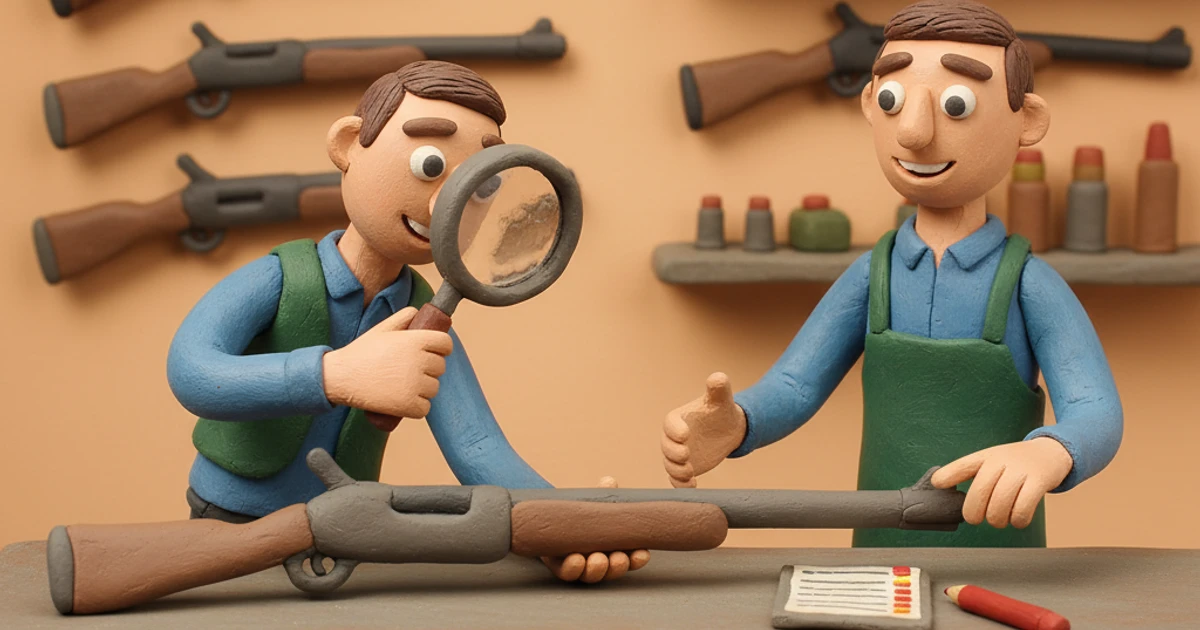
Inspects every firearm before putting it on the shelf
Offers a clear warranty or return policy
Has staff who take time to understand your experience level
Doesn’t pressure you into buying more than you need
Amherst Armory is a licensed FFL dealer in Amherst, Ohio, serving Lorain County. We specialize in quality used firearms, offer honest guidance for first-time buyers, and include a 3-day mechanical warranty on all purchases.
Step 5: Store Your Firearm Responsibly
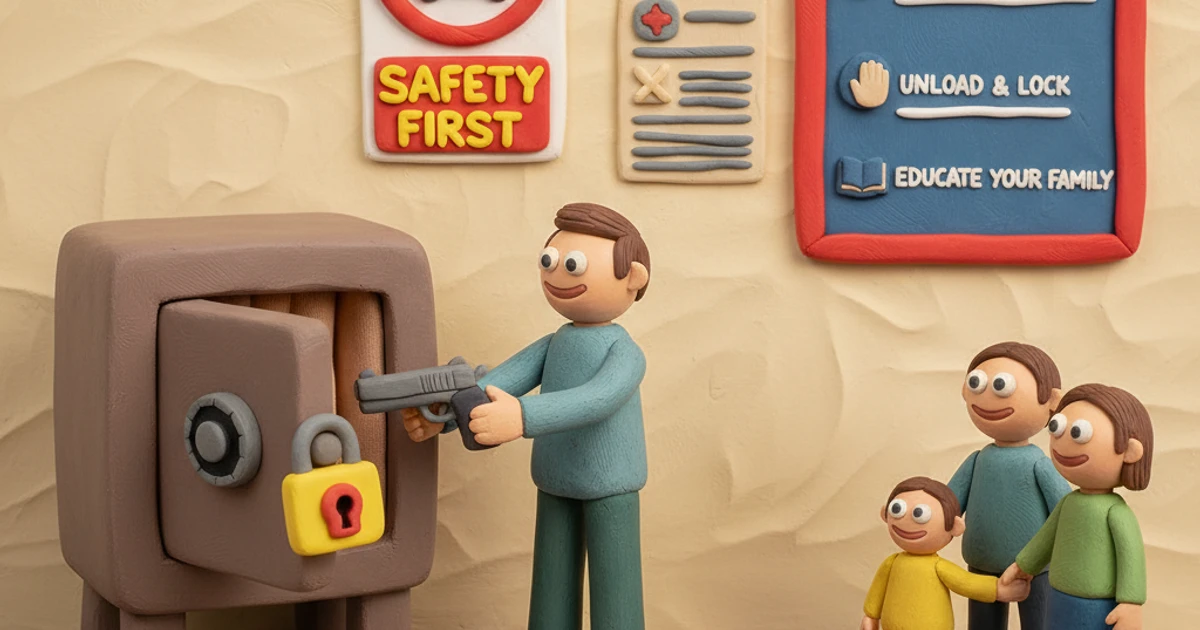
Ohio has no mandatory storage law, but best practice is:
Keep firearms secured — out of reach of children and unauthorized persons
A quality gun safe or lockable case is the best investment you’ll make
Never leave a firearm in a vehicle unattended
Understand your liability — storing an unsecured firearm accessible to a minor is a crime in Ohio
Ready to Buy?
Come by Amherst Armory at 1927 Cooper Foster Park Rd, Suite B, Amherst, OH 44001 during business hours — no appointment needed. Feel free to call ahead at (440) 210-7979 if you have questions before visiting.
We help first-time buyers every week. Bring a valid Ohio ID, be prepared to pass a NICS background check (instant if you have a CHL), and leave with a firearm you’ll feel confident owning.
How to Sell Your Firearm in Ohio: A Step-by-Step Guide
Selling a firearm in Ohio requires following specific state and federal laws — but it doesn’t have to be complicated. Whether you’re downsizing your collection, need cash fast, or want to upgrade, here’s everything you need to know to sell your gun legally and safely in Ohio.
Step 1: Understand Ohio Firearm Sales Laws
Ohio is a gun-friendly state, but federal law still applies to all firearm transactions. You must:
Sell to a buyer who is 21+ for handguns, 18+ for long guns
Ensure the buyer passes a federal NICS background check through a licensed FFL dealer
Keep a record of the sale (date, buyer info, firearm description)
Never sell to someone you have reason to believe cannot legally possess firearms
Private sales at a gun show or online still require an FFL dealer to handle the transfer. This protects both parties legally.
Step 2: Choose Your Selling Method
Ohio gun sellers typically use one of three methods:
Sell to a Gun Store (Fastest Option)
The fastest way to sell is directly to a licensed dealer like Amherst Armory. You’ll receive immediate payment — typically 50% of market value for a quick sale. No waiting, no advertising, no paperwork headaches.
Consignment Sale (Highest Return)
Consignment means the dealer sells the firearm for you and you receive 80% of the final sale price. It’s slower (typically 30-60 days) but pays significantly more. Minimum values typically apply.
Online Marketplace (Most Work, Most Risk)
GunBroker, Armslist, and similar platforms reach the widest audience but require coordinating an FFL transfer at both ends. Factor in seller fees, transfer costs, shipping, and time. For most sellers, the hassle outweighs the extra dollar.
Step 3: Know What Your Firearm is Worth
Use GunBroker completed sales as a benchmark — not asking prices. Condition matters enormously:
New/unfired: 85-95% of market value
Excellent condition: 70-80% of market value
Good condition: 50-65% of market value
Fair/functional: 30-50% of market value
Factor in any modifications, included accessories, and original packaging.
Step 4: Gather Your Documentation
Bring the following when selling to a dealer:
Valid Ohio driver’s license or state ID
Any original paperwork, manuals, or case (helps value)
Information about the firearm: manufacturer, model, serial number
Step 5: Complete the Transfer Through a Licensed FFL
If selling to a private buyer, you’ll need to coordinate through a licensed FFL dealer. Amherst Armory handles FFL transfers for buyers six days a week. Transfer fees in Lorain County typically run $25-35 per firearm.
Where to Sell Your Firearm in Lorain County
Amherst Armory is located at 1927 Cooper Foster Park Rd, Suite B, Amherst, OH 44001 in the Tractor Supply Plaza. We buy firearms outright at fair market value or sell them on consignment for 80% of the final sale price. No appointment needed — just come in during business hours.
Contact us at (440) 210-7979 or visit our Sell Your Guns page for details.
Glock vs Smith & Wesson: Which is Best for Home Defense?
Choosing a handgun for home defense is one of the most important decisions for firearm owners. Two brands dominate the conversation: Glock and Smith & Wesson. Both offer reliable, proven handguns, but they have distinct differences that matter when your family’s safety is on the line.
This guide compares Glock and Smith & Wesson handguns specifically for home defense use, examining reliability, ergonomics, capacity, price, and ease of use under stress.
Why Handgun Choice Matters for Home Defense
Home defense situations are high-stress, low-light scenarios where fine motor skills deteriorate. Your handgun needs to be simple to operate, reliable under pressure, and effective at stopping a threat. The best home defense gun is one you can operate instinctively, even at 3 AM when adrenaline is pumping.
Key factors for home defense handguns include:
Reliability — Must fire every time, no exceptions
Capacity — More rounds mean more options in a multiple-threat scenario
Ergonomics — Must fit your hand and point naturally
Sight visibility — Must be easy to acquire in low light
Simplicity — Complex manual of arms fails under stress
Glock for Home Defense: The “Perfection” Standard
Glock revolutionized the handgun market in the 1980s with their polymer-framed, striker-fired design. Today, Glock is the most widely issued handgun for law enforcement worldwide, with over 65% of U.S. police departments carrying Glocks. This track record speaks to their reliability.
Best Glock Models for Home Defense
Glock 17 — Full-size 9mm, 17+1 capacity, 4.49″ barrel, $500-$550. The original Glock and still a top choice for home defense.
Glock 19 — Compact 9mm, 15+1 capacity, 4.02″ barrel, $500-$550. Slightly smaller than the 17 but still holds 15 rounds.
Glock 22 — Full-size .40 S&W, 15+1 capacity, $500-$550. More stopping power for those who prefer .40 caliber.
Glock 21 — Full-size .45 ACP, 13+1 capacity, $550-$600. The big-bore option for maximum stopping power.
Glock Pros for Home Defense
Legendary reliability — Glocks run dirty, wet, or dry
Simple manual of arms — No manual safety to fumble with
Consistent trigger pull — Same weight every shot
Huge aftermarket support — Lights, lasers, sights, holsters galore
Easy to find magazines and parts
Proven in military and law enforcement worldwide
Glock Cons for Home Defense
Blocky grip angle — Points high for some shooters
Stock sights are plastic and mediocre
Trigger has a “mushy” feel compared to competitors
Stiff magazine springs make loading difficult for some
Smith & Wesson for Home Defense: The M&P Advantage
Smith & Wesson’s M&P (Military & Police) line was designed specifically to compete with Glock for law enforcement contracts. Launched in 2005, the M&P has earned respect for its ergonomics, accuracy, and reliability. Many shooters find the M&P points more naturally than Glock.
Best Smith & Wesson Models for Home Defense
M&P 9 Full Size — 9mm, 17+1 capacity, 4.25″ barrel, $450-$550. Direct competitor to the Glock 17 with better ergonomics.
M&P 9 M2.0 Compact — 9mm, 15+1 capacity, 4″ barrel, $450-$550. Improved trigger and grip texture over the original.
M&P 40 Full Size — .40 S&W, 15+1 capacity, $450-$550. The .40 caliber option with Smith & Wesson’s refined ergonomics.
M&P Shield Plus — 9mm, 10+1 or 13+1 capacity, $400-$500. Micro-compact option if you want one gun for home and carry.
Smith & Wesson Pros for Home Defense
Superior ergonomics — More natural point of aim for most shooters
Interchangeable backstraps — Customize grip size to your hand
Better stock sights — Metal three-dot sights standard
Improved trigger on M2.0 models — Crisper break than Glock
Optional manual thumb safety — Good for those who want one
Made in USA — Springfield, Massachusetts and Tennessee
Smith & Wesson Cons for Home Defense
Slightly less aftermarket support than Glock
Original M&P trigger was mediocre (fixed in M2.0)
Some early models had accuracy issues (resolved in current production)
Magazine availability not quite as universal as Glock
Head-to-Head Comparison: Glock 19 vs M&P 9 Compact
These two models are the most commonly compared for home defense. Here’s how they stack up:
Feature
Glock 19
M&P 9 Compact
Caliber
9mm
9mm
Capacity
15+1
15+1
Barrel Length
4.02″
4.00″
Weight (loaded)
30.18 oz
28.6 oz
Trigger Pull
~5.5 lbs
~5.5 lbs (M2.0)
MSRP
$500-$550
$450-$550
Made In
Austria/USA
USA
Home Defense Handgun FAQ
Is 9mm enough for home defense?
Yes. Modern 9mm defensive ammunition performs excellently for home defense. The FBI switched back to 9mm from .40 S&W after extensive testing showed similar stopping power with better controllability and higher capacity. For home defense, shot placement matters more than caliber.
Should I get a manual safety for home defense?
This is personal preference. Modern striker-fired pistols like Glock and M&P have multiple internal safeties and won’t fire unless the trigger is pulled. Some prefer the added security of a manual thumb safety, especially with children in the home. Others worry about fumbling with a safety under stress. If you choose a manual safety, train extensively to disengage it instinctively.
What about a shotgun instead of a handgun?
Shotguns are excellent home defense weapons with devastating stopping power. However, they’re harder to maneuver in tight spaces, harder to secure from children, and require two hands to operate. Handguns offer one-handed operation, easier storage in quick-access safes, and better maneuverability. Many experts recommend having both options available.
How much should I spend on a home defense handgun?
Expect to spend $400-$600 for a quality new handgun from Glock or Smith & Wesson. You can find quality used options for $300-$450. Don’t go too cheap — reliability is paramount for a defensive firearm. Budget an additional $50-$100 for a weapon-mounted light, which is essential for positive target identification in low light.
Should I buy new or used for home defense?
Both Glock and Smith & Wesson handguns are extremely durable. A quality used handgun from a reputable dealer can save you $100-$200 and provide decades of reliable service. The key is buying from a trusted source who inspects and guarantees their firearms. At Amherst Arms, every used handgun is inspected for function, safety, and reliability before sale.
Our Recommendation
Both Glock and Smith & Wesson make excellent home defense handguns. Here’s our breakdown:
Choose Glock if: You want the simplest, most proven design with the most aftermarket support. Glock’s “point and shoot” simplicity and legendary reliability make it ideal for those who want a “set it and forget it” home defense gun.
Choose Smith & Wesson if: You want better ergonomics and a more natural point of aim. The M&P fits more hands comfortably, and the M2.0 trigger rivals guns costing twice as much.
The best choice? Handle both at a local gun shop and see which one points naturally for you. The gun that feels right in your hand and aligns instinctively with your target is the best home defense handgun for you.
Find Your Home Defense Handgun at Amherst Arms
Amherst Arms stocks quality used Glock and Smith & Wesson handguns perfect for home defense. Every firearm is inspected for reliability and safety. We can help you choose the right model, explain the differences, and ensure you leave with a gun you can bet your life on.
Visit our used inventory page to see current availability, or stop by our store in Amherst, Ohio. We also offer FFL transfers if you find the perfect gun online.
Amherst Arms — Your Trusted FFL Dealer 1927 Cooperfoster Park Rd, Amherst, OH 44001 Phone: (440) 210-7979 Hours: Monday, Wednesday, and Thursday 4:00-7:00 PM; Friday 12:00-2:00 PM and 4:00-7:00 PM.
Browse our online shop for new inventory or visit our homepage to learn more about our services.
How FFL Transfers Work: A Complete Guide for Ohio Gun Buyers
Buying a firearm online from GunBroker, Armslist, or an out-of-state dealer? You’ll need an FFL transfer to legally take possession of your gun. This guide explains exactly how FFL transfers work in Ohio, what to expect, and how to make the process smooth and hassle-free.
What is an FFL Transfer?
An FFL (Federal Firearms License) transfer is the legal process of transferring a firearm from one party to another through a licensed dealer. Federal law requires that interstate firearm transfers — when a gun crosses state lines — must go through an FFL dealer. This applies to online purchases, private sales across state lines, and gifts from out-of-state family members.
Even for in-state private sales, many gun owners choose to use an FFL transfer for safety and legal documentation. The transfer process includes a federal background check (NICS) and creates a paper trail that protects both buyer and seller.
When Do You Need an FFL Transfer in Ohio?
You’ll need an FFL transfer for these common situations:
Buying a firearm online from GunBroker, Bud’s Gun Shop, or any out-of-state retailer
Purchasing from an online auction site like Armslist or GunAuction
Receiving a firearm as a gift from someone in another state
Inheriting firearms from an out-of-state estate
Buying from a private seller in another state
Ohio residents can buy long guns (rifles and shotguns) from an FFL dealer in any state. Handguns must be purchased through an FFL dealer in Ohio or shipped to an Ohio FFL for transfer.
Step-by-Step: How to Complete an FFL Transfer
Step 1: Choose Your Local FFL Dealer
Before buying online, contact a local FFL dealer to confirm they accept transfers and understand their fees. Transfer fees in Ohio typically range from $20 to $50. Some dealers charge additional fees for background checks or multiple firearms.
At Amherst Arms in Amherst, Ohio, we handle FFL transfers for customers throughout Lorain County. We offer competitive transfer fees and professional service with all required documentation handled properly.
Step 2: Provide FFL Information to the Seller
When you purchase the firearm, provide the seller with your chosen FFL dealer’s information. The seller will need:
FFL dealer’s business name
Business address
Phone number
Email (for sending the FFL license copy)
Most online sellers will contact your FFL directly to verify their license. Some FFL dealers, including Amherst Arms, have their license information available on their website for easy reference.
Step 3: Seller Ships the Firearm
The seller or shipping dealer must follow all applicable laws and the carrier’s current firearm-shipping policy. Ask the seller for tracking information, but wait for your receiving FFL to confirm that the firearm has been processed and is ready for pickup.
Shipping and processing times vary by seller, carrier and receiving dealer. A delivery notification does not necessarily mean the firearm is ready to transfer.
Step 4: FFL Receives and Logs the Firearm
When the receiving FFL accepts the firearm, it must be entered into the dealer’s required records before transfer. Wait for the dealer to contact you before arriving for pickup.
Step 5: Complete the Transfer at the FFL
Visit the FFL dealer with your government-issued photo ID. You’ll complete ATF Form 4473 (Firearms Transaction Record), which collects your personal information and asks questions about your eligibility to possess firearms. The FFL will then run a NICS background check.
Background check results come back in minutes in most cases. If you receive a “proceed” response, you can take your firearm home immediately. Ohio does not have a waiting period beyond the federal background check.
FFL Transfer FAQ: Common Questions
How much does an FFL transfer cost in Ohio?
FFL transfer fees in Ohio typically range from $20 to $50 per firearm. Some dealers offer discounts for multiple transfers or for customers who purchased the firearm from their online store. Always confirm fees before initiating the transfer.
How long does an FFL transfer take?
The total timeline includes shipping, dealer processing, required paperwork and the background-check response. Processing times vary, so wait for the receiving dealer to confirm the firearm is ready.
What do I need to bring for an FFL transfer?
Bring a valid government-issued photo ID with your current address. Ohio driver’s licenses work perfectly. If your ID doesn’t have your current address, bring additional proof of residence like a utility bill or vehicle registration. Also bring payment for the transfer fee.
Can I do an FFL transfer for a private sale?
Yes. While Ohio allows face-to-face private sales between residents, using an FFL transfer adds a layer of security. The background check ensures the buyer can legally possess firearms, and the paper trail protects both parties. Many sellers now require FFL transfers even for in-state sales.
What if I fail the background check?
If NICS returns a “deny” response, you cannot take possession of the firearm. The FFL will work with you and the seller to arrange a return. You may appeal the denial through the FBI’s NICS appeal process if you believe it’s an error. Common reasons for denial include felony convictions, domestic violence misdemeanors, or active protection orders.
Do I need a CCW permit for an FFL transfer?
No. You don’t need a concealed carry permit to purchase a firearm through an FFL transfer. The receiving FFL will determine which background-check steps apply under current federal requirements. Bring valid identification and follow the dealer’s instructions.
Tips for a Smooth FFL Transfer Experience
Contact your FFL first — Confirm they accept transfers and understand their specific procedures
Verify the seller’s reputation — Check reviews and ratings on GunBroker or other platforms before buying
Get tracking information — Monitor your shipment so you know when to expect the call from your FFL
Bring proper ID — Ensure your driver’s license is current and not expired
Be honest on Form 4473 — Answer all questions truthfully; lying on this form is a federal felony
Ask about multi-gun discounts — If buying multiple firearms, some FFLs offer reduced transfer fees
Ohio FFL Transfer Laws to Know
Ohio follows federal guidelines for FFL transfers with a few state-specific considerations:
No state registration required — Ohio does not require firearm registration
No waiting period — Once you pass the background check, you can take your firearm immediately
No permit to purchase — Ohio does not require a purchase permit for handguns or long guns
Private sales allowed — Ohio residents can sell firearms to other residents without an FFL, though using one is recommended
Need an FFL Transfer in Lorain County?
Amherst Arms is your local FFL dealer serving Amherst, Lorain, Elyria, and surrounding areas. We handle transfers from all major online retailers and auction sites. Our process is straightforward: provide our FFL information to your seller, wait for the firearm to arrive, then visit us to complete the paperwork and background check.
We offer competitive transfer fees and professional service. Contact us before your purchase and we’ll provide all the information your seller needs. Once your firearm arrives, we’ll call you to schedule pickup.
Amherst Arms — Licensed FFL Dealer 1927 Cooper Foster Park Rd, Amherst, OH 44001 Located in the Tractor Supply Plaza, behind Arby’s Phone: (440) 210-7979
Business Hours: Monday, Wednesday, and Thursday 4:00-7:00 PM; Friday 12:00-2:00 PM and 4:00-7:00 PM.
Visit our homepage to learn more about our services, or check our online shop for current inventory.
Ohio CCW Guide: How to Get Your Concealed Carry License in Ohio
Carrying a concealed handgun for self-defense is a significant responsibility that requires proper training, legal knowledge, and compliance with state regulations. If you’re an Ohio resident considering concealed carry, this guide walks you through everything you need to know about obtaining your Concealed Handgun License (CHL) in 2024.
What is an Ohio Concealed Handgun License?
An Ohio Concealed Handgun License (CHL), commonly called a CCW permit, allows qualified residents to legally carry a concealed handgun throughout the state. Ohio operates on a “shall issue” basis, meaning if you meet all statutory requirements, the county sheriff must issue your license.
As of June 2022, Ohio also recognizes constitutional carry for adults 21 and older, meaning you can carry concealed without a license. However, obtaining a CHL still offers significant benefits, including reciprocity with 38 other states and exemption from the NICS background check when purchasing firearms.
Ohio CCW Requirements: Who Qualifies?
To qualify for an Ohio Concealed Handgun License, you must meet these requirements:
Be at least 21 years old
Be a resident of Ohio (or employed in Ohio if from a bordering state)
Complete an 8-hour certified training course
Pass a criminal background check
Not be prohibited from possessing a firearm under federal or state law
Not have been convicted of certain violent misdemeanors within 3 years
Not have been dishonorably discharged from military service
The Ohio CCW Training Course: What to Expect
Ohio law requires all CHL applicants to complete 8 hours of certified training. This breaks down into:
6 hours of classroom instruction covering firearm safety, Ohio use-of-force laws, conflict de-escalation, and civil liability
2 hours of range time including live-fire qualification
Training costs typically range from $75 to $150 depending on the instructor and location. Many gun shops, ranges, and private instructors across Ohio offer certified CCW courses. At Amherst Arms, we can recommend trusted local instructors in the Lorain County area.
Step-by-Step: How to Apply for Your Ohio CCW
Step 1: Complete Certified Training
Find an NRA-certified or Ohio Peace Officer Training Academy (OPOTA) approved instructor. Upon completion, you’ll receive a certificate valid for 3 years.
Step 2: Gather Required Documents
You’ll need: your training certificate, valid Ohio driver’s license or state ID, passport-style photo (taken within 30 days), and the $67 application fee ($91 if you want the 5-year license).
Step 3: Apply at Your County Sheriff’s Office
Submit your application in person at the sheriff’s office in your county of residence. Some counties allow online scheduling for appointments. The sheriff has 45 days to approve or deny your application.
Step 4: Pass the Background Check
The sheriff will fingerprint you and run a comprehensive background check through state and federal databases. Most applicants receive approval within 2-3 weeks.
Ohio CCW FAQ: Common Questions Answered
How much does an Ohio CCW license cost?
The standard 5-year Ohio CHL costs $67 for residents ($91 for non-residents working in Ohio). Renewals cost the same. Training costs are separate and typically $75-$150.
How long is the Ohio CCW permit valid?
Ohio offers both 5-year and lifetime licenses. The 5-year license costs $67, while the lifetime license costs $182. Both require the same training and background check.
Can I carry in other states with an Ohio CCW?
Yes. Ohio has reciprocity agreements with 38 states, including neighboring Pennsylvania, Indiana, Kentucky, West Virginia, and Michigan. Always check current reciprocity maps before traveling, as agreements can change.
Where can I NOT carry with an Ohio CCW?
Ohio law prohibits concealed carry in several locations: schools and school safety zones, courthouses, police stations, prisons, mental health facilities, airports beyond security checkpoints, and private property posted with “no guns” signs. Ohio also prohibits carry in establishments that derive more than 50% of revenue from alcohol sales if you’re consuming alcohol.
Do I need to register my handgun to get a CCW?
No. Ohio does not require firearm registration. You can use any legally owned handgun for your training qualification and for concealed carry once licensed.
What Handgun Should I Choose for Concealed Carry?
Choosing a concealed carry handgun is a personal decision based on your body type, clothing preferences, and comfort level. Popular options for Ohio concealed carriers include:
Smith & Wesson M&P Shield — 9mm, 7+1 or 8+1 capacity, slim profile, $350-$450
Sig Sauer P365 — 9mm, 10+1 or 12+1 capacity, micro-compact, $550-$650
Springfield Hellcat — 9mm, 11+1 or 13+1 capacity, micro-compact, $500-$600
At Amherst Arms, we stock quality used handguns perfect for concealed carry. Every firearm is inspected for reliability and safety. Browse our used inventory or visit our online shop for current availability.
Ready to Start Your CCW Journey?
Getting your Ohio Concealed Handgun License is a straightforward process that opens up your right to carry for self-defense. Start by scheduling your training course with a certified instructor, then gather your documents and apply at your county sheriff’s office.
Once you’re licensed, visit Amherst Arms in Amherst, Ohio to find the perfect concealed carry handgun. We’re a licensed FFL dealer serving Lorain County with quality used firearms, professional transfers, and expert advice. Stop by during our business hours or call us at (440) 210-7979 with questions.
Store Hours: Monday, Wednesday, and Thursday 4:00-7:00 PM; Friday 12:00-2:00 PM and 4:00-7:00 PM. Located at 1927 Cooperfoster Park Rd, Amherst, OH 44001 in the Tractor Supply Plaza.
Selling a used gun can be daunting, especially with myriad regulations involved. Imagine you’re ready to part ways with your grandfather’s classic Winchester but are caught in a web of legal jargon and protocols. Fret not! This guide simplifies the process of selling used guns in Ohio legally, without turning you into a legal eagle.
Whether you’re a seasoned gun owner or stepping into the marketplace for the first time, this guide will help you understand all the vital steps. So, let’s walk you through the process step-by-step.
Understanding Ohio’s Laws on Selling Guns
If you’re new to selling firearms in Ohio, you might be imagining legal hurdles reminiscent of a Tom Clancy novel.
Know the Basics
Before diving into selling, it’s crucial to understand that Ohio has specific regulations that differ from other states. Ohio requires compliance with both federal and state laws, which can be straightforward if you know what to look for.
Background Checks: While Ohio doesn’t require background checks for private sales, federal laws might come into play if the sale involves a dealer.
Minimum Age: You must be 18 to sell a long gun and 21 to sell a handgun.
No State Registration: Ohio law does not require firearm registration, which simplifies some aspects.
Prohibited Persons: You cannot sell to anyone legally prohibited from owning firearms.
Choosing the Right Selling Method
Now that you know the basic laws, it’s time to decide how you want to sell your gun. It’s like choosing a hairstyle: one size doesn’t fit all.
Selling Directly to An Individual
Selling privately might feel like a garage sale—you need to find the right buyer.
Advertise Smartly: You can use online platforms like GunBroker, but be sure to follow their specific posting rules.
Screen the Buyer: Ask questions that might indicate if they’re legally allowed to own a firearm.
Selling Through an FFL Dealer
This is the buttoned-up method of selling your gun.
What’s an FFL?: An FFL (Federal Firearms License) dealer operates like an intermediary, ensuring all laws are followed.
Benefits: FFL can handle the transaction, ensuring that any required background checks are performed.
Consignment Sales
Think of this like a ‘pawn shop’ model but fancier.
Agreement Terms: You leave the gun with a consignment dealer and agree on the terms, including what percentage of the sale they will keep.
Locations: Amherst, Ohio, features several consignment shops specializing in firearms.
Preparing Your Firearm for Sale
You wouldn’t sell your car without a wash, would you? Prepping your firearm can make all the difference.
Documentation
Ensure all paperwork is lined up as neatly as your sock drawer.
Proof of Purchase: Having the original purchase receipt adds credibility.
Maintenance Records: Showcase how well the firearm has been taken care of over the years.
Clean and Function Check
A little elbow grease never hurt anyone.
Clean Up: Make your firearm shine inside and out.
Test Fire: Ensure it’s in working order.
Finalizing the Sale
Now, for the pièce de résistance.
Creating a Bill of Sale
Think of this as your sales finale.
What to Include: Names, descriptions, serial numbers, and dates.
Both Parties: Ensure both you and the buyer sign the document.
Completing the Transaction
Like the final scene in a thrilling movie, make sure every detail is spot-on.
Exchange Safely: Meet in a public place if possible.
Finalize Payment: Prefer cash or a secure payment method to wrap things up.
Conclusion
So there you have it—a full-fledged guide to selling used guns in Ohio legally and effectively. Whether you’re choosing to go through an FFL dealer or handling things independently, following these steps ensures you’ll stay on the right side of the law.
Now it’s your turn. Are you ready to dive into the exciting world of firearm exchange? Maybe you’ll find a hidden treasure while you’re at it—or just make some space in your closet. Whatever the reason, you’re well-prepared to start this journey safely and legally.
Handing down a favorite hunting rifle or discovering a rare collectible in a local shop forms lasting memories for Ohio’s firearm owners. Yet, when it comes time to buy a used gun, many are left wondering how to ensure a safe, legal, and worthwhile purchase.
The search for a quality used firearm can feel overwhelming, with questions about condition, value, and where to trust your business. People in Amherst and across Lorain County want a reliable local resource, not just an online listing. Navigating state laws, assessing authenticity, and working with a licensed dealer all take patience and attention—there’s more to the process than simply spotting a great price.
By connecting with a trusted hometown expert like Amherst Arms, LLC at 1927 Cooperfoster Park Rd, you’ll gain insight that helps protect your investment and peace of mind. From understanding what to look for in pre-owned guns to learning the basics of safe transactions, these insights prepare you for a confident and informed purchase, all while respecting Ohio’s regulations and your time.
In a world where trust is as valuable as firepower, Amherst Arms, LLC stands as Amherst’s hometown haven—proving that buying and selling used firearms can be personal, professional, and principled all at once.
1. Understand Ohio Laws for Buying Used Firearms
Purchasing a used firearm in Ohio involves several important legal requirements that every buyer should understand before completing a transaction. Whether you are a seasoned collector, a first-time gun owner, or a local hunting enthusiast, having a clear grasp of Ohio state regulations can help you avoid legal issues and enjoy a safe, responsible firearm ownership experience.
If you’re looking for a trusted source to purchase or sell used firearms in the Amherst area, Amherst Arms, LLC at 1927 Cooperfoster Park Rd, Amherst, OH 44001 is a licensed FFL dealer offering expert guidance and a wide selection of quality pre-owned firearms.
Know Age and Eligibility Requirements for Buyers
Understanding who can legally purchase a used firearm in Ohio is a crucial first step. According to Ohio law, you must be at least 18 years old to buy a rifle or shotgun, and at least 21 to purchase a handgun from a licensed dealer. This requirement is in line with federal regulations as well.
For example, Amherst Arms, LLC strictly enforces these age rules and will request valid government-issued identification before proceeding with any sale. If a 19-year-old walks in to buy a used Glock 19 handgun, they will be informed they need to wait until they are 21—ensuring compliance and safety for the entire community.
Understand Background Check Processes
Every purchase from an FFL dealer like Amherst Arms, LLC requires a background check, regardless of whether the firearm is new or used. Ohio uses the federal National Instant Criminal Background Check System (NICS) for this process, which helps prevent sales to prohibited individuals such as felons or those with certain mental health adjudications.
If your background check is delayed or denied, Amherst Arms, LLC staff are trained to guide customers on the next steps, whether it’s providing additional documentation or understanding appeal rights.
Learn About Private Sales vs. Dealer Purchases
Ohio law allows private sales of firearms between residents without mandating background checks, except when dealing with prohibited persons. However, purchasing from a licensed FFL dealer like Amherst Arms, LLC provides an added layer of safety and record-keeping, which is especially valuable for first-time buyers or those looking to document ownership.
For example, if you sell a used Remington 870 shotgun to a neighbor privately, there’s no record unless you complete a bill of sale for your records. Buying the same firearm at Amherst Arms, LLC ensures all proper checks and paperwork are completed.
Ohio has specific rules regarding firearm ownership that buyers should be aware of. There is no mandatory firearm registration in Ohio, but laws prohibit ownership for individuals convicted of certain crimes or those under active protection orders.
In 2021, Ohio reported over 11,000 denied firearm transfers due to failed background checks, highlighting the importance of understanding and complying with these laws. Amherst Arms, LLC staff regularly assist customers in clarifying eligibility, ensuring each transaction aligns with state guidelines and protecting customers from inadvertent legal violations.
2. Research and Choose the Best Ohio Gun Stores
2. Research and Choose the Best Ohio Gun Stores
Selecting a reputable gun store in Ohio is a vital first step for both new buyers and seasoned collectors. With numerous options available, understanding how to distinguish trustworthy dealers and quality used firearms can help buyers avoid headaches and ensure confidence in their purchases. Local FFL (Federal Firearms License) dealers often provide the necessary legal compliance, expert guidance, and transparency crucial for responsible gun ownership.
Shoppers should also consider community reputation, variety of inventory, and access to knowledgeable staff for a positive buying experience. Taking time to compare different stores and their offerings will help you make informed decisions and potentially find unique or rare firearm options.
Look for Licensed Ohio Gun Stores and FFL Dealers
Always prioritize shopping with FFL-licensed gun stores in Ohio. These dealers are authorized under federal law to buy, sell, and transfer firearms, ensuring that every transaction follows stringent background check protocols.
For instance, Amherst Arms, LLC at 1927 Cooperfoster Park Rd, Amherst, OH 44001, operates as a fully licensed FFL dealer. Choosing a licensed location like this not only ensures compliance with state and federal regulations, but also provides peace of mind that staff are knowledgeable about both legal requirements and firearm safety best practices.
Compare Reputations and Customer Reviews (e.g., Yelp, Google)
Before visiting a store or making a purchase, review its reputation using platforms like Google and Yelp. Online reviews often reveal how a business handles customer service issues, whether inventory matches descriptions, and if the staff are approachable and informed.
For example, stores with consistently high ratings and positive comments about their transparency and service—such as rapid background checks, honest trade-in assessments, or no-pressure sales—tend to result in more satisfied customers. Checking independent reviews can uncover patterns that might not be immediately obvious from a store’s website or advertising.
Evaluate Store Inventory for Used Firearms in Ohio
Not all Ohio gun stores are equal in the quality or selection of their used firearms. A well-regarded store will offer a variety of makes and models, and will transparently present the condition and history of each firearm. This is critical for buyers hoping to invest in a reliable piece or hard-to-find model.
Some stores, such as those highlighted in the Guide to Top Gun Stores in Ohio, provide practical tips for examining used firearms, including checking serial numbers, inspecting visible wear, and asking for maintenance records if available. Such transparency builds customer trust and helps prevent common mistakes, like purchasing a firearm with hidden defects or uncertain legal status.
Highlight: Amherst Arms, LLC—1927 Cooperfoster Park Rd, Amherst, OH 44001
Amherst Arms, LLC stands out for its commitment to knowledgeable, community-oriented service. Known in Amherst and surrounding areas as a hometown expert, the store carries a curated selection of quality used firearms and offers straightforward guidance to both buyers and sellers. As an established, local FFL dealer, Amherst Arms helps customers navigate state law requirements and provides appraisals for those looking to sell or trade their firearms.
In summary, working with a trusted business like Amherst Arms, LLC not only offers access to diligently inspected inventory but also a personalized experience grounded in integrity and expertise—key qualities that set the best Ohio gun stores apart from the rest.
3. Examine the Condition and Value of Used Guns
3. Examine the Condition and Value of Used Guns
Assessing the quality and value of a used firearm is critical—both for safety and financial reasons. At Amherst Arms, LLC, the goal is to equip buyers and sellers with the knowledge they need to make smart decisions. Used firearms, unlike brand-new models, can vary greatly in condition, price, and performance depending on their history and care. Here’s how you can navigate that process during your next visit to Amherst Arms at 1927 Cooperfoster Park Rd, Amherst, OH 44001.
Check for Signs of Excessive Wear or Damage
An initial visual inspection should focus on major areas of concern. Look for worn finishes, pitting, and rust, especially around the barrel, frame, and trigger assembly. Dents or deep scratches can indicate rough handling or potential underlying issues.
For example, a 50-year-old Smith & Wesson Model 10 revolver—if well maintained—will have its original bluing and crisp markings still visible. Excessive holster wear or evidence of refinishing, however, could lower its value and might hide past problems. Bring along a bore light to examine barrel rifling; cloudiness or significant leading are red flags.
Assess Mechanical Function and Overall Safety
Beyond outward appearance, ensure the firearm functions properly. Safely cycle the action, test the trigger (ensure it’s unloaded first), and check for sticky or inconsistent movement. Malfunctions, such as light primer strikes or a misaligned cylinder, can indicate deeper mechanical issues.
A semi-automatic used Glock 19, for example, should have a smooth slide, and its safety features should engage without fail. At Amherst Arms, staff routinely conduct safety checks before inventory hits the shelves, following guidelines similar to those found in the National Shooting Sports Foundation’s used gun assessment protocols.
Identify Original Parts vs. Modifications
Originality affects both value and collectability. Genuine parts and correct serial number pairings are desirable, especially for vintage firearms. Modified guns, like an AR-15 with an aftermarket trigger or custom Cerakote finish, may appeal to some but often decrease resale value if not professionally installed or if original parts are missing.
Online tools and forums, such as Colt’s online serial number lookup for classic 1911 pistols, can help distinguish replacement grips or barrels. Always ask for provenance or documentation when considering a high-end collectible, such as a pre-1964 Winchester Model 70.
Determine Fair Market Value Before You Buy
Pricing a used gun fairly requires reference to recent sales data and current market demand. Tools like the Blue Book of Gun Values and GunBroker.com’s completed listings can provide real-time benchmarks. For instance, the average sale price of a Ruger 10/22 in ‘excellent’ used condition is around $200–$250 as of 2023.
The team at Amherst Arms, LLC helps buyers and sellers by providing honest, up-to-date appraisals based on both book values and their experience in the local market. When unsure about a firearm’s true worth, consult a reputable dealer like Amherst Arms to get a transparent assessment and paperwork for every transaction.
Before completing a used firearm purchase in Ohio, it’s crucial to confirm all legal documentation is in order. Proper compliance helps protect both buyers and sellers, ensuring firearms are bought and sold responsibly. Trusted dealers like Amherst Arms, LLC, located at 1927 Cooperfoster Park Rd, Amherst, OH 44001, set a high standard for customer guidance and meticulous legal procedures.
Ensure Serial Number Visibility and Verification
For any used firearm transaction, the serial number must be clearly visible and correspond with all associated paperwork. A worn or altered serial number can signal potential legal issues or past misuse.
At reputable Ohio stores such as Amherst Arms, LLC, staff will inspect each firearm’s serial number in your presence. For example, gun shops often use a process where both the seller and a staff member visually verify the serial on a Smith & Wesson M&P 9mm before sale is approved. Attempting to purchase a gun without a legible serial number increases legal risk and may result in confiscation.
Request Proof of Prior Ownership and Legal Transfer
It’s essential to document the chain of custody for any used firearm you intend to buy. Obtaining a bill of sale or transfer form signed by the previous owner helps prove legal acquisition and proper ownership transfer.
Dealers like Amherst Arms, LLC guide buyers through these steps—producing ATF Form 4473 and Retail Firearm Sales/Receipt documentation, then retaining copies for compliance. These forms not only deter illegal sales but also protect buyers in cases where firearm provenance is questioned, as seen in several Ohio investigations.
Understand Required Paperwork for Buying Used Guns in Ohio
In Ohio, while private party sales of certain firearms can occur without background checks, purchases from a Federal Firearms License (FFL) dealer require strict adherence to federal and state documentation rules. Understanding these requirements prevents delays and legal trouble.
For instance, when buying from a local FFL dealer like Amherst Arms, buyers must complete a background check using the National Instant Criminal Background Check System (NICS) and sign the necessary forms. According to the Complete Guide to Gun Stores in Ohio, knowledgeable staff at licensed stores provide valuable clarity about which documents are required for handguns versus long guns.
Know the Steps for Safe and Compliant Transactions
Completing a legal, safe transaction isn’t automatic; it involves following precise steps that protect your investment and reputation. Start by asking the seller or dealer to review all records and conduct a background check, even for private sales when possible.
Meet at a licensed FFL location, such as Amherst Arms, LLC.
Visually inspect and record the firearm’s serial number.
Fill out and sign all required federal and state paperwork.
Request and receive a copy of the completed sales receipt and transfer documentation.
Neglecting even one step—such as failing to retain paperwork—can result in lost legal protection or challenges during future resales. For instance, a 2023 Ohio case revealed a private buyer fined $500 due to improper firearm transfer documentation.
Understanding how to navigate the negotiation and purchase process is essential whether you’re hunting for a collectible revolver or a reliable hunting rifle. At reputable gun shops like Amherst Arms, LLC (1927 Cooperfoster Park Rd, Amherst, OH 44001), successfully managing your transaction means more than finding the right firearm—it’s about building relationships, getting the best value, and securing peace of mind on your investment.
Build Rapport with Ohio Gun Shop Staff
Establishing a connection with staff in trusted local shops can influence your experience and success as a firearm buyer. At Amherst Arms, LLC, regular customers who engage respectfully with employees often hear about newly arrived firearms before they’re publicly listed. Friendly rapport may also lead to additional insights on firearm history and maintenance.
This approach pays off especially for collectors seeking rarer models; for example, some clients at Amherst Arms have received calls when unique Winchester lever-action rifles came in stock. By frequenting the shop and showing genuine interest, you position yourself as a preferred customer, which can open doors to exclusive opportunities.
Negotiate Price and Extras Based on Gun Condition
Negotiation is expected in the used firearms market, particularly when visible wear or minor mechanical flaws are present. Know the fair market value by researching models beforehand. Tools like GunBroker and Blue Book of Gun Values provide reference pricing that can ground your discussion with sellers like Amherst Arms.
If a used Remington 870 shows stock scratches or missing accessories, point them out when discussing pricing. Successful buyers often negotiate extras—like discounted ammunition or a free gun cleaning—when the deal is close. Never be afraid to politely ask for best-possible pricing, especially if paying cash or purchasing multiple items.
Ask About Warranties or Return Policies for Used Firearms
Unlike new gun purchases, used firearms may not always carry a manufacturer’s warranty. However, respected dealers like Amherst Arms, LLC clearly outline shop-specific return or exchange policies. Before finalizing your purchase, ask directly about what happens if the firearm malfunctions after you take it home.
For example, Amherst Arms offers a short-term return window for certain used firearms, giving customers a chance to test function and safety. Never assume guarantees exist—always clarify in writing and keep documentation provided by the shop.
Complete the Sale and Retain All Receipts and Documents
Completing your purchase at a licensed Ohio FFL dealer such as Amherst Arms means going through a required background check and federal paperwork. Ensure all transfer documents are properly filled out and that you receive a detailed receipt capturing serial number, price, and firearm details.
Keeping thorough records is not just best practice—it’s often required for warranty claims, insurance, or proof of legal ownership. Customers at Amherst Arms routinely report smooth follow-up support precisely because they retained all paperwork associated with their firearm purchases.
Finding the right shop is essential for firearm enthusiasts, collectors, and those looking to sell or buy used guns responsibly. Ohio is home to several reputable dealers, each offering specialized services and inventory. Knowing where to turn can make all the difference for local buyers and sellers alike.
Reliable shops not only provide access to quality used firearms but also deliver knowledgeable advice and legal guidance. Below, explore highly-rated gun shops in key Ohio locations, including a premier option that stands out for its local expertise and community connection.
Amherst Arms, LLC: Trusted Local Resource for Used Guns in Amherst, Ohio
Amherst Arms, LLC is a recognized staple in the Amherst firearm community. Located at 1927 Cooperfoster Park Rd, Amherst, OH 44001, this licensed FFL dealer specializes in buying and selling high-quality used firearms. Customers consistently praise Amherst Arms for its transparent purchasing process and warm, expert service.
The shop’s personalized approach sets it apart: staff work directly with customers to evaluate, price, and handle all documentation for used gun transactions. As a local favorite, Amherst Arms also partners with area hunters and collectors, helping residents find rare models or responsibly sell inherited collections. Their deep roots in the Amherst area contribute to the store’s trusted reputation.
Vance Outdoors: Wide Selection and Reputable Service
In central Ohio, Vance Outdoors holds a well-earned reputation for its vast inventory of both new and used firearms. This Columbus-based retailer allows buyers to browse hundreds of makes and models, including hard-to-find used shotguns and handguns.
Vance Outdoors is also known for its knowledgeable staff and competitive trade-in program, making it an attractive stop for those seeking variety or wanting to upgrade their current collection. Its multiple locations throughout the Columbus area provide accessibility and consistent customer service.
Cleveland Armory: Buy, Sell, or Trade with Knowledgeable Staff
Cleveland Armory provides northeastern Ohio residents with a specialized venue for buying, selling, and trading used firearms. Shoppers highlight the expertise of Cleveland Armory’s staff—many of whom are firearm owners themselves—who guide both seasoned collectors and first-time sellers through every step of the process.
The store’s focus on transparency and fair market pricing has made it one of the region’s go-to destinations for used gun transactions. Regular educational events and compliance workshops further enhance its standing in the Cleveland community.
Additional Gun Shops in Columbus, Cleveland, and Beyond
Beyond these flagship dealers, Ohio boasts several other reputable gun shops. For example, Black Wing Shooting Center just north of Columbus offers both a shooting range and a carefully curated selection of used rifles and handguns, attracting sportsmen from across the state.
Similarly, Fin Feather Fur Outfitters maintains multiple locations statewide and is known for its broad inventory, price-match guarantees, and knowledgeable staff dedicated to responsible gun ownership. While not every shop in Ohio specializes solely in used guns, the best combine expertise, legal compliance, and a commitment to serving their communities.
Responsible gun ownership is more than just following the law—it’s about preserving safety for yourself, your family, and the broader community. Whether you’re acquiring your first firearm, adding to a collection, or passing down a family heirloom, understanding best practices is essential. In Ohio, adopting these habits is especially important due to specific state laws and the active hunting and collector community.
Invest in Safe Storage Solutions
Proper firearm storage prevents unauthorized access and protects against theft or accidents. Gun safes, lockboxes, and trigger locks are widely recommended options. For example, Fort Knox and Liberty Safe manufacture robust gun safes trusted by law enforcement and responsible owners alike. Keeping firearms locked away, with ammunition stored separately, not only keeps children safe but also secures your investment from burglary; the Bureau of Justice Statistics reports over 1.5 million guns were stolen during burglaries from 2005-2010 in the U.S.
A local solution in Amherst can be found at Amherst Arms, LLC (1927 Cooperfoster Park Rd, Amherst, OH 44001), which offers expert guidance on storage solutions tailored for home and vehicle security. Ask about their recommendations for biometric safes popular with local hunters and sport shooters.
Take a Gun Safety or Hunter Education Course
Knowledge and practice are key to handling firearms safely. Ohio’s Division of Wildlife offers hunter education courses both online and in-person, teaching crucial topics like safe handling, ethical hunting, and accident prevention. The NRA and organizations such as the Ohio Gun Owners group also provide certified safety courses, which include hands-on training and assessments.
For example, John, an Amherst resident, took the NRA Basic Pistol Shooting Course before purchasing his first firearm at Amherst Arms, LLC. He credits the course with learning how to safely store, carry, and maintain his firearm, reducing anxiety as a new owner.
Regularly Maintain and Inspect Your Firearms
Routine maintenance enhances reliability and safety, prolonging the life of your firearm. Cleaning should follow manufacturer guidelines after each use, particularly if the gun was exposed to moisture or fired at the range. Consider tools like Hoppe’s No. 9 cleaning kits, which are industry standards for safe, thorough maintenance.
Failing to inspect for wear, corrosion, or mechanical issues can result in jams or misfires. If you’re unsure, consult professionals at Amherst Arms, LLC, where staff regularly assist customers in inspecting and servicing used firearms before sale or after extended storage.
Stay Updated on Changing Ohio Gun Laws
Laws surrounding firearms can change rapidly at both the state and federal level. In the past few years, Ohio has updated regulations on concealed carry, background checks, and age requirements. The Ohio Attorney General’s website and local legal seminars are valuable information sources for staying current.
For hands-on guidance, Amherst Arms, LLC provides updates to their customers about shifts in state law, particularly affecting collectors and those buying used firearms. They can clarify compliance questions, ensuring buyers and sellers avoid unintentional violations during transactions.
Purchasing a used firearm in Ohio demands careful attention to legal, safety, and practical considerations. The process begins long before you walk into a store or meet a private seller. Ensuring due diligence at every stage helps safeguard your investment and your well-being.
First, research Ohio’s firearm laws and familiarize yourself with background check rules and transfer requirements. Then, inspect the gun in person for signs of excessive wear or possible tampering—details such as serial number matching and proof of regular maintenance matter. For example, checking the blueing on a Smith & Wesson revolver for rust can reveal both the firearm’s quality and how it was cared for. Lastly, always complete the sale at a reputable FFL dealer, like Amherst Arms, LLC at 1927 Cooperfoster Park Rd, Amherst, OH 44001, ensuring paperwork and background checks are handled legally.
The Importance of Choosing Reputable Gun Shops Like Amherst Arms, LLC
Trust is crucial when buying a used firearm. Legitimate shops, such as Amherst Arms, LLC, follow strict state and federal guidelines, reducing risk and giving you peace of mind. Customers in Lorain County consistently praise Amherst Arms, LLC’s knowledgeable staff and transparent processes, citing real experiences like the successful transfer and inspection of a Winchester Model 70 for a first-time buyer in 2023.
Shops with a physical location and traceable business reputation, unlike unverified online marketplaces, provide a safety net for buyers and sellers alike. Having access to expert guidance helps avoid costly mistakes, counterfeit items, or undisclosed issues.
Legal Compliance and Responsible Ownership
Ohio law mandates all firearm sales through dealers include background checks, even for used guns. Skipping this step exposes you to legal risk. For example, in 2022, the Ohio Attorney General’s office reported several cases where private exchanges without proper documentation resulted in firearm confiscation and fines.
Beyond compliance, responsible ownership means securing your firearm, knowing local storage regulations, and regularly renewing your knowledge of safety practices. These habits protect your household and community.
Personal Safety and Community Responsibility
Owning a firearm extends beyond the transaction: it carries a duty to prioritize safety and foster trust in your local community. Safe storage—like using a Liberty Safe or a trigger lock—prevents accidental access, particularly in homes with children.
Firearm owners in Amherst frequently participate in local gun safety workshops, many hosted through reputable dealers like Amherst Arms, LLC. Engaging in community events and education demonstrates a commitment not only to personal safety but also to the well-being of Amherst and the wider Ohio community.
Frequently Asked Questions
Understanding the legal and practical aspects of buying or selling used firearms in Ohio can feel overwhelming. Whether you’re a first-time buyer considering a pre-owned firearm for value or a collector searching for a specific model, it’s important to know the rules and best practices. Below are the most common questions answered with real-world examples and actionable steps, featuring Amherst Arms, LLC—a licensed local dealer known for their expertise and trusted service in Amherst, Ohio.
How do I know if I’m eligible to buy used guns in Ohio?
Ohio has specific eligibility requirements for firearm purchases. Generally, you must be at least 18 to buy a long gun and 21 for a handgun, with no disqualifying criminal background or legal restrictions.
An example: A 22-year-old with a clean record visiting Amherst Arms, LLC at 1927 Cooperfoster Park Rd, Amherst, OH 44001 would typically be eligible for both handguns and rifles. However, anyone convicted of a felony, domestic violence, or under a court protection order cannot lawfully purchase firearms. Double-check your eligibility using the ATF’s guidelines before shopping.
Why should I choose a licensed Ohio gun store over a private seller?
Buying from a licensed dealer like Amherst Arms, LLC ensures legal compliance and buyer protection. FFL (Federal Firearms License) dealers run required background checks and provide receipts for every transaction.
For example, a customer in Amherst purchasing a used Smith & Wesson M&P 15 from Amherst Arms, LLC receives professional inspection and documentation. In contrast, a private sale on websites like Armslist may not require paperwork, increasing the risk of unknowingly purchasing a stolen or defective firearm.
When do I need a background check to purchase a used firearm?
Purchasing a used gun from a licensed dealer, like Amherst Arms, LLC, always requires a background check through the FBI’s NICS system. Private sales between Ohio residents typically don’t require checks, except for handguns in some cities.
For example, in Cuyahoga County, some local ordinances add requirements for handgun sales. Always check with your local law enforcement or a trusted dealer to clarify.
How do I confirm the condition and authenticity of a used gun?
Inspecting a used firearm for wear, modifications, or authenticity is crucial. At Amherst Arms, LLC, guns are examined for proper function, serial number integrity, and signs of tampering before they reach the sales floor.
If buying privately, bring along a qualified gunsmith or seek professional evaluation. Reputable stores often use bore scopes, gauges, and provenance research. Major brands like Ruger or Beretta can sometimes verify historical models through factory records.
Where can I find the best used firearms in Ohio?
Local, specialized gun stores are your best bet for quality and variety. Amherst Arms, LLC is a popular choice for enthusiasts and hunters in Lorain County, offering a rotating inventory of reputable brands and rare finds at competitive prices. Many customers cite their experience and honesty as key reasons for repeated business.
Other sources include gun shows, estate sales, or auctions, but these typically lack the warranty and guarantees offered by stores like Amherst Arms, LLC.
What should I do if I want to sell my used gun in Ohio?
Selling a firearm requires verifying the buyer’s eligibility and documenting the transfer for your records. Many sellers in Amherst rely on Amherst Arms, LLC to broker sales or provide trade-in values, simplifying compliance and ensuring legal transfer.
If selling directly, be sure to get a bill of sale and check IDs. Licensed dealers can handle the entire process, from valuation to paperwork, which protects both parties and often results in a smoother transaction.
Finding the Right Gun Store: Your Journey Begins Here
Buying a gun is more than just a transaction; it’s an experience. I remember my first time stepping into a gun store. It was a mix of excitement and nerves; the walls adorned with options galore, and the faint smell of gun oil in the air. If you’ve felt something similar, then this guide is for you. Let’s navigate the path to finding the best gun store that suits your needs.
Step 1: Understanding Your Needs
Determine the Purpose of Your Purchase
Before you even think “gun stores near me,” it’s crucial to clarify why you’re buying a gun. Is it for self-defense, hunting, sport shooting, or perhaps collecting? Each purpose might lead you to different stores that specialize in particular firearm categories.
Self-Defense Needs: You’ll want a store known for knowledgeable staff who can discuss options like handguns or shotguns suited for protection.
Hunting Enthusiasts: Seek out stores that boast a range of rifles and hunting gear.
Sport Shooting: Find places that offer a variety of ammo and target practice supplies.
Collectors: Look for stores that stock unique or vintage firearms.
Assess Your Budget
Guns can range from a few hundred to several thousand dollars. Understanding your budget will help in narrowing down your options. Stores often carry limited high-end items or focus on affordable options — knowing your budget will direct your path.
Step 2: Research and Reviews: The Power of the Internet
Utilize Online Reviews
Ah, the internet — where everyone has an opinion, and they’re all eager to share! Websites like Google, Yelp, and specialized forums like GunBroker or AR15.com can offer insights from other buyers’ experiences.
Pros and Cons: Read reviews, but take them with a grain of salt. Look for common threads in feedback.
Store Response: Notice how stores interact with feedback. Do they address concerns promptly?
Check Out Forums and Communities
Diving into gun enthusiast communities online can provide invaluable advice. People love sharing their favorite local spots, often detailing why they’re worth the visit. Plus, you might get the inside scoop on store-specific events or promotions.
Step 3: The In-Person Experience
Visit Potential Stores
There’s nothing like walking into a store to get a feel for the ambiance. Notice how you’re greeted and how helpful the staff is.
Customer Service: A good store will have friendly, knowledgeable staff. They should make you feel comfortable, not pressured.
Inventory Check: Wander around. Does the store have a diverse selection? Are items neatly organized?
Ask Questions
Don’t hesitate to ask questions. A great sales person enjoys talking shop and helping you understand different options.
Product Knowledge: Raise inquiries about different models, the history of certain firearms, or even advice on maintenance.
Trial and Testing: Some stores might offer ranges to test out models. This can be a game-changer in your decision-making.
Step 4: Understand Local Laws and Regulations
Know Your Requirements
Different states have different laws regarding firearms. Familiarizing yourself with these is crucial. Legal jargon can be a snooze-fest, but it’s necessary to ensure you’re compliant.
Licensing Needed: Find out if a license or permit is required beforehand.
Background Checks: Plan for any necessary background checks and possible waiting periods.
Store Policy Familiarization
Aside from state laws, stores might have their own policies on returns, exchanges, or layaway plans. Make sure you understand these before making a purchase.
Step 5: Trust and Open Communication
Building a Relationship
Once you’ve found a place you like, build a rapport. A familiar face can often lead to better service and occasional perks.
Join Loyalty Programs: Some stores offer discounts or points for repeated purchases.
Attend Events: Many stores host workshops or seminars. They’re a great way to learn and meet other enthusiasts.
Conclusion: Start Your Search!
Exploring the world of gun stores can sound daunting, but with the right approach, it’s more of an adventure than a chore. Whether you’re a first-time buyer or a seasoned collector, the perfect store for your needs is out there.
So, what are you waiting for? Now it’s your turn to hit “search” on “places that sell guns near me” and embark on your journey armed with these tips. Which of these steps excites you the most?
Further Reads
For those curious to dive deeper, you might find these reads intriguing:
The PSA Dagger has become one of the most popular budget-friendly 9mm pistols on the market. With its Glock 19 compatible design, shooters can access a vast ecosystem of aftermarket parts and accessories to customize their firearm. Whether you’re looking to improve accuracy, enhance ergonomics, or add essential carry features, there are countless options available for your Palmetto State Armory Dagger.In this comprehensive guide, we’ll explore the best PSA Dagger accessories for 2025, covering everything from triggers to optics to holsters. These upgrades will help you get the most out of your pistol while maintaining reliability.## Top 10 PSA Dagger Accessories### 1. Apex Tactical Action Enhancement TriggerThe factory trigger on the PSA Dagger is serviceable, but the Apex Tactical trigger transforms the shooting experience. This drop-in upgrade reduces trigger pull weight to approximately 4.5 pounds and eliminates the mushy feel common in polymer striker-fired pistols.**Key Features:**- Reduced pre-travel and over-travel- Crisp, clean break- Direct drop-in installation- Compatible with all Dagger models### 2. Holosun HS507C X2 Red Dot SightFor shooters looking to add an optic, the Holosun HS507C X2 offers exceptional value. The PSA Dagger’s optic-ready slide accepts this popular red dot with ease, providing fast target acquisition and improved accuracy.**Key Features:**- Multiple reticle options (circle dot, dot only)- Solar failsafe with 50,000-hour battery life- Shake awake technology- IP67 water resistance### 3. Tulster Oath IWB HolsterA quality holster is essential for concealed carry. The Tulster Oath provides excellent retention, comfort, and adjustability for PSA Dagger owners who carry daily.**Key Features:**- Adjustable retention and cant- Sweat guard protection- Multiple clip options- Tuckable design for deep concealment### 4. Apex Extended Magazine ReleaseThe factory magazine release can be difficult to reach for shooters with smaller hands. The Apex Extended Magazine Release solves this problem with a larger, textured button that’s easier to activate.**Key Features:**- Extended reach for faster reloads- Aggressive texturing for positive engagement- Drop-in installation- Reversible for left-handed shooters### 5. Streamlight TLR-7 Sub Weapon LightAdding a weapon-mounted light to your PSA Dagger enhances home defense capability and target identification in low-light conditions. The Streamlight TLR-7 Sub is compact yet powerful.**Key Features:**- 500 lumens of output- 1.5-hour runtime- Ambidextrous switch- Rail-mounted design### 6. AmeriGlo Spartan Operator Night SightsWhile many shooters add red dots, quality iron sights remain important as backup or primary sighting systems. AmeriGlo Spartan Operator sights provide excellent visibility day or night.**Key Features:**- Tritium front sight- Black serrated rear sight- High-visibility orange front ring- Durable steel construction### 7. Tyrant CNC Extended Slide ReleaseThe factory slide release can be stiff on new PSA Daggers. An extended slide release makes it easier to lock the slide back and release it during reloads.**Key Features:**- Extended lever for easier manipulation- CNC machined from aluminum- Multiple color options- Direct drop-in installation### 8. Trijicon RMR Type 2 (Premium Option)For shooters who want the absolute best red dot optic, the Trijicon RMR Type 2 is the gold standard. Its rugged construction has been proven in military and law enforcement applications.**Key Features:**- Military-grade durability- True-color multi-coated lens- Long battery life (4+ years)- Multiple brightness settings### 9. Magpul GL9 PMAG 15-Round MagazineHaving extra magazines is essential for range sessions and defensive preparedness. Magpul magazines offer reliable feeding at an affordable price.**Key Features:**- 15-round capacity- Visible round count windows- Easy disassembly for cleaning- Drop-free design### 10. Overwatch Precision TAC TriggerAnother excellent trigger option, the Overwatch Precision TAC trigger provides a different feel than the Apex with its flat-faced design preferred by many competitive shooters.**Key Features:**- Flat-faced trigger shoe- Reduced trigger pull weight- Positive reset- Lifetime warranty## How to Choose the Right AccessoriesWhen selecting PSA Dagger upgrades, consider these factors:**Purpose:** Are you building a range gun, carry pistol, or home defense weapon? Each role may require different accessories.**Budget:** Start with the most impactful upgrades first. A quality holster and sights typically provide the most value for carry guns.**Compatibility:** Always verify Glock 19 Gen 3 compatibility when shopping for parts. Most aftermarket accessories designed for the G19 will fit the Dagger.**Training:** New sights, triggers, or other controls may require practice to use effectively. Budget time for training with any new accessories.## Frequently Asked Questions**Q: Are Glock 19 accessories compatible with the PSA Dagger?**A: Yes, the PSA Dagger is designed to accept most Glock 19 Gen 3 compatible parts and accessories.**Q: What’s the best first upgrade for a PSA Dagger?**A: Most shooters benefit most from quality sights or an upgraded trigger as their first modification.**Q: Can I install these accessories myself?**A: Most accessories listed here are drop-in and require minimal tools. However, sight installation may require a sight pusher tool or professional installation.**Q: Will upgrades void my PSA warranty?**A: Check with Palmetto State Armory directly, but most cosmetic and drop-in upgrades don’t affect warranty coverage.## ConclusionThe PSA Dagger offers an excellent platform for customization without breaking the bank. Whether you’re enhancing your daily carry setup or building the ultimate range toy, these accessories will help you maximize your pistol’s potential. Start with the upgrades that match your intended use, and enjoy transforming your Dagger into a truly personalized firearm.
Imagine confidently carrying your PSA Dagger Micro, knowing you have extra rounds at the ready without compromising the compact feel you trust for concealed carry. Many compact firearm owners reach a crossroads: balancing firepower with reliable, easy-to-carry options isn’t as simple as picking the first magazine that fits.
Whether you’re considering a magazine upgrade for your Dagger Micro or questioning if your Glock 43 magazines can interchange, understanding compatibility, care, and accessories is key. With insights from Amherst Arms, your local resource for quality used firearms, this article demystifies magazine choices, maintenance habits, and practical tips. All it takes is a few minutes to make confident decisions about your next range day or EDC setup—and to keep your carry experience smooth and worry-free.
In a world overflowing with options, the right magazine does more than load rounds—it loads confidence; trust your hometown experts at Amherst Arms, and discover why the details behind your PSA Dagger Micro 9mm matter more than ever.
1. Understanding the PSA Dagger Micro 9mm 15 Round Magazine
What sets the PSA Dagger Micro magazine apart?
The PSA Dagger Micro 9mm 15 Round Magazine stands out in the crowded micro-compact market by offering an impressive balance of high capacity and easy concealment. Unlike many micro-compact pistol magazines such as those for the SIG Sauer P365 or the Springfield Hellcat, which typically max out at 10 to 13 rounds, the Dagger Micro boosts firepower without making the grip unwieldy or overly bulky for concealed carry.
Palmetto State Armory engineered this magazine specifically for their Micro Dagger pistol line. The design ensures an optimal fit and feed, avoiding issues that sometimes arise with aftermarket or universal-fit magazines. One notable distinction is the dedicated compatibility with PSA’s own pistols, as well as backward compatibility with Glock 43-pattern magazines, offering users wider flexibility when choosing carry options.
Key specifications and dimensions
Choosing the right magazine means understanding its physical and performance characteristics. The PSA Dagger Micro magazine measures approximately 4.6 inches in overall length, with a width of about 0.9 inches and a height tailored to fit flush with the Micro Dagger grip.
Constructed from high-strength steel with a corrosion-resistant finish, these magazines use a polymer follower for smooth, reliable feeding. Capacity is set at 15 rounds, which is exceptional for a micro-compact. When empty, it weighs roughly 2.5 ounces, and when loaded it rises to just under 8 ounces with standard 124-grain 9mm rounds. PSA’s attention to double-stack magazine engineering helps achieve this capacity without excessive girth.
Benefits of 15 round capacity in a micro-compact
The jump to 15 rounds in a micro-compact magazine, like the one offered for the PSA Dagger Micro, provides clear, tangible advantages for self-defense and everyday carry (EDC). More rounds mean a reduced need for reloads, particularly in situations where every second counts. For example, law enforcement analysis suggests most defensive encounters involve firing fewer than five rounds, but there are documented incidents, such as the 2015 Garland, Texas event, where higher capacity proved reassuring for those involved.
Having 15 rounds at your disposal can offer a strategic advantage in high-stress scenarios, where fine-motor skills deteriorate and magazine changes become riskier. Compared to pistols using single-stack Glock 43 magazines (which typically hold six rounds), the Dagger Micro’s double-stack design is especially valued by those seeking greater peace of mind.
Designed for the PSA Micro Dagger: Purpose & intent
The PSA Dagger Micro magazine is purpose-built for seamless use in the Micro Dagger pistol series. These pistols are designed for concealed carriers who expect reliability with every trigger pull. PSA’s meticulous approach ensures that the magazine locks in securely, feeds consistently, and is easy to swap during reloads.
While the magazine’s double-stack geometry is specifically tailored for the PSA Micro Dagger, its compatibility extends to Glock 43 models with magazine extension kits, offering a practical solution for owners utilizing both platforms. For gun shops like Amherst Arms, LLC, these design features mean the ability to recommend the Dagger Micro magazine as a trustworthy, versatile option for both new and experienced shooters focused on EDC concealability and capacity.
2. PSA Dagger Magazine Compatibility: Glock 43 and Beyond
2. PSA Dagger Magazine Compatibility: Glock 43 and Beyond
Glock 43 Magazine Compatibility Explained
The question of compatibility between PSA Dagger Micro magazines and Glock 43 platforms is a common one among handgun enthusiasts. The PSA Dagger Micro 9mm 15-Round Magazine is engineered specifically for the Micro Dagger and offers a significant capacity increase over the standard Glock 43 magazine, which holds just 6 rounds.
These PSA Dagger Micro magazines are sized to fit Glock 43-compatible pistols, making them a practical upgrade for shooters seeking more capacity. However, it’s vital to note that the PSA Dagger Micro magazine is not interchangeable with Dagger Compact or Full Size – S frames, a key difference that can affect fit and function. When mixing magazines across platforms, always test fitment at the range and watch for feeding issues or improper magazine lockup.
Cross-Compatibility With Other Models and Platforms
Other than the Micro Dagger and Glock 43, compatibility with additional handguns depends mainly on the magazine well tolerances and mag catch geometry. For instance, the Shadow Systems CR920, which advertises Glock 43 magazine compatibility, should accept PSA Dagger Micro magazines, although individual fit may vary.
Some after-market frames, like the Polymer80 PF9SS, use Glock 43 pattern magazines, but minor fitting may be needed. Always check for reliable lockup and feeding, particularly with custom or 80% builds. Remember that proprietary frame rails or slightly different magwell dimensions can require sanding or slight modification to ensure proper seating and ejection.
Installation Tips and Fitment Troubleshooting
Installing a PSA Dagger Micro or Glock 43 magazine into a compatible pistol generally follows a straightforward process. Firmly insert the magazine until you hear or feel an audible “click.” Some shooters find a slight palm tap ensures lock-in, especially with new magazines that haven’t been broken in.
Signs of improper fit include excessive wobble, failure to lock the slide open on the last round, or difficulty inserting/ejecting the magazine. If you encounter any of these, inspect for burrs along the mag body or frame, and verify the mag catch is engaging the magazine correctly. Light sanding or swapping to a compatible aftermarket mag catch can sometimes resolve these issues.
The Role of Magazine Extensions and Adapters
Extensions and adapters can make a real difference for shooters using compact pistols. Magpul’s PMAG 15 GL9 extension, for example, converts a 6-round Glock 43 magazine to 8 rounds, enhancing both capacity and grip for larger hands. Similarly, HYVE and Tyrant Designs create extensions that are popular with Glock 43 owners in competitive shooting circles.
When installing magazine extensions, pay close attention to spring orientation and baseplate fitment. An incorrectly installed extension can cause failures to feed or nose dives. Always test the magazine fully loaded at the range to ensure ongoing reliability after any capacity or grip modifications.
3. Performance and Reliability: What to Expect
3. Performance and Reliability: What to Expect
Feeding Reliability Under Various Conditions
Consistent feeding is crucial for any pistol, especially when using compact models like the PSA Dagger Micro or Glock 43. Magazine reliability can vary significantly depending on the scenario—clean range conditions rarely expose weak points that everyday carry (EDC) might reveal. When testing in a controlled, clean environment, most new Glock 43-compatible magazines feed reliably. However, introducing dirt, dust, or grit can quickly show differences between brands and builds.
Ammunition also plays a part. Premium factory loads like Federal HST or Speer Gold Dot are less likely to expose feeding issues than budget bulk reloads. Rapid fire cycles often place more stress on magazine springs and followers compared to slow, methodical shooting. During a recent stress test, shooters noted that PSA Dagger Micro magazines using standard 9mm FMJ performed without issue even after 300 rounds fired rapidly, indicating strong reliability under pressure. Conversely, some aftermarket magazines began experiencing failures to feed after similar round counts in dirty conditions.
Construction Materials and Durability
The materials used in a magazine’s body, follower, and spring have a direct impact on its longevity and function. Steel-bodied magazines, such as factory Glock 43 mags, are known for their toughness and resistance to deformation, while polymer-bodied options tend to be lighter but may be more vulnerable to cracking under impact if dropped on hard surfaces.
Spring life is another crucial factor for long-term reliability. High-quality springs made from music wire or stainless steel, found in OEM Glock and PSA-branded magazines, typically last thousands of cycles before showing signs of fatigue. Environmental durability is key for those in humid or extreme climates—a stainless steel spring resists corrosion better than standard steel. In a 2023 independent evaluation, Glock 43 OEM magazines exposed to sub-zero temperatures continued to function without cracking, while one budget polymer competitor failed after multiple freeze-thaw cycles.
Magazine Break-in Periods and Real-World Testing
Firearms professionals often recommend magazine break-in periods before trusting new mags for EDC. The common guidance is to run at least 200-300 rounds through each Glock 43-compatible or PSA Dagger Micro magazine to ensure consistent function. This break-in allows springs and followers to seat properly, revealing any hidden issues early.
Initial testing can be as straightforward as loading the magazine to capacity, shooting to empty, and repeating this process at the range. Many customers at Amherst Arms, LLC report that careful initial testing early on identifies rare seating or feeding quirks, ultimately leading to greater confidence in their EDC setup. Online forums and range feedback frequently highlight that issues that arise in the first 100 rounds often disappear after additional cycles, confirming the importance of real-world break-in.
Common Issues and Fixes
Common magazine-related problems for the PSA Dagger Micro and Glock 43 include failures to feed, inconsistent lock-back on empty, or difficulty seating the magazine fully. In some cases, these issues are due to worn feed lips or weak springs, especially in used magazines.
Troubleshooting typically involves inspecting the feed lips for deformation, testing spring tension, and examining the follower for excess wear. For persistent feeding problems, swapping the magazine with a known-good Glock 43 OEM mag often helps isolate whether the issue lies with the firearm or the mag. As a rule of thumb, if a magazine continues to malfunction after cleaning and spring replacement, it is safer to replace it than risk EDC performance. Amherst Arms techs advise against attempting repairs on cracked polymer mag bodies; instead, they recommend replacing with new or lightly used OEM units for both reliability and peace of mind.
4. Leading PSA Micro Dagger Accessories to Enhance Your Setup
Magazine Pouches, Carriers, and Storage Options
Efficient mag management is key for both daily carry and range sessions. PSA Dagger Micro users, especially those utilizing the Dagger Micro 9mm 15-Round Magazine, benefit from gear that is tailored to fit their firearm’s slim profile.
For concealed carry, Kydex single mag pouches from brands like Tulster or Tier 1 Concealed are engineered specifically for Glock 43 and PSA Dagger Micro compatibility, supporting both 10- and 15-round magazine options. Open carry users often gravitate toward nylon dual-mag carriers from Safariland, which provide retention and rapid access for competitions or classes. At home or in the vehicle, magnetic mag mounts (such as those from Keeper MG) secure magazines to safe doors or discrete locations, minimizing risk of misplacement and damage in transit.
Magazine Loaders and Maintenance Tools
Keeping Dagger Micro mags functional relies on reliable reloading and maintenance. Magazine loaders like the Maglula UpLULA, built for single-stack 9mm Glock 43-sized mags, minimize hand fatigue and ensure fast reloads—especially valuable during long range sessions or competitive shoots.
Dedicated cleaning kits designed for compact 9mm pistols, such as the Real Avid Gun Boss Multi-Kit, feature brushes and picks for thorough magazine and feed lip maintenance. These kits are favored by both range enthusiasts and those prioritizing reliability under concealed carry stress—data from user surveys routinely rate UpLULA at over 90% satisfaction for ease of use.
Upgrades: Base Plates, Followers, and Grip Sleeves
Aftermarket upgrades extend performance and comfort with the PSA Dagger Micro and compatible Glock 43 platform magazines. Extended base plates, such as those from HYVE Technologies or Strike Industries, offer extra capacity or improved pinky support for shooters with larger hands, making the 15-round mag easier to control.
Enhanced followers, like the Shield Arms high-visibility model, can boost feeding reliability and assist with quick chamber checks. For grip comfort, the Hogue HandALL Beavertail Grip Sleeve is a popular add-on, smoothing edges and providing secure handling regardless of shooting conditions.
Concealed Carry Accessories for the PSA Dagger Micro
Concealed carry with a PSA Dagger Micro, especially when equipped with the 15-round magazine, demands purpose-built holsters and mag carriers. Companies such as Phlster and JM Custom Kydex offer appendix-carry holsters specifically cut to accommodate the higher-capacity Dagger Micro and Glock 43x magazines without excessive printing.
Discreet magazine carriers—like those from NeoMag—allow deep-pocket or waistband carry, keeping reloads accessible yet concealed. For daily carry or travel, solutions such as the SnagMag pocket mag holster provide both rapid access and discretion, making them a top choice among seasoned concealed carriers.
Proper cleaning and lubrication are essential for ensuring that your magazine operates smoothly and reliably. Whether you have a PSA Dagger Micro-compatible magazine or a standard Glock 43 magazine, the process remains much the same. Dirt, carbon buildup, and moisture inside the magazine can compromise feeding reliability and shorten its lifespan.
To clean your magazine efficiently, start by unloading all ammunition and disassembling the magazine according to the manufacturer’s guidelines. For example, Glock provides detailed instructions in their manual for removing the base plate and spring assembly. Use a nylon brush and a dedicated gun cleaning solvent such as Hoppe’s No. 9 to scrub interior surfaces. Allow the parts to dry before applying a light coat of CLP (Cleaner, Lubricant, Protectant) or a specialized magazine lubricant like Lucas Oil Extreme Duty Gun Oil. Apply lubricant sparingly to avoid attracting excessive dirt.
As for cleaning frequency, inspect and service your magazines every 300-500 rounds, or after each use in harsh environments like rain or dust. Competitive shooters often clean their magazines after every match for consistent reliability.
Best practices for long-term magazine longevity
Ensuring your magazines last for years requires purposeful care habits. Magazines used in PSA Dagger Micro pistols and Glock 43 alike benefit from these practices. One effective method is rotating your magazines, especially if you maintain several for carry or competition purposes.
Regularly swap loaded magazines in and out of rotation to prevent springs from remaining compressed for extended periods. For example, law enforcement agencies typically rotate service magazines monthly.
Avoid over-compression of springs by never forcing extra rounds beyond the magazine’s capacity—doing so can warp the spring and follower, leading to reliability issues.
Store magazines in a cool, dry area to protect from moisture. Silica gel packets placed in your storage container can help absorb humidity. Smith & Wesson recently recommended this approach for their M&P series magazines, as it dramatically reduces the risk of rust and corrosion.
Storing loaded vs. unloaded magazines
The decision to store magazines loaded or unloaded is often debated among firearm enthusiasts. Long-term storage with magazines fully loaded can put constant pressure on magazine springs, but recent studies, including Glock’s own endurance tests, show that high-quality springs can withstand compression for several years with little loss in performance.
Nonetheless, most manufacturers—including Glock—suggest rotating loaded magazines every 3-6 months for peace of mind. For stored unloaded magazines, there’s minimal risk of spring fatigue or follower deformation. Safety remains paramount: store loaded magazines in a secure, locked container, separate from your firearm to reduce the risk of accidental discharge.
If you compete regularly or rely on your PSA Dagger Micro or Glock 43 for personal defense, following manufacturer recommendations ensures both readiness and product longevity.
Inspection routines and handling tips
Regular inspection and careful handling are critical to safe firearm ownership and magazine reliability. Start with a visual inspection every time you reload or clean your magazine. Look for cracks, dents, or bulging—any of which can lead to feeding malfunctions.
During every loading or unloading, grip the magazine body firmly, keeping fingers away from feed lips to prevent deformation. Signs that indicate replacement is needed include repeated failures to feed or eject, mag body separation, or a spring that won’t lift cartridges smoothly. In 2022, the LAPD documented several cases where magazines with worn-out springs in off-duty Glock 43 pistols led to stoppages during qualification—highlighting the importance of timely replacement.
6. How to Choose the Right PSA Dagger Magazine for You
6. How to Choose the Right PSA Dagger Magazine for You
Matching magazine features to your needs (EDC, range, home defense)
Choosing a PSA Dagger magazine isn’t a one-size-fits-all decision. Different use cases—whether for everyday carry (EDC), range days, or home defense—demand distinct features to ensure reliability, comfort, and performance. For example, a compact carry magazine may prioritize concealability, while a range mag might focus on capacity for extended practice sessions.
If you use your PSA Dagger Micro as an EDC, opt for a flush-fit 6-round or 7-round Glock 43 magazine, which keeps the profile slim for easy concealment. In contrast, for home defense or range training, higher-capacity magazines such as the Shield Arms S15—capable of holding 15 rounds—can be useful, especially when rapid reloads are less of a concern. That said, increased capacity typically means a larger grip and slightly more print under cover garments, impacting carry comfort. Match your magazine’s features to the primary purpose you want it to serve to maximize both function and ease of use.
Manufacturer authenticity and aftermarket options
Not all magazines are created equal. Authentic PSA and Glock magazines are widely recognized for reliability. To identify genuine options, look for proper factory markings, such as Glock’s distinctive logo and serial numbers laser-etched near the spine. PSA Dagger Micro pistols are designed around Glock 43-pattern magazines, so compatibility with well-known brands is typically excellent.
Aftermarket magazines, such as those from Magpul or ProMag, can offer cost savings, but they may sometimes fall short in terms of consistent function. For example, some ProMag Glock 43 options have mixed user reviews regarding feeding reliability. Factory mags are generally covered by robust warranties—Smith & Wesson, for instance, offers lifetime service—unlike many aftermarket counterparts. Always weigh price savings against warranty support and service before choosing an aftermarket magazine for your PSA Dagger Micro.
Recognizing signs of counterfeit or defective magazines
The firearms market isn’t immune to counterfeits, especially with high-demand accessories like Glock-pattern magazines. Visual inspection is key: telltale signs of a fake include muddy or offset logos, inferior polymer quality, and rough molding seams. Real Glock magazines are made from reinforced polymer with steel inserts and crisp, clear markings.
Functional issues during use serve as another warning, such as frequent feed failures, trouble seating the mag in your PSA Dagger Micro, or erratic slide lock behavior. Serial numbers and manufacturing marks—located on most factory mags near the base plate or along the spine—can be checked against manufacturer records to verify authenticity.
Buying from trusted sources: Why Amherst Arms, LLC stands out
Trustworthy dealers make a difference in both product quality and customer support. Purchasing your PSA Dagger Micro magazines from a local FFL dealer like Amherst Arms, LLC offers advantages that online megastores cannot. In-person shopping lets you examine mags for authenticity on the spot, ask detailed compatibility questions, and benefit from the staff’s firsthand experience.
Amherst Arms, LLC earns its reputation with consistently reliable inventory, offering only verified brands and genuine products. Their trained team can help troubleshoot fit or function issues unique to the PSA Dagger Micro and Glock 43 ecosystem, providing a level of hands-on service and follow-up that sets them apart from impersonal online retailers.
Key advantages of the PSA Dagger Micro 9mm 15 round magazine
The PSA Dagger Micro 9mm 15 round magazine stands out for its blend of capacity and concealability. For concealed carriers, fitting 15 rounds into a format suitable for micro-compacts like the PSA Dagger Micro or Glock 43 dramatically increases firepower without forcing larger, bulkier magazine alternatives.
This magazine is purpose-built for platforms such as the Palmetto State Armory Dagger Micro and remains compatible with popular Glock 43 variants via properly fitted sleeves. Owners who rotate between firearms appreciate how one magazine can serve both, ensuring reliable function whether at the range or in daily carry.
Its enhanced versatility means owners can confidently use the same mag for everyday carry (EDC) and home defense. For example, a customer at Amherst Arms, LLC recently reported smooth feeding over 500 rounds through both his Dagger Micro and Glock 43x, with zero malfunctions—demonstrating real-world reliability.
Importance of proper compatibility and maintenance
Selecting the right magazine for your firearm is essential—especially with micro-compact platforms. Magazines designed specifically for the Dagger Micro or Glock 43 reduce the risk of malfunctions due to fitment issues. When using aftermarket extensions, double-check fit and function before field use.
Routine inspection and cleaning protect against common failures. At Amherst Arms, LLC, staff recommend a basic cleaning after every range outing. Dust buildup or unchecked spring wear can cause jams, particularly in high-capacity magazines, so proactive care ensures safe, consistent operation.
Incorrect usage, such as forcing incompatible mags or neglecting worn feed lips, has led to stoppages. A real case involved a hunter who misused a non-OEM mag in his 43x, resulting in repeated failures to feed—preventable by verifying compatibility and tracking part wear.
Accessorizing for a complete, trusted carry system
Outfitting your setup goes beyond just a quality magazine. Accessories such as precision-molded holsters (Safariland or Tulster are popular brands) and secure mag carriers can streamline your draw while keeping reloads accessible. Amherst Arms recommends trying several options to determine personal comfort and fit.
Proper pairing with holsters engineered for the PSA Dagger Micro or Glock 43 ensures magazines fit snugly and avoid accidental drops. Many local gun owners find a combination of a G-Code mag carrier plus StealthGear USA holster provides excellent retention and daily wear comfort.
Confidence in your carry system isn’t just about gear; it’s earned by consistent practice. Training with your actual magazine, holster, and carrier leads to proven reliability and peace of mind in high-stress moments.
What to avoid when purchasing or upgrading magazines
Avoid counterfeit or bargain-brand magazines often sold online. Reports from the NRA and Guns.com note increased malfunction rates with unverified brands, risking both safety and firearm integrity.
Extensions and upgrades should be vetted for exact fitment. Enthusiasts sometimes add misfit base plates or sleeves—for example, slapping a generic +2 extension onto a PSA Dagger mag can cause spring binding or improper locking. When in doubt, seek expert advice.
Overlooking wear indicators—such as cracked polymer baseplates or weak springs—can lead to malfunctions. A customer at Amherst Arms once ignored early signs of spring fatigue, leading to a double-feed issue during a USPSA match.
Trust Amherst Arms, LLC for personalized service and reliable inventory
At Amherst Arms, LLC, firearm owners benefit from a customer-focused approach. Staff understand the nuances of pairing the right PSA Dagger Micro or Glock 43 magazine with your exact model and shooting style.
Their broad inventory features reputable brands, including OEM and carefully selected aftermarket options. Every purchase comes backed by personalized, knowledgeable support—something big-box retailers can’t match.
From first-time buyers seeking trusted accessories, to collectors needing hard-to-find magazines, Amherst Arms provides ongoing service and follow-up, ensuring your carry system is always up to the task—on the range or in the field.
FAQ
How do I know if a PSA Dagger Micro magazine is compatible with my Glock 43?
Choosing the right magazine is crucial for both safety and reliability, especially when working with models like the PSA Dagger Micro and the Glock 43. Compatibility is not always guaranteed across different brands, even if the calibers match.
Check manufacturer compatibility lists: Palmetto State Armory (PSA) provides detailed compatibility charts for their Dagger Micro magazines. Verify whether your Glock 43 is mentioned, or look for official references from Glock’s website. For example, Glock’s official documentation lists OEM magazine specifications; cross-reference these with the PSA Dagger Micro details for confirmation.
Consult with a local FFL or the retailer: Firearm experts at Amherst Arms, LLC can offer hands-on advice based on first-hand experience with both brands. Customers regularly bring in pistols to test fit new magazines before purchase, minimizing compatibility issues.
Perform a safe test fit before use: Always conduct a test fit with the magazine in an unloaded pistol at home or in-store. An example: Several Amherst Arms customers have successfully confirmed fitment by engaging and disengaging the ejector and cycling dummy rounds before making a final purchase.
Why choose a 15 round magazine over smaller capacity options?
Magazine capacity can impact usability, legality, and personal defense strategies. Opting for a 15 round magazine for your PSA Dagger Micro or Glock 43 has distinct advantages, but may not be suited for every scenario or legal jurisdiction.
Increased firepower for self-defense: Larger magazines offer more rounds before reloading—an advantage in potential home defense or personal protection situations. The Springfield Hellcat Pro, for instance, is often compared favorably for its high-capacity magazine in the micro-compact category.
Fewer reloads during range time or emergencies: More rounds translate to less time spent swapping magazines on the range, enhancing practice efficiency. Regular shooters at Amherst Arms’ local range often cite the convenience of fewer reloads as a reason for upgrading.
Potential legal considerations depending on state: Some states, such as New York or California, limit magazine capacity to 10 rounds. Always check your state’s regulations before purchasing; selling a 15 round magazine to a resident in these states could lead to legal complications.
When should I replace my magazine or its components?
Proper magazine maintenance ensures safe and reliable firearm operation. Overlooking wear and tear can lead to feeding failures or accidents.
Noticeable feeding issues or visible damage: If your magazine fails to feed rounds consistently, or if you see dents, severe scratches, or corrosion, it’s likely time for replacement. For example, a regular Amherst Arms customer reported repeated stovepipes, later traced to a bent magazine lip.
Spring fatigue or cracked followers/base plates: Springs weakened over extensive use can cause jams. Inspect for cracks at the base plate—this is common in older Glock 43 magazines, especially after thousands of rounds.
Routine replacement as part of maintenance: Many shooters, such as USPSA competitors, replace springs or followers after every season regardless of performance, ensuring optimal reliability.
How do I troubleshoot feeding or reliability issues?
Feeding problems are common with magazines not properly maintained or after significant round counts. Effectively identifying root causes saves both time and money.
Disassemble and clean the magazine: Dust, dirt, and residue commonly cause misfeeds. A disassembly cleaning kit—like those from Real Avid—can restore function quickly.
Inspect for damaged parts and replace if needed: Look for wear on the follower, base plate, or spring. For instance, participants in recent NRA workshops documented success by replacing only worn springs instead of buying entirely new mags.
Test with different ammunition brands/types: Sometimes, specific bullet shapes or powers affect feeding. Customers at Amherst Arms have noted that Winchester White Box ammo runs smoother in certain PSA Dagger Micro magazines than less expensive alternatives.
Is it okay to store my PSA Dagger magazine loaded for extended periods?
The question of spring fatigue from leaving magazines loaded is common among gun owners. Modern magazine technology has addressed many of these concerns.
Modern magazine springs can typically handle extended compression: Manufacturers like PSA and Glock now use high-quality spring steel designed for longevity. For example, Glock has cited internal testing where magazines remain loaded for years without measurable weakening.
Rotate stored magazines regularly for spring longevity: Even so, Amherst Arms staff recommend rotating magazines every few months for assurance, an approach adopted by most security professionals.
Follow manufacturer guidelines for best results: Always consult owner’s manuals; they provide specifics about recommended storage practices. Skipping this step could void warranties, as indicated by recent PSA warranty updates.
What are the benefits of buying from a local FFL dealer like Amherst Arms, LLC?
Purchasing from an established FFL reseller goes beyond just access to inventory. It means having a support system that understands both your needs and local laws.
Personalized recommendations from firearm experts: Amherst Arms staff offer tailored advice for specific pistols like the PSA Dagger Micro or Glock 43, based on years of experience and customer feedback.
Guaranteed authentic products and inventory: Buying from an authorized FFL ensures genuine magazines—no knockoffs or counterfeit risks. A recent ATF advisory highlighted the prevalence of fake Glock magazines sold online, an issue locally mitigated by reputable stocking dealers.
Support for questions, troubleshooting, and customer service: When issues arise, in-person support from Amherst Arms can resolve them on site—whether it’s troubleshooting a feeding issue or exchanging a magazine that doesn’t fit as expected.
Age Verification Required
You must be 18 years or older to enter this website. By selecting “I am 18+” you confirm you meet this requirement.