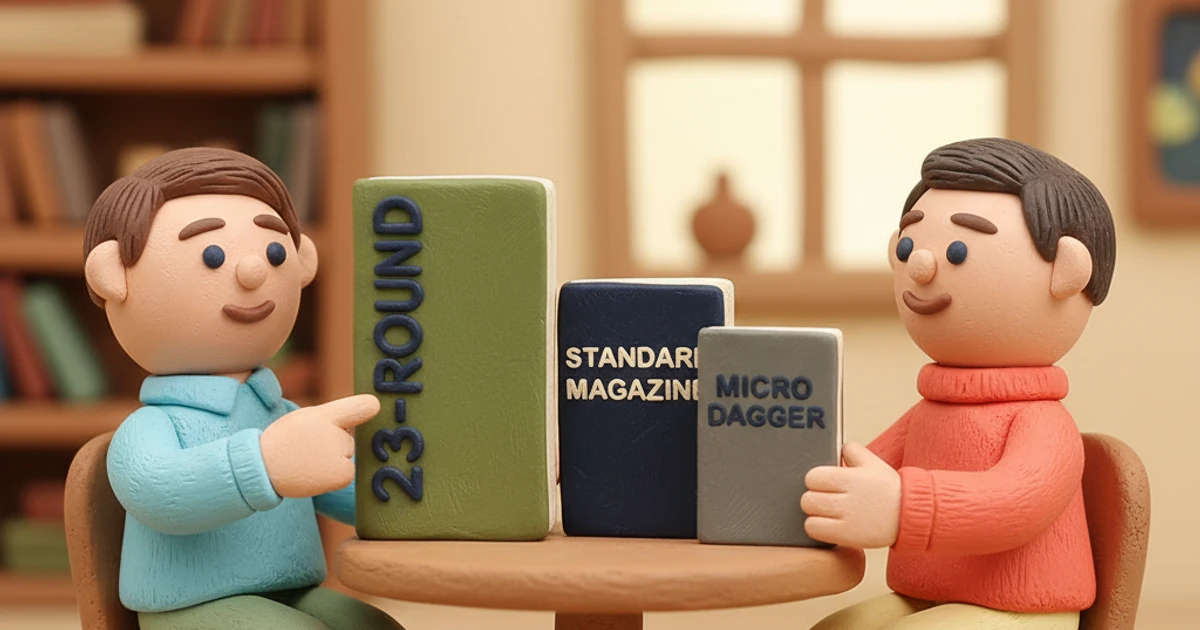
Imagine confidently carrying your PSA Dagger Micro, knowing you have extra rounds at the ready without compromising the compact feel you trust for concealed carry. Many compact firearm owners reach a crossroads: balancing firepower with reliable, easy-to-carry options isn’t as simple as picking the first magazine that fits.
Whether you’re considering a magazine upgrade for your Dagger Micro or questioning if your Glock 43 magazines can interchange, understanding compatibility, care, and accessories is key. With insights from Amherst Arms, your local resource for quality used firearms, this article demystifies magazine choices, maintenance habits, and practical tips. All it takes is a few minutes to make confident decisions about your next range day or EDC setup—and to keep your carry experience smooth and worry-free.
In a world overflowing with options, the right magazine does more than load rounds—it loads confidence; trust your hometown experts at Amherst Arms, and discover why the details behind your PSA Dagger Micro 9mm matter more than ever.
Reference:
PSA Dagger Micro 9mm 15 Round Magazine With …
1. Understanding the PSA Dagger Micro 9mm 15 Round Magazine
What sets the PSA Dagger Micro magazine apart?
The PSA Dagger Micro 9mm 15 Round Magazine stands out in the crowded micro-compact market by offering an impressive balance of high capacity and easy concealment. Unlike many micro-compact pistol magazines such as those for the SIG Sauer P365 or the Springfield Hellcat, which typically max out at 10 to 13 rounds, the Dagger Micro boosts firepower without making the grip unwieldy or overly bulky for concealed carry.
Palmetto State Armory engineered this magazine specifically for their Micro Dagger pistol line. The design ensures an optimal fit and feed, avoiding issues that sometimes arise with aftermarket or universal-fit magazines. One notable distinction is the dedicated compatibility with PSA’s own pistols, as well as backward compatibility with Glock 43-pattern magazines, offering users wider flexibility when choosing carry options.
Key specifications and dimensions
Choosing the right magazine means understanding its physical and performance characteristics. The PSA Dagger Micro magazine measures approximately 4.6 inches in overall length, with a width of about 0.9 inches and a height tailored to fit flush with the Micro Dagger grip.
Constructed from high-strength steel with a corrosion-resistant finish, these magazines use a polymer follower for smooth, reliable feeding. Capacity is set at 15 rounds, which is exceptional for a micro-compact. When empty, it weighs roughly 2.5 ounces, and when loaded it rises to just under 8 ounces with standard 124-grain 9mm rounds. PSA’s attention to double-stack magazine engineering helps achieve this capacity without excessive girth.
Benefits of 15 round capacity in a micro-compact
The jump to 15 rounds in a micro-compact magazine, like the one offered for the PSA Dagger Micro, provides clear, tangible advantages for self-defense and everyday carry (EDC). More rounds mean a reduced need for reloads, particularly in situations where every second counts. For example, law enforcement analysis suggests most defensive encounters involve firing fewer than five rounds, but there are documented incidents, such as the 2015 Garland, Texas event, where higher capacity proved reassuring for those involved.
Having 15 rounds at your disposal can offer a strategic advantage in high-stress scenarios, where fine-motor skills deteriorate and magazine changes become riskier. Compared to pistols using single-stack Glock 43 magazines (which typically hold six rounds), the Dagger Micro’s double-stack design is especially valued by those seeking greater peace of mind.
Designed for the PSA Micro Dagger: Purpose & intent
The PSA Dagger Micro magazine is purpose-built for seamless use in the Micro Dagger pistol series. These pistols are designed for concealed carriers who expect reliability with every trigger pull. PSA’s meticulous approach ensures that the magazine locks in securely, feeds consistently, and is easy to swap during reloads.
While the magazine’s double-stack geometry is specifically tailored for the PSA Micro Dagger, its compatibility extends to Glock 43 models with magazine extension kits, offering a practical solution for owners utilizing both platforms. For gun shops like Amherst Arms, LLC, these design features mean the ability to recommend the Dagger Micro magazine as a trustworthy, versatile option for both new and experienced shooters focused on EDC concealability and capacity.
2. PSA Dagger Magazine Compatibility: Glock 43 and Beyond
Glock 43 Magazine Compatibility Explained
The question of compatibility between PSA Dagger Micro magazines and Glock 43 platforms is a common one among handgun enthusiasts. The PSA Dagger Micro 9mm 15-Round Magazine is engineered specifically for the Micro Dagger and offers a significant capacity increase over the standard Glock 43 magazine, which holds just 6 rounds.
These PSA Dagger Micro magazines are sized to fit Glock 43-compatible pistols, making them a practical upgrade for shooters seeking more capacity. However, it’s vital to note that the PSA Dagger Micro magazine is not interchangeable with Dagger Compact or Full Size – S frames, a key difference that can affect fit and function. When mixing magazines across platforms, always test fitment at the range and watch for feeding issues or improper magazine lockup.
Cross-Compatibility With Other Models and Platforms
Other than the Micro Dagger and Glock 43, compatibility with additional handguns depends mainly on the magazine well tolerances and mag catch geometry. For instance, the Shadow Systems CR920, which advertises Glock 43 magazine compatibility, should accept PSA Dagger Micro magazines, although individual fit may vary.
Some after-market frames, like the Polymer80 PF9SS, use Glock 43 pattern magazines, but minor fitting may be needed. Always check for reliable lockup and feeding, particularly with custom or 80% builds. Remember that proprietary frame rails or slightly different magwell dimensions can require sanding or slight modification to ensure proper seating and ejection.
Installation Tips and Fitment Troubleshooting
Installing a PSA Dagger Micro or Glock 43 magazine into a compatible pistol generally follows a straightforward process. Firmly insert the magazine until you hear or feel an audible “click.” Some shooters find a slight palm tap ensures lock-in, especially with new magazines that haven’t been broken in.
Signs of improper fit include excessive wobble, failure to lock the slide open on the last round, or difficulty inserting/ejecting the magazine. If you encounter any of these, inspect for burrs along the mag body or frame, and verify the mag catch is engaging the magazine correctly. Light sanding or swapping to a compatible aftermarket mag catch can sometimes resolve these issues.
The Role of Magazine Extensions and Adapters
Extensions and adapters can make a real difference for shooters using compact pistols. Magpul’s PMAG 15 GL9 extension, for example, converts a 6-round Glock 43 magazine to 8 rounds, enhancing both capacity and grip for larger hands. Similarly, HYVE and Tyrant Designs create extensions that are popular with Glock 43 owners in competitive shooting circles.
When installing magazine extensions, pay close attention to spring orientation and baseplate fitment. An incorrectly installed extension can cause failures to feed or nose dives. Always test the magazine fully loaded at the range to ensure ongoing reliability after any capacity or grip modifications.
3. Performance and Reliability: What to Expect

Feeding Reliability Under Various Conditions
Consistent feeding is crucial for any pistol, especially when using compact models like the PSA Dagger Micro or Glock 43. Magazine reliability can vary significantly depending on the scenario—clean range conditions rarely expose weak points that everyday carry (EDC) might reveal. When testing in a controlled, clean environment, most new Glock 43-compatible magazines feed reliably. However, introducing dirt, dust, or grit can quickly show differences between brands and builds.
Ammunition also plays a part. Premium factory loads like Federal HST or Speer Gold Dot are less likely to expose feeding issues than budget bulk reloads. Rapid fire cycles often place more stress on magazine springs and followers compared to slow, methodical shooting. During a recent stress test, shooters noted that PSA Dagger Micro magazines using standard 9mm FMJ performed without issue even after 300 rounds fired rapidly, indicating strong reliability under pressure. Conversely, some aftermarket magazines began experiencing failures to feed after similar round counts in dirty conditions.
Construction Materials and Durability
The materials used in a magazine’s body, follower, and spring have a direct impact on its longevity and function. Steel-bodied magazines, such as factory Glock 43 mags, are known for their toughness and resistance to deformation, while polymer-bodied options tend to be lighter but may be more vulnerable to cracking under impact if dropped on hard surfaces.
Spring life is another crucial factor for long-term reliability. High-quality springs made from music wire or stainless steel, found in OEM Glock and PSA-branded magazines, typically last thousands of cycles before showing signs of fatigue. Environmental durability is key for those in humid or extreme climates—a stainless steel spring resists corrosion better than standard steel. In a 2023 independent evaluation, Glock 43 OEM magazines exposed to sub-zero temperatures continued to function without cracking, while one budget polymer competitor failed after multiple freeze-thaw cycles.
Magazine Break-in Periods and Real-World Testing
Firearms professionals often recommend magazine break-in periods before trusting new mags for EDC. The common guidance is to run at least 200-300 rounds through each Glock 43-compatible or PSA Dagger Micro magazine to ensure consistent function. This break-in allows springs and followers to seat properly, revealing any hidden issues early.
Initial testing can be as straightforward as loading the magazine to capacity, shooting to empty, and repeating this process at the range. Many customers at Amherst Arms, LLC report that careful initial testing early on identifies rare seating or feeding quirks, ultimately leading to greater confidence in their EDC setup. Online forums and range feedback frequently highlight that issues that arise in the first 100 rounds often disappear after additional cycles, confirming the importance of real-world break-in.
Common Issues and Fixes
Common magazine-related problems for the PSA Dagger Micro and Glock 43 include failures to feed, inconsistent lock-back on empty, or difficulty seating the magazine fully. In some cases, these issues are due to worn feed lips or weak springs, especially in used magazines.
Troubleshooting typically involves inspecting the feed lips for deformation, testing spring tension, and examining the follower for excess wear. For persistent feeding problems, swapping the magazine with a known-good Glock 43 OEM mag often helps isolate whether the issue lies with the firearm or the mag. As a rule of thumb, if a magazine continues to malfunction after cleaning and spring replacement, it is safer to replace it than risk EDC performance. Amherst Arms techs advise against attempting repairs on cracked polymer mag bodies; instead, they recommend replacing with new or lightly used OEM units for both reliability and peace of mind.
Reference:
Model 3 reliability past 100K miles? (Not battery, just …
4. Leading PSA Micro Dagger Accessories to Enhance Your Setup
Magazine Pouches, Carriers, and Storage Options
Efficient mag management is key for both daily carry and range sessions. PSA Dagger Micro users, especially those utilizing the Dagger Micro 9mm 15-Round Magazine, benefit from gear that is tailored to fit their firearm’s slim profile.
For concealed carry, Kydex single mag pouches from brands like Tulster or Tier 1 Concealed are engineered specifically for Glock 43 and PSA Dagger Micro compatibility, supporting both 10- and 15-round magazine options. Open carry users often gravitate toward nylon dual-mag carriers from Safariland, which provide retention and rapid access for competitions or classes. At home or in the vehicle, magnetic mag mounts (such as those from Keeper MG) secure magazines to safe doors or discrete locations, minimizing risk of misplacement and damage in transit.
Magazine Loaders and Maintenance Tools
Keeping Dagger Micro mags functional relies on reliable reloading and maintenance. Magazine loaders like the Maglula UpLULA, built for single-stack 9mm Glock 43-sized mags, minimize hand fatigue and ensure fast reloads—especially valuable during long range sessions or competitive shoots.
Dedicated cleaning kits designed for compact 9mm pistols, such as the Real Avid Gun Boss Multi-Kit, feature brushes and picks for thorough magazine and feed lip maintenance. These kits are favored by both range enthusiasts and those prioritizing reliability under concealed carry stress—data from user surveys routinely rate UpLULA at over 90% satisfaction for ease of use.
Upgrades: Base Plates, Followers, and Grip Sleeves
Aftermarket upgrades extend performance and comfort with the PSA Dagger Micro and compatible Glock 43 platform magazines. Extended base plates, such as those from HYVE Technologies or Strike Industries, offer extra capacity or improved pinky support for shooters with larger hands, making the 15-round mag easier to control.
Enhanced followers, like the Shield Arms high-visibility model, can boost feeding reliability and assist with quick chamber checks. For grip comfort, the Hogue HandALL Beavertail Grip Sleeve is a popular add-on, smoothing edges and providing secure handling regardless of shooting conditions.
Concealed Carry Accessories for the PSA Dagger Micro
Concealed carry with a PSA Dagger Micro, especially when equipped with the 15-round magazine, demands purpose-built holsters and mag carriers. Companies such as Phlster and JM Custom Kydex offer appendix-carry holsters specifically cut to accommodate the higher-capacity Dagger Micro and Glock 43x magazines without excessive printing.
Discreet magazine carriers—like those from NeoMag—allow deep-pocket or waistband carry, keeping reloads accessible yet concealed. For daily carry or travel, solutions such as the SnagMag pocket mag holster provide both rapid access and discretion, making them a top choice among seasoned concealed carriers.
Reference:
Top 9 accessories for a PSA Dagger to enhance …
5. Maintenance, Care, and Safe Handling
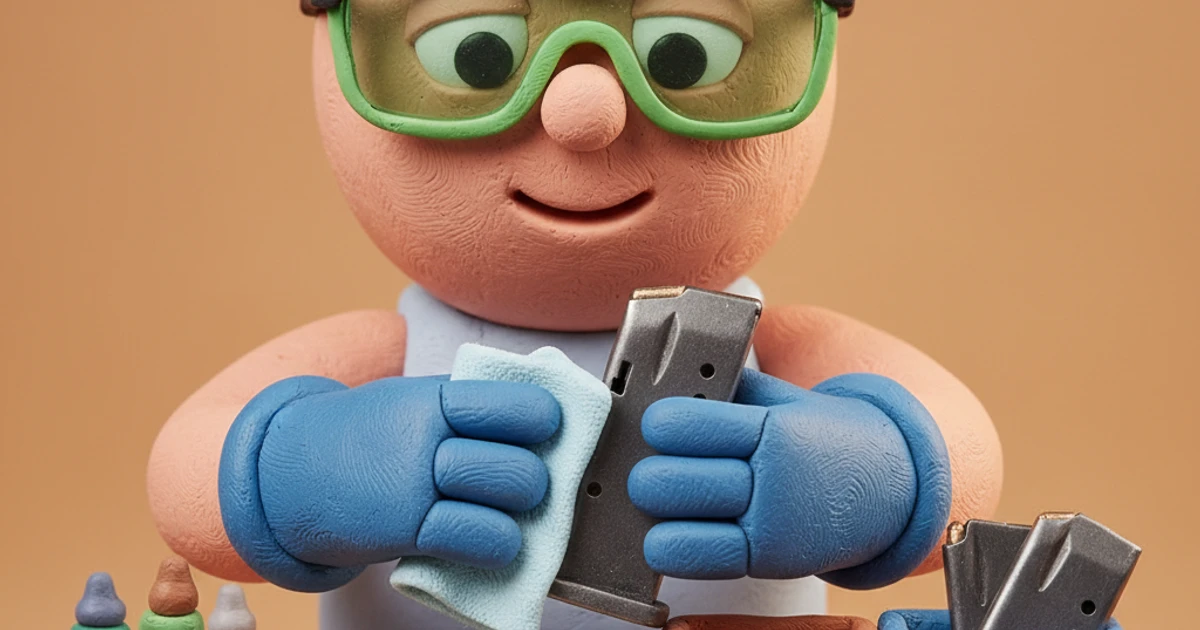
Cleaning and lubricating your magazine
Proper cleaning and lubrication are essential for ensuring that your magazine operates smoothly and reliably. Whether you have a PSA Dagger Micro-compatible magazine or a standard Glock 43 magazine, the process remains much the same. Dirt, carbon buildup, and moisture inside the magazine can compromise feeding reliability and shorten its lifespan.
To clean your magazine efficiently, start by unloading all ammunition and disassembling the magazine according to the manufacturer’s guidelines. For example, Glock provides detailed instructions in their manual for removing the base plate and spring assembly. Use a nylon brush and a dedicated gun cleaning solvent such as Hoppe’s No. 9 to scrub interior surfaces. Allow the parts to dry before applying a light coat of CLP (Cleaner, Lubricant, Protectant) or a specialized magazine lubricant like Lucas Oil Extreme Duty Gun Oil. Apply lubricant sparingly to avoid attracting excessive dirt.
As for cleaning frequency, inspect and service your magazines every 300-500 rounds, or after each use in harsh environments like rain or dust. Competitive shooters often clean their magazines after every match for consistent reliability.
Best practices for long-term magazine longevity
Ensuring your magazines last for years requires purposeful care habits. Magazines used in PSA Dagger Micro pistols and Glock 43 alike benefit from these practices. One effective method is rotating your magazines, especially if you maintain several for carry or competition purposes.
- Regularly swap loaded magazines in and out of rotation to prevent springs from remaining compressed for extended periods. For example, law enforcement agencies typically rotate service magazines monthly.
- Avoid over-compression of springs by never forcing extra rounds beyond the magazine’s capacity—doing so can warp the spring and follower, leading to reliability issues.
- Store magazines in a cool, dry area to protect from moisture. Silica gel packets placed in your storage container can help absorb humidity. Smith & Wesson recently recommended this approach for their M&P series magazines, as it dramatically reduces the risk of rust and corrosion.
Storing loaded vs. unloaded magazines
The decision to store magazines loaded or unloaded is often debated among firearm enthusiasts. Long-term storage with magazines fully loaded can put constant pressure on magazine springs, but recent studies, including Glock’s own endurance tests, show that high-quality springs can withstand compression for several years with little loss in performance.
Nonetheless, most manufacturers—including Glock—suggest rotating loaded magazines every 3-6 months for peace of mind. For stored unloaded magazines, there’s minimal risk of spring fatigue or follower deformation. Safety remains paramount: store loaded magazines in a secure, locked container, separate from your firearm to reduce the risk of accidental discharge.
If you compete regularly or rely on your PSA Dagger Micro or Glock 43 for personal defense, following manufacturer recommendations ensures both readiness and product longevity.
Inspection routines and handling tips
Regular inspection and careful handling are critical to safe firearm ownership and magazine reliability. Start with a visual inspection every time you reload or clean your magazine. Look for cracks, dents, or bulging—any of which can lead to feeding malfunctions.
During every loading or unloading, grip the magazine body firmly, keeping fingers away from feed lips to prevent deformation. Signs that indicate replacement is needed include repeated failures to feed or eject, mag body separation, or a spring that won’t lift cartridges smoothly. In 2022, the LAPD documented several cases where magazines with worn-out springs in off-duty Glock 43 pistols led to stoppages during qualification—highlighting the importance of timely replacement.
Reference:
Five basic rules for safe maintenance
6. How to Choose the Right PSA Dagger Magazine for You
Matching magazine features to your needs (EDC, range, home defense)
Choosing a PSA Dagger magazine isn’t a one-size-fits-all decision. Different use cases—whether for everyday carry (EDC), range days, or home defense—demand distinct features to ensure reliability, comfort, and performance. For example, a compact carry magazine may prioritize concealability, while a range mag might focus on capacity for extended practice sessions.
If you use your PSA Dagger Micro as an EDC, opt for a flush-fit 6-round or 7-round Glock 43 magazine, which keeps the profile slim for easy concealment. In contrast, for home defense or range training, higher-capacity magazines such as the Shield Arms S15—capable of holding 15 rounds—can be useful, especially when rapid reloads are less of a concern. That said, increased capacity typically means a larger grip and slightly more print under cover garments, impacting carry comfort. Match your magazine’s features to the primary purpose you want it to serve to maximize both function and ease of use.
Manufacturer authenticity and aftermarket options
Not all magazines are created equal. Authentic PSA and Glock magazines are widely recognized for reliability. To identify genuine options, look for proper factory markings, such as Glock’s distinctive logo and serial numbers laser-etched near the spine. PSA Dagger Micro pistols are designed around Glock 43-pattern magazines, so compatibility with well-known brands is typically excellent.
Aftermarket magazines, such as those from Magpul or ProMag, can offer cost savings, but they may sometimes fall short in terms of consistent function. For example, some ProMag Glock 43 options have mixed user reviews regarding feeding reliability. Factory mags are generally covered by robust warranties—Smith & Wesson, for instance, offers lifetime service—unlike many aftermarket counterparts. Always weigh price savings against warranty support and service before choosing an aftermarket magazine for your PSA Dagger Micro.
Recognizing signs of counterfeit or defective magazines
The firearms market isn’t immune to counterfeits, especially with high-demand accessories like Glock-pattern magazines. Visual inspection is key: telltale signs of a fake include muddy or offset logos, inferior polymer quality, and rough molding seams. Real Glock magazines are made from reinforced polymer with steel inserts and crisp, clear markings.
Functional issues during use serve as another warning, such as frequent feed failures, trouble seating the mag in your PSA Dagger Micro, or erratic slide lock behavior. Serial numbers and manufacturing marks—located on most factory mags near the base plate or along the spine—can be checked against manufacturer records to verify authenticity.
Buying from trusted sources: Why Amherst Arms, LLC stands out
Trustworthy dealers make a difference in both product quality and customer support. Purchasing your PSA Dagger Micro magazines from a local FFL dealer like Amherst Arms, LLC offers advantages that online megastores cannot. In-person shopping lets you examine mags for authenticity on the spot, ask detailed compatibility questions, and benefit from the staff’s firsthand experience.
Amherst Arms, LLC earns its reputation with consistently reliable inventory, offering only verified brands and genuine products. Their trained team can help troubleshoot fit or function issues unique to the PSA Dagger Micro and Glock 43 ecosystem, providing a level of hands-on service and follow-up that sets them apart from impersonal online retailers.
Reference:
Mag of choice? – Dagger – Palmetto State Armory | Forum
Conclusion

Key advantages of the PSA Dagger Micro 9mm 15 round magazine
The PSA Dagger Micro 9mm 15 round magazine stands out for its blend of capacity and concealability. For concealed carriers, fitting 15 rounds into a format suitable for micro-compacts like the PSA Dagger Micro or Glock 43 dramatically increases firepower without forcing larger, bulkier magazine alternatives.
This magazine is purpose-built for platforms such as the Palmetto State Armory Dagger Micro and remains compatible with popular Glock 43 variants via properly fitted sleeves. Owners who rotate between firearms appreciate how one magazine can serve both, ensuring reliable function whether at the range or in daily carry.
Its enhanced versatility means owners can confidently use the same mag for everyday carry (EDC) and home defense. For example, a customer at Amherst Arms, LLC recently reported smooth feeding over 500 rounds through both his Dagger Micro and Glock 43x, with zero malfunctions—demonstrating real-world reliability.
Importance of proper compatibility and maintenance
Selecting the right magazine for your firearm is essential—especially with micro-compact platforms. Magazines designed specifically for the Dagger Micro or Glock 43 reduce the risk of malfunctions due to fitment issues. When using aftermarket extensions, double-check fit and function before field use.
Routine inspection and cleaning protect against common failures. At Amherst Arms, LLC, staff recommend a basic cleaning after every range outing. Dust buildup or unchecked spring wear can cause jams, particularly in high-capacity magazines, so proactive care ensures safe, consistent operation.
Incorrect usage, such as forcing incompatible mags or neglecting worn feed lips, has led to stoppages. A real case involved a hunter who misused a non-OEM mag in his 43x, resulting in repeated failures to feed—preventable by verifying compatibility and tracking part wear.
Accessorizing for a complete, trusted carry system
Outfitting your setup goes beyond just a quality magazine. Accessories such as precision-molded holsters (Safariland or Tulster are popular brands) and secure mag carriers can streamline your draw while keeping reloads accessible. Amherst Arms recommends trying several options to determine personal comfort and fit.
Proper pairing with holsters engineered for the PSA Dagger Micro or Glock 43 ensures magazines fit snugly and avoid accidental drops. Many local gun owners find a combination of a G-Code mag carrier plus StealthGear USA holster provides excellent retention and daily wear comfort.
Confidence in your carry system isn’t just about gear; it’s earned by consistent practice. Training with your actual magazine, holster, and carrier leads to proven reliability and peace of mind in high-stress moments.
What to avoid when purchasing or upgrading magazines
Avoid counterfeit or bargain-brand magazines often sold online. Reports from the NRA and Guns.com note increased malfunction rates with unverified brands, risking both safety and firearm integrity.
Extensions and upgrades should be vetted for exact fitment. Enthusiasts sometimes add misfit base plates or sleeves—for example, slapping a generic +2 extension onto a PSA Dagger mag can cause spring binding or improper locking. When in doubt, seek expert advice.
Overlooking wear indicators—such as cracked polymer baseplates or weak springs—can lead to malfunctions. A customer at Amherst Arms once ignored early signs of spring fatigue, leading to a double-feed issue during a USPSA match.
Trust Amherst Arms, LLC for personalized service and reliable inventory
At Amherst Arms, LLC, firearm owners benefit from a customer-focused approach. Staff understand the nuances of pairing the right PSA Dagger Micro or Glock 43 magazine with your exact model and shooting style.
Their broad inventory features reputable brands, including OEM and carefully selected aftermarket options. Every purchase comes backed by personalized, knowledgeable support—something big-box retailers can’t match.
From first-time buyers seeking trusted accessories, to collectors needing hard-to-find magazines, Amherst Arms provides ongoing service and follow-up, ensuring your carry system is always up to the task—on the range or in the field.
FAQ
How do I know if a PSA Dagger Micro magazine is compatible with my Glock 43?
Choosing the right magazine is crucial for both safety and reliability, especially when working with models like the PSA Dagger Micro and the Glock 43. Compatibility is not always guaranteed across different brands, even if the calibers match.
- Check manufacturer compatibility lists: Palmetto State Armory (PSA) provides detailed compatibility charts for their Dagger Micro magazines. Verify whether your Glock 43 is mentioned, or look for official references from Glock’s website. For example, Glock’s official documentation lists OEM magazine specifications; cross-reference these with the PSA Dagger Micro details for confirmation.
- Consult with a local FFL or the retailer: Firearm experts at Amherst Arms, LLC can offer hands-on advice based on first-hand experience with both brands. Customers regularly bring in pistols to test fit new magazines before purchase, minimizing compatibility issues.
- Perform a safe test fit before use: Always conduct a test fit with the magazine in an unloaded pistol at home or in-store. An example: Several Amherst Arms customers have successfully confirmed fitment by engaging and disengaging the ejector and cycling dummy rounds before making a final purchase.
Why choose a 15 round magazine over smaller capacity options?
Magazine capacity can impact usability, legality, and personal defense strategies. Opting for a 15 round magazine for your PSA Dagger Micro or Glock 43 has distinct advantages, but may not be suited for every scenario or legal jurisdiction.
- Increased firepower for self-defense: Larger magazines offer more rounds before reloading—an advantage in potential home defense or personal protection situations. The Springfield Hellcat Pro, for instance, is often compared favorably for its high-capacity magazine in the micro-compact category.
- Fewer reloads during range time or emergencies: More rounds translate to less time spent swapping magazines on the range, enhancing practice efficiency. Regular shooters at Amherst Arms’ local range often cite the convenience of fewer reloads as a reason for upgrading.
- Potential legal considerations depending on state: Some states, such as New York or California, limit magazine capacity to 10 rounds. Always check your state’s regulations before purchasing; selling a 15 round magazine to a resident in these states could lead to legal complications.
When should I replace my magazine or its components?
Proper magazine maintenance ensures safe and reliable firearm operation. Overlooking wear and tear can lead to feeding failures or accidents.
- Noticeable feeding issues or visible damage: If your magazine fails to feed rounds consistently, or if you see dents, severe scratches, or corrosion, it’s likely time for replacement. For example, a regular Amherst Arms customer reported repeated stovepipes, later traced to a bent magazine lip.
- Spring fatigue or cracked followers/base plates: Springs weakened over extensive use can cause jams. Inspect for cracks at the base plate—this is common in older Glock 43 magazines, especially after thousands of rounds.
- Routine replacement as part of maintenance: Many shooters, such as USPSA competitors, replace springs or followers after every season regardless of performance, ensuring optimal reliability.
How do I troubleshoot feeding or reliability issues?
Feeding problems are common with magazines not properly maintained or after significant round counts. Effectively identifying root causes saves both time and money.
- Disassemble and clean the magazine: Dust, dirt, and residue commonly cause misfeeds. A disassembly cleaning kit—like those from Real Avid—can restore function quickly.
- Inspect for damaged parts and replace if needed: Look for wear on the follower, base plate, or spring. For instance, participants in recent NRA workshops documented success by replacing only worn springs instead of buying entirely new mags.
- Test with different ammunition brands/types: Sometimes, specific bullet shapes or powers affect feeding. Customers at Amherst Arms have noted that Winchester White Box ammo runs smoother in certain PSA Dagger Micro magazines than less expensive alternatives.
Is it okay to store my PSA Dagger magazine loaded for extended periods?
The question of spring fatigue from leaving magazines loaded is common among gun owners. Modern magazine technology has addressed many of these concerns.
- Modern magazine springs can typically handle extended compression: Manufacturers like PSA and Glock now use high-quality spring steel designed for longevity. For example, Glock has cited internal testing where magazines remain loaded for years without measurable weakening.
- Rotate stored magazines regularly for spring longevity: Even so, Amherst Arms staff recommend rotating magazines every few months for assurance, an approach adopted by most security professionals.
- Follow manufacturer guidelines for best results: Always consult owner’s manuals; they provide specifics about recommended storage practices. Skipping this step could void warranties, as indicated by recent PSA warranty updates.
What are the benefits of buying from a local FFL dealer like Amherst Arms, LLC?
Purchasing from an established FFL reseller goes beyond just access to inventory. It means having a support system that understands both your needs and local laws.
- Personalized recommendations from firearm experts: Amherst Arms staff offer tailored advice for specific pistols like the PSA Dagger Micro or Glock 43, based on years of experience and customer feedback.
- Guaranteed authentic products and inventory: Buying from an authorized FFL ensures genuine magazines—no knockoffs or counterfeit risks. A recent ATF advisory highlighted the prevalence of fake Glock magazines sold online, an issue locally mitigated by reputable stocking dealers.
- Support for questions, troubleshooting, and customer service: When issues arise, in-person support from Amherst Arms can resolve them on site—whether it’s troubleshooting a feeding issue or exchanging a magazine that doesn’t fit as expected.